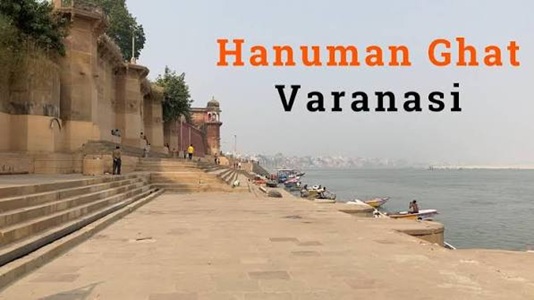
Chet Singh Ghat Varanasi is one of those ghats where the Ganga does not only look spiritual — it also looks royal, dramatic and historical. As you walk along the riverfront, the tall fort-like structure near the ghat immediately catches attention. The stone walls, old balconies, river steps and quiet surroundings create a completely different mood from the crowded energy of Dashashwamedh Ghat or the youthful vibe of Assi Ghat. This is a place where Banaras shows its political past along with its sacred soul.
For Indian travellers, Chet Singh Ghat matters because it gives a deeper experience of Varanasi. Many people visit Kashi only for temple darshan, Ganga Aarti and boat rides, but places like Chet Singh Ghat tell you that Varanasi was also a city of kings, conflicts, forts and changing power. It is a good stop for history lovers, photographers, slow travellers and families who want to explore the quieter side of the ghats. This guide explains Chet Singh Ghat’s history, location, timings, best time to visit and practical travel tips in simple English.
Quick Overview of Chet Singh Ghat Varanasi
| Details | Information |
| Place Name | Chet Singh Ghat Varanasi |
| Location | Varanasi, Uttar Pradesh |
| River | Ganga River |
| Famous For | Chet Singh Fort, royal history, river views, peaceful atmosphere and photography |
| Historical Link | Raja Chet Singh of Banaras and British-era conflict |
| Nearby Ghats | Shivala Ghat, Kedar Ghat, Harishchandra Ghat, Tulsi Ghat and Assi Ghat |
| Entry Fee | Usually free for general ghat visit |
| General Timings | Open as a public riverfront area |
| Recommended Visiting Hours | Around 5:30 AM to 8:00 PM |
| Best Time of Day | Early morning and late afternoon |
| Best Season to Visit | October to March |
| Ideal Visit Duration | 45 minutes to 1.5 hours |
| Suitable For | History lovers, photographers, families, culture travellers and peaceful visitors |
| Nearby Places | Assi Ghat, Kashi Vishwanath Temple, Sankat Mochan Temple, Tulsi Manas Temple and Ramnagar Fort |
| Overall Experience | Historic, peaceful, royal, scenic and best for slow exploration |
Chet Singh Ghat History
Chet Singh Ghat is named after Raja Chet Singh, the ruler of Banaras in the 18th century. He is remembered for his connection with one of the important political episodes of British-era India. During the time when the East India Company was expanding its control, Raja Chet Singh came into conflict with Warren Hastings, the then Governor-General.
The conflict was mainly related to demands for money, military support and authority. Raja Chet Singh resisted British pressure, and this led to tension between the Banaras ruler and the Company administration. In 1781, Warren Hastings came to Banaras, and the situation became serious. Chet Singh was placed under pressure, and local resistance followed.
The fort near the ghat became part of this dramatic history. Popular local accounts say that Chet Singh escaped from the fort during the conflict, and the event became an important story in Banaras history. Whether one sees it as a political rebellion, a royal struggle or an early sign of resistance against colonial power, the story gives Chet Singh Ghat a unique identity.
Unlike many ghats that are known mainly for religious rituals, Chet Singh Ghat is remembered for its fort, royal presence and political past. It reminds visitors that Varanasi was not only a holy city but also a place where rulers, colonial officers and local forces shaped history.
Chet Singh Fort and Its Importance
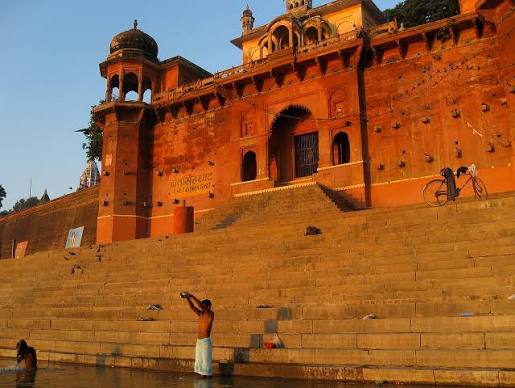
The most striking feature of Chet Singh Ghat is the fort-like palace standing above the river steps. Its architecture gives the ghat a strong and royal look. From the river, the building appears powerful, with high walls and a commanding position over the Ganga.
The fort adds character to the ghat. Many visitors notice it during boat rides and often stop to take photographs. The structure reflects the old princely atmosphere of Banaras, where kings and nobles built palaces, temples and ghats along the river.
At present, access to the inner parts of such old properties may be limited or controlled, depending on ownership and local arrangements. Visitors should enjoy the exterior view from the ghat or from a boat unless entry is clearly allowed. The best way to appreciate the fort is to see it from the river during a morning or evening boat ride.
Chet Singh Ghat Location
Chet Singh Ghat is located in Varanasi, Uttar Pradesh, on the western bank of the Ganga River. It lies in the southern stretch of the main ghats and is close to Shivala Ghat. It is also not very far from Kedar Ghat, Harishchandra Ghat, Tulsi Ghat and Assi Ghat.
The ghat is easier to include if you are exploring the Assi side or walking along the riverfront from Kedar Ghat towards Assi Ghat. It can also be seen beautifully during a boat ride covering the southern ghats of Varanasi.
Like many places in old Varanasi, reaching Chet Singh Ghat may involve walking through narrow lanes or along the ghat steps. Auto-rickshaws and e-rickshaws may drop you near a nearby road point, after which you may need to walk. This is normal in Banaras, where the real charm often begins after leaving the main road.
Chet Singh Ghat Timings
Chet Singh Ghat is a public riverfront area, so it does not have strict opening and closing timings like a museum or ticketed attraction. People generally visit throughout the day for walking, river views, photography and quiet sitting.
A practical visiting window is around 5:30 AM to 8:00 PM. Early morning is best for peaceful views, soft light and less crowd. This is also a good time for photography because the ghat and fort look beautiful in sunrise light.
Late afternoon and early evening are also good for visitors who want relaxed river views. The sunlight becomes softer, the weather improves, and the area feels calm compared to the busier ghats.
Very late-night visits are not recommended for first-time travellers or families. Some lanes may be quiet, and steps can be uneven or slippery. During monsoon or high-water season, lower parts of the ghat may become unsafe or inaccessible.
Best Time to Visit Chet Singh Ghat Varanasi
The best season to visit Chet Singh Ghat is from October to March. During these months, Varanasi’s weather is comfortable for walking, boating, temple visits and photography. Winter mornings can feel cool, but the calm river atmosphere makes the visit memorable.
Early morning is the best time if you want a peaceful and historic feel. The Ganga looks calm, boat movement begins slowly, and the fort-like structure appears beautiful in soft light.
Late afternoon is better for families and casual travellers. You can include Chet Singh Ghat with nearby places like Assi Ghat, Tulsi Ghat or Kedar Ghat. Sunset time is also good for photography from the river.
Summer afternoons should be avoided because Varanasi can become very hot. During monsoon, the Ganga water level may rise, so visitors should avoid going too close to the lower steps and follow local safety instructions.
Why Chet Singh Ghat Is Famous
Chet Singh Ghat is famous because of its strong historical identity. Its connection with Raja Chet Singh and the British-era conflict makes it different from many other ghats of Varanasi.
The ghat is also famous for the impressive Chet Singh Fort. The fort gives the riverfront a royal and dramatic appearance, especially when viewed from a boat. It is one of the most photogenic historical structures along the Ganga in Varanasi.
Another reason people like this ghat is its peaceful atmosphere. It is not usually as crowded as Dashashwamedh Ghat or Assi Ghat, so visitors can spend quieter time here while still enjoying the beauty of the Ganga.
Things to Do at Chet Singh Ghat Varanasi
1. See Chet Singh Fort from the Ghat
The fort is the main attraction here. Stand at a safe point and observe its old architecture, walls and river-facing structure. It gives a strong royal feel to the ghat.
2. Take a Boat Ride
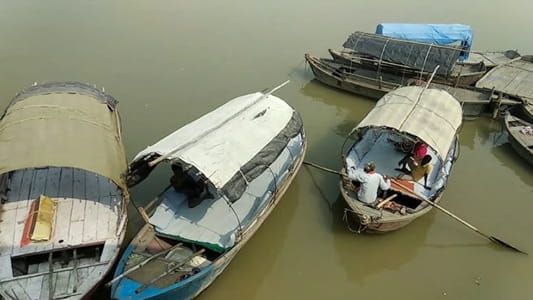
A boat ride is one of the best ways to see Chet Singh Ghat. From the river, the fort and ghat look more impressive. Morning boat rides are especially beautiful.
3. Enjoy Peaceful Ganga Views
Chet Singh Ghat is suitable for visitors who want quiet time by the Ganga. Sit for a few minutes, watch the boats and enjoy the calmer side of Varanasi.
4. Walk Towards Nearby Ghats
You can walk along the riverfront towards Shivala Ghat, Kedar Ghat, Harishchandra Ghat, Tulsi Ghat or Assi Ghat, depending on time and water level.
5. Click Heritage Photos
The ghat is excellent for heritage photography. The fort, river steps, boats and old Banaras backdrop create strong frames. Take photos respectfully and avoid disturbing people during rituals.
How to Reach Chet Singh Ghat Varanasi
Chet Singh Ghat can be reached by auto-rickshaw, e-rickshaw, cab, boat or walking through nearby ghats. If you are staying near Assi, Lanka, Sonarpura or Godowlia side, local transport is available up to nearby road points.
From Varanasi Junction railway station, take an auto or cab towards the southern ghat area or Shivala side. From the airport, a cab is the most convenient option. Travel time depends on traffic.
If you are already exploring the ghats, walking or boating is the best way to include Chet Singh Ghat. Boatmen usually know the ghat well because the fort is a visible landmark.
Nearby Places to Visit Around Chet Singh Ghat
1. Assi Ghat
Assi Ghat is one of the most popular ghats in Varanasi and is known for sunrise views, Subah-e-Banaras and a relaxed atmosphere.
2. Kedar Ghat
Kedar Ghat is close by and is known for Kedareshwar Mahadev Temple, colourful steps and a peaceful devotional mood.
3. Tulsi Ghat
Tulsi Ghat is associated with Goswami Tulsidas and is a good place for visitors interested in literature, Ram bhakti and calm river views.
4. Harishchandra Ghat
Harishchandra Ghat is an important cremation ghat. Visit respectfully and avoid photography of private rituals.
5. Sankat Mochan Temple
Sankat Mochan Hanuman Temple is one of Varanasi’s most loved temples and can be included if you are exploring the Lanka-Assi side.
Chet Singh Ghat Varanasi Review
Chet Singh Ghat Varanasi is best for travellers who enjoy history, architecture and quieter riverfront places. It does not have the loud activity of the main aarti ghats, but its fort and historical background make it special.
Photographers and history lovers will enjoy it the most. Families can also visit for a short peaceful stop, especially during morning or evening. Facilities may be basic, and access through lanes may require some walking.
Overall, Chet Singh Ghat is a meaningful place for anyone who wants to see a more royal and historical side of Varanasi’s Ganga riverfront.
Useful Travel Tips for Chet Singh Ghat Varanasi
- Visit early morning for the best light and less crowd.
- Take a boat ride for the best view of Chet Singh Fort.
- Wear comfortable footwear because walking on steps is common.
- Avoid very late-night visits if you are unfamiliar with the area.
- Be careful on wet or uneven ghat steps.
- Do not enter private or restricted areas of the fort without permission.
- Avoid going close to the river during monsoon or high-water conditions.
- Keep children close near the steps and water.
- Respect people performing prayers or rituals.
- Do not throw plastic, food packets or flowers into the Ganga.
FAQs
Q1. Where is Chet Singh Ghat located?
A: Chet Singh Ghat is located in Varanasi, Uttar Pradesh, on the banks of the Ganga River. It is close to Shivala Ghat and lies in the southern stretch of the main Varanasi ghats.
Q2. Why is Chet Singh Ghat famous?
A: Chet Singh Ghat is famous for Chet Singh Fort and its connection with Raja Chet Singh’s conflict with the British during the 18th century. It is also known for peaceful river views and heritage photography.
Q3. What is the best time to visit Chet Singh Ghat?
A: The best time to visit Chet Singh Ghat is early morning or late afternoon. October to March is the most comfortable season for walking, boating, photography and exploring nearby ghats.
Q4. Is there any entry fee for Chet Singh Ghat?
A: No, there is usually no entry fee for visiting Chet Singh Ghat as it is a public riverfront area. However, boat rides, local transport, parking or any guided services may have separate charges.