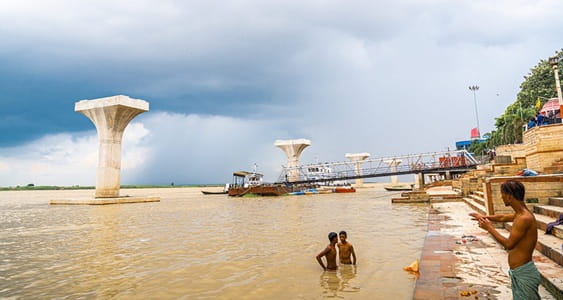
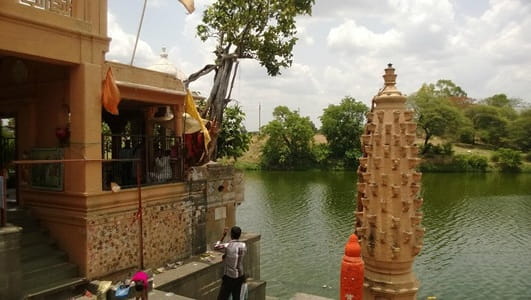
Siddhavat Ghat in Ganesh Nagar, Ujjain is not just another riverfront spot where people come for a quick visit and leave. It carries a deeper spiritual weight. The calm flow of the Shipra River, the sacred banyan tree, priests performing rituals, families offering prayers for ancestors and devotees sitting quietly near the steps together create an atmosphere that feels serious, peaceful and powerful. This is the kind of place where people come not only for sightseeing, but also for faith, remembrance and emotional closure.
For Indian travellers, Siddhavat Ghat matters because it is closely connected with Ujjain’s ancient religious identity. Ujjain is already famous for Mahakaleshwar Jyotirlinga, Kaal Bhairav Temple, Ram Ghat and Simhastha Kumbh, but Siddhavat Ghat has its own special place, especially for pitru rituals, pind daan, kaal sarp dosh puja and spiritual prayers. If you are planning a visit to Ujjain and want to understand the city beyond its most crowded temples, Siddhavat Ghat in the Ganesh Nagar area is a meaningful stop.
Quick Overview of Siddhavat Ghat Ganesh Nagar
| Details | Information |
| Place Name | Siddhavat Ghat |
| Location | Ganesh Nagar / Siddhavat area, Ujjain, Madhya Pradesh |
| River | Shipra River |
| Famous For | Sacred banyan tree, pitru rituals, pind daan, kaal sarp puja, spiritual prayers and peaceful riverfront |
| Main Spiritual Link | Siddhavat Temple and sacred vat tree |
| Entry Fee | Usually free for general visit |
| Ritual Charges | Vary depending on puja type and priest arrangement |
| General Timings | Public ghat area, usually accessible during daytime |
| Recommended Visiting Hours | Around 5:30 AM to 8:00 PM |
| Best Time of Day | Early morning |
| Best Season to Visit | October to March |
| Ideal Visit Duration | 1 to 2 hours; more if performing rituals |
| Suitable For | Devotees, families, senior citizens, spiritual travellers and people performing ancestor rituals |
| Nearby Places | Mahakaleshwar Temple, Kaal Bhairav Temple, Ram Ghat, Mangalnath Temple and Bhartrihari Caves |
| Overall Experience | Sacred, calm, serious, traditional and spiritually important |
Siddhavat Ghat History
Siddhavat Ghat has a strong connection with Ujjain’s old spiritual traditions. Ujjain, also known as Avantika, has been one of India’s most sacred cities for centuries. It is counted among the important Hindu pilgrimage cities and is deeply associated with Lord Shiva, the Shipra River, astrology, ancient learning and religious rituals.
The word “Siddhavat” is linked with the sacred banyan tree, or “vat vriksha,” located in this area. In Hindu tradition, certain ancient trees are considered highly sacred because they are believed to carry spiritual energy and blessings. Siddhavat is one such revered place in Ujjain. Devotees believe that prayers and rituals performed here bring peace to ancestors and remove certain spiritual obstacles.
Siddhavat is often compared with other sacred vat trees in India, such as Akshayavat in Prayagraj and Vat Vriksha traditions connected with holy places. Because of this, it is considered highly significant for pitru karya, pind daan and other rituals performed for departed souls.
Historically, the ghats of Ujjain developed along the Shipra River because the river has always been central to the city’s religious life. During festivals, Kumbh events and special bathing dates, devotees gather on the riverbanks for snan, puja and offerings. Siddhavat Ghat became important because it combined river worship with the sacred presence of the Siddhavat tree.
Even today, the ghat continues to be visited by families who come with serious devotional purposes. It is not a place of loud entertainment. Its history lives through rituals, prayers, faith and the continued belief of generations.
Siddhavat Ghat Location
Siddhavat Ghat is located in Ujjain, Madhya Pradesh, around the Ganesh Nagar and Siddhavat area, near the banks of the Shipra River. It is generally associated with the quieter side of Ujjain, away from the heavy crowd of Mahakaleshwar Temple and Ram Ghat.
The location is useful for people who want to include Siddhavat Ghat with other important spiritual places of Ujjain. It is not very far from famous attractions like Kaal Bhairav Temple, Mangalnath Temple, Bhartrihari Caves and Ram Ghat, depending on your route.
Since Ujjain has many old lanes, temple areas and local routes, first-time visitors should search clearly for “Siddhavat Ghat Ujjain” or “Siddhavat Temple Ganesh Nagar” on maps. Local auto-rickshaw drivers usually know the place, especially if you mention pitru puja or Siddhavat.
The ghat area has a traditional religious atmosphere. You may find priests, devotees, puja items, river steps, small temple structures and families performing rituals. It is better to visit with a respectful mindset and not treat it like a casual picnic spot.
Siddhavat Ghat Timings
Siddhavat Ghat is generally a public riverfront area, so it does not have strict opening and closing timings like a ticketed monument. However, because it is mainly visited for religious purposes, daytime hours are best.
A practical visiting window is around 5:30 AM to 8:00 PM. Early morning is considered the best time for puja, peaceful river darshan and rituals. The atmosphere is calm, the weather is better, and priests are usually available for religious ceremonies.
If you are planning a specific ritual such as pind daan, pitru shanti or kaal sarp dosh puja, it is better to visit in the morning after confirming with a local priest. Some rituals may require specific tithi, muhurat or preparation.
Late evening visits are possible for general darshan, but very late-night visits are not recommended for families or first-time travellers. During festivals or special religious dates, timings and crowd movement may change according to local arrangements.
Best Time to Visit Siddhavat Ghat Ujjain
The best season to visit Siddhavat Ghat is from October to March. During these months, the weather in Ujjain is more comfortable for temple visits, walking, river darshan and performing rituals. Winter mornings may feel slightly cold, but the spiritual calm of the ghat makes the visit meaningful.
Early morning is the best time of day. If your purpose is religious, morning hours are more suitable because the atmosphere feels pure and less crowded. Devotees can complete puja peacefully and then visit nearby temples.
The period of Pitru Paksha is especially important for people who want to perform rituals for ancestors. During this time, the ghat may become busier as many families come for pind daan and related ceremonies. If you plan to visit during Pitru Paksha, reach early and keep extra time.
Summer afternoons should be avoided because Ujjain can become hot. Monsoon gives the Shipra River a fuller look, but steps may be slippery and water levels can rise. Visitors should be careful near the river during rainy months.
Why Siddhavat Ghat Is Famous
Siddhavat Ghat is famous for its sacred banyan tree and its importance in ancestor-related rituals. Many devotees believe that pind daan and pitru puja performed here help bring peace to departed souls.
The ghat is also known for kaal sarp dosh puja and other spiritual remedies. People who follow astrology often visit Ujjain for such rituals because the city has a strong connection with Jyotish traditions and sacred temples.
Another reason for its popularity is its peaceful location on the Shipra River. Compared to Ram Ghat, Siddhavat Ghat feels more ritual-focused and less touristy. This makes it suitable for people who want a serious and devotional experience.
Things to Do at Siddhavat Ghat
1. Take Darshan of Siddhavat
The sacred Siddhavat tree is the main spiritual attraction here. Devotees offer prayers and seek blessings with faith and humility.
2. Perform Pitru Puja or Pind Daan
Many families visit Siddhavat Ghat for ancestor rituals. If you plan to perform puja, discuss the process, time and charges clearly with a priest before beginning.
3. Spend Quiet Time Near the Shipra River
After darshan or puja, sit quietly near the river for a few minutes. The calm environment helps visitors feel peaceful and grounded.
4. Visit Nearby Temples
Siddhavat Ghat can be included with Kaal Bhairav Temple, Mangalnath Temple, Mahakaleshwar Temple and Ram Ghat for a complete Ujjain spiritual trip.
5. Learn Local Religious Significance
If you are interested in Ujjain’s traditions, speak respectfully with local priests or guides. They can explain why Siddhavat is important for pitru rituals and spiritual practices.
How to Reach Siddhavat Ghat Ganesh Nagar
Siddhavat Ghat is easy to reach from different parts of Ujjain by auto-rickshaw, e-rickshaw, cab or private vehicle. From Ujjain railway station, local transport is usually available towards the Siddhavat or Ganesh Nagar side.
If you are coming from Mahakaleshwar Temple, you can hire an auto or cab and include Siddhavat Ghat with Kaal Bhairav Temple or Mangalnath Temple. This route works well for a half-day spiritual tour.
For visitors coming from Indore, Ujjain is well connected by road and rail. After reaching Ujjain, local transport is the easiest way to reach the ghat.
Nearby Places to Visit Around Siddhavat Ghat
1. Mahakaleshwar Temple
Mahakaleshwar Jyotirlinga is the most famous temple in Ujjain and should be included in every spiritual itinerary.
2. Kaal Bhairav Temple
Kaal Bhairav Temple is one of Ujjain’s most powerful and unique temples, located not very far from the Siddhavat side.
3. Ram Ghat
Ram Ghat is one of the main ghats of Ujjain and is famous for Shipra aarti, holy bathing and Simhastha Kumbh importance.
4. Mangalnath Temple
Mangalnath Temple is important for astrology-related worship and is often visited by devotees performing planetary dosh puja.
5. Bhartrihari Caves
Bhartrihari Caves are linked with spiritual meditation and are suitable for visitors interested in Ujjain’s saint traditions.
Siddhavat Ghat Review
Siddhavat Ghat Ganesh Nagar is best for people who want a serious, peaceful and spiritual experience in Ujjain. It is not a commercial tourist attraction with entertainment activities. Its real value lies in faith, rituals and the sacred atmosphere of the Shipra River.
Families visiting for pitru puja, devotees interested in Ujjain’s religious circuit and travellers looking for a quieter spiritual place will find it meaningful. Facilities may be basic, and ritual arrangements should be handled carefully with clear communication.
Overall, Siddhavat Ghat is one of the important places in Ujjain for those who want to understand the city’s deeper spiritual side beyond the main temple crowd.
Useful Travel Tips for Siddhavat Ghat
- Visit early morning for peace and proper ritual arrangements.
- Confirm puja process and charges before starting any ceremony.
- Carry basic puja items only after checking what is needed.
- Wear modest and comfortable clothes.
- Be careful on wet or uneven river steps.
- Keep children and senior citizens close near the water.
- Avoid throwing plastic, flowers or food waste into the Shipra River.
- Carry cash for offerings, transport and small expenses.
- Plan extra time during Pitru Paksha and festival days.
- Combine Siddhavat Ghat with Kaal Bhairav Temple and Mangalnath Temple for a better route.
FAQs
Q1. Where is Siddhavat Ghat located?
Siddhavat Ghat is located in Ujjain, Madhya Pradesh, around the Ganesh Nagar and Siddhavat area near the Shipra River. It is an important spiritual place in Ujjain.
Q2. Why is Siddhavat Ghat famous?
Siddhavat Ghat is famous for the sacred Siddhavat banyan tree, pitru puja, pind daan, kaal sarp dosh puja and peaceful Shipra River atmosphere.
Q3. What is the best time to visit Siddhavat Ghat?
The best time to visit Siddhavat Ghat is early morning. October to March is the most comfortable season, while Pitru Paksha is especially important for ancestor-related rituals.
Q4. Is there any entry fee for Siddhavat Ghat?
No, there is usually no entry fee for general visit. However, puja, pind daan, kaal sarp dosh rituals, offerings, local transport and priest services may have separate charges.