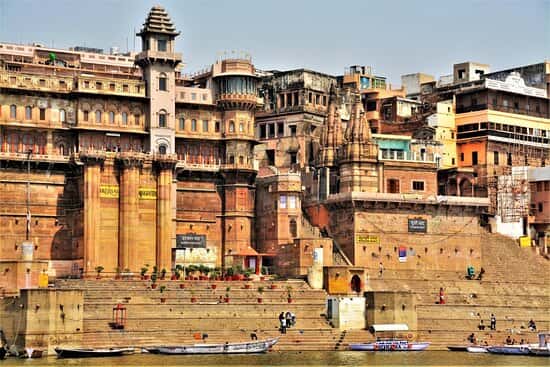
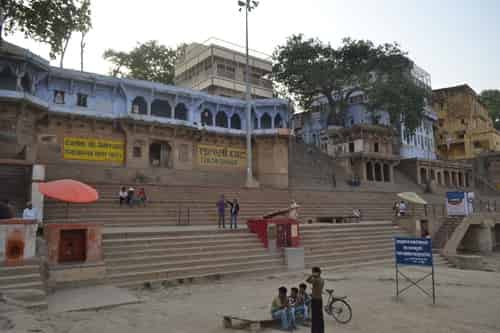
Tulsi Ghat Varanasi is one of those places where Kashi feels poetic, devotional and quietly powerful. While Dashashwamedh Ghat attracts crowds for the grand Ganga Aarti and Assi Ghat gives a lively traveller-friendly vibe, Tulsi Ghat has its own softer charm. Here, the Ganga flows beside old stone steps, temples, akharas, local homes and stories linked with Goswami Tulsidas, the saint-poet who gave India the beloved Ramcharitmanas. The atmosphere is calm, traditional and deeply connected with Ram bhakti.
For Indian travellers, Tulsi Ghat matters because it gives a meaningful experience without the heavy rush of the busiest ghats. It is a good place for people who want to understand Varanasi beyond the usual tourist photos. Devotees come here for faith, readers and history lovers come for the Tulsidas connection, photographers enjoy the old-world riverfront, and families can include it easily while visiting Assi Ghat, Sankat Mochan Temple, BHU and Kashi Vishwanath Temple. This guide explains Tulsi Ghat’s history, location, timings, best time to visit and useful travel tips in simple English.
Quick Overview of Tulsi Ghat Varanasi
| Details | Information |
| Place Name | Tulsi Ghat Varanasi |
| Location | Varanasi, Uttar Pradesh |
| River | Ganga River |
| Named After | Goswami Tulsidas |
| Famous For | Tulsidas connection, Ram bhakti, peaceful river views, old temples, cultural events and Nag Nathaiya festival |
| Nearby Ghats | Assi Ghat, Bhadaini Ghat, Kedar Ghat and other southern ghats |
| Entry Fee | Usually free for general visit |
| General Timings | Open as a public riverfront area |
| Recommended Visiting Hours | Around 5:30 AM to 8:30 PM |
| Best Time of Day | Early morning and evening |
| Best Season to Visit | October to March |
| Ideal Visit Duration | 45 minutes to 1.5 hours |
| Suitable For | Devotees, families, culture lovers, photographers, students and peaceful travellers |
| Nearby Places | Assi Ghat, Sankat Mochan Temple, Tulsi Manas Temple, BHU and Kashi Vishwanath Temple |
| Overall Experience | Spiritual, calm, historic, poetic and best for slow exploration |
Tulsi Ghat Varanasi History
Tulsi Ghat has a strong connection with Goswami Tulsidas, one of the greatest saint-poets of India. He is best known for composing the Ramcharitmanas, the popular Awadhi retelling of the Ramayana that brought the story of Lord Ram close to common people. Because of this association, Tulsi Ghat is not just a riverside stepway; it is seen as a place of devotion, literature and cultural memory.
The ghat is believed to be the place where Tulsidas spent time in Varanasi and continued his spiritual and literary work. Many local traditions connect this area with his devotion to Lord Ram and Hanuman. For devotees, standing at Tulsi Ghat is like touching a part of India’s Bhakti movement history.
Tulsi Ghat was earlier associated with the old riverfront traditions of Kashi and later became known by the name of Tulsidas. The ghat has also been linked with religious gatherings, akhara culture, temples and festivals. One of the most famous events connected with this area is Nag Nathaiya, a traditional celebration based on Lord Krishna’s victory over the serpent Kaliya. During this festival, the ghat becomes lively with devotees and cultural energy.
Over the years, Tulsi Ghat has remained less commercial compared to some central ghats. This has helped preserve its quieter, old-Banaras atmosphere. It continues to attract people who are looking for faith, peace and a deeper connection with Varanasi’s spiritual heritage.
Tulsi Ghat Location
Tulsi Ghat is located in Varanasi, Uttar Pradesh, on the banks of the Ganga River. It lies in the southern part of the main ghat stretch, close to Assi Ghat and Bhadaini Ghat. This makes it easy to include in a walking route if you are exploring the Assi side of Varanasi.
The location is especially convenient for visitors staying near Assi, Lanka, BHU or Sonarpura. From Assi Ghat, Tulsi Ghat can usually be reached by a short walk along the riverfront, depending on water level and access conditions. It is also reachable by local transport through nearby lanes.
Tulsi Ghat is not as heavily crowded as Dashashwamedh Ghat, so many travellers prefer it for a quieter riverside pause. However, during festivals and special events, the area can become crowded, so planning is useful.
Tulsi Ghat Timings
Tulsi Ghat is a public riverfront area, so it does not have strict opening and closing timings like a ticketed monument. People visit throughout the day for river darshan, prayer, walking and peaceful sitting.
A practical visiting window is around 5:30 AM to 8:30 PM. Early morning is the best time for silence, fresh air and soft Ganga views. You can watch the river slowly brighten, see locals beginning their day and enjoy the ghat before crowds increase.
Evening is also pleasant, especially if you want a calm riverside experience after visiting nearby temples or Assi Ghat. The light becomes gentle, the weather improves, and the ghat feels peaceful.
Very late-night visits are not recommended for first-time travellers or families. Some lanes may become quieter, and riverfront steps can be uneven or slippery. During monsoon, lower steps may be covered by rising Ganga water, so visitors should be careful.
Best Time to Visit Tulsi Ghat Varanasi
The best season to visit Tulsi Ghat is from October to March. During these months, the weather in Varanasi is more comfortable for walking, boating, temple visits and photography. Winter mornings may feel cool, but the calm river atmosphere makes the experience beautiful.
Early morning is ideal if you want a peaceful and spiritual visit. The ghat looks soft in sunrise light, and the surrounding area feels calm. This is also a good time for photography and quiet prayer.
Late afternoon to early evening is better for families and casual travellers. You can combine Tulsi Ghat with Assi Ghat, Tulsi Manas Temple or Sankat Mochan Temple and then spend some time near the Ganga.
Summer afternoons should be avoided because Varanasi can become very hot. During monsoon, the river looks powerful, but water levels may rise and walking along lower steps can be difficult. Always follow local safety advice during high-water periods.
Why Tulsi Ghat Is Famous
Tulsi Ghat is famous mainly because of its association with Goswami Tulsidas. For devotees of Lord Ram, the ghat holds emotional and spiritual importance. It connects visitors with the memory of a saint whose work shaped religious life across North India.
The ghat is also known for its peaceful atmosphere. It is close to Assi Ghat but usually feels less crowded, which makes it suitable for visitors who want quiet time by the Ganga.
Another important reason for its fame is cultural tradition. The Nag Nathaiya festival near Tulsi Ghat attracts many devotees and showcases the living heritage of Varanasi. The ghat is also linked with music, akhara traditions and old Kashi life.
Things to Do at Tulsi Ghat Varanasi
1. Spend Quiet Time by the Ganga
The best thing to do at Tulsi Ghat is to sit peacefully and watch the Ganga. Unlike very busy ghats, this place allows you to slow down and feel the spiritual calm of Kashi.
2. Remember Goswami Tulsidas
If you are interested in Ram bhakti, literature or Indian devotional history, Tulsi Ghat becomes especially meaningful. Spend a few minutes understanding its connection with Tulsidas and the Ramcharitmanas tradition.
3. Walk Towards Assi Ghat
Assi Ghat is very close and can be reached easily from Tulsi Ghat. You can enjoy a slow riverside walk and experience two different moods of Varanasi in one visit.
4. Attend Local Cultural Events
If your visit matches a festival or local event, Tulsi Ghat can become very lively. Nag Nathaiya is the most famous celebration associated with this area.
5. Click Peaceful River Photos
Tulsi Ghat is good for photography, especially in morning and evening light. The old steps, boats, temples and river views create natural frames. Take photos respectfully and avoid disturbing people during prayer or bathing.
6. Visit Nearby Temples
Tulsi Manas Temple, Sankat Mochan Temple and other religious places near the Assi-Lanka side can be included with Tulsi Ghat for a complete devotional route.
How to Reach Tulsi Ghat Varanasi
Tulsi Ghat can be reached by auto-rickshaw, e-rickshaw, cab, boat or on foot depending on your starting point. If you are staying near Assi Ghat, walking is one of the easiest ways to reach it.
From Varanasi Junction railway station, you can take local transport towards Assi, Bhadaini or Lanka side and then walk to the ghat. From Lal Bahadur Shastri International Airport, a cab is the most convenient option.
If you are already exploring the ghats by boat, ask the boatman to show Tulsi Ghat along the southern ghat stretch. Boat rides are especially enjoyable in the morning.
During festivals, traffic near Assi and Lanka side can become slow, so keep extra time.
Nearby Places to Visit Around Tulsi Ghat
1. Assi Ghat
Assi Ghat is one of the most popular ghats in Varanasi and is known for sunrise views, Subah-e-Banaras, cafes and a relaxed atmosphere.
2. Tulsi Manas Temple
Tulsi Manas Temple is dedicated to Lord Ram and is closely connected with the memory of Goswami Tulsidas. It is a meaningful stop after visiting Tulsi Ghat.
3. Sankat Mochan Temple
Sankat Mochan Hanuman Temple is one of Varanasi’s most loved temples and is located near the Lanka side.
4. Banaras Hindu University
BHU is known for its large campus and New Vishwanath Temple. It can be included in the same route.
5. Kashi Vishwanath Temple
Kashi Vishwanath Temple is the most important Shiva temple in Varanasi and can be visited separately as part of a full spiritual itinerary.
Tulsi Ghat Varanasi Review
Tulsi Ghat Varanasi is best for travellers who enjoy peaceful, meaningful and less crowded places. It may not have the grand public energy of Dashashwamedh Ghat, but it offers something more personal — a quiet connection with the Ganga and the devotional memory of Tulsidas.
Families, solo travellers, devotees and photographers can all enjoy this ghat if they visit at the right time. Morning and evening are the most rewarding. The area is simple, so do not expect luxury facilities or a highly polished tourist setup.
Overall, Tulsi Ghat is a beautiful place for slow travellers who want to experience the spiritual and literary soul of Varanasi.
Useful Travel Tips for Tulsi Ghat Varanasi
- Visit early morning for peace, photography and fresh air.
- Combine the visit with Assi Ghat and Tulsi Manas Temple.
- Wear comfortable footwear because walking on steps and lanes is common.
- Be careful on wet or uneven ghat steps.
- Avoid going close to the river during monsoon or high-water days.
- Respect people performing rituals, bathing or prayer.
- Do not throw plastic, flowers or food waste into the Ganga.
- Confirm boat ride charges before boarding.
- Keep valuables safe in crowded areas during festivals.
- Visit with patience, because the beauty of Tulsi Ghat is in its calm atmosphere.
FAQs
Q1. Where is Tulsi Ghat located?
Tulsi Ghat is located in Varanasi, Uttar Pradesh, on the banks of the Ganga River. It is close to Assi Ghat and is easily accessible from the Assi, Lanka and BHU side of the city.
Q2. Why is Tulsi Ghat famous?
Tulsi Ghat is famous for its association with Goswami Tulsidas, the saint-poet of Ramcharitmanas. It is also known for peaceful Ganga views, cultural traditions and the Nag Nathaiya festival.
Q3. What is the best time to visit Tulsi Ghat?
The best time to visit Tulsi Ghat is early morning or late afternoon. October to March is the most comfortable season for walking, photography, temple visits and spending peaceful time near the Ganga.
Q4. Is there any entry fee for Tulsi Ghat Varanasi?
No, there is usually no entry fee for visiting Tulsi Ghat. It is a public riverfront area. However, boat rides, local transport, offerings, parking or nearby services may have separate charges.