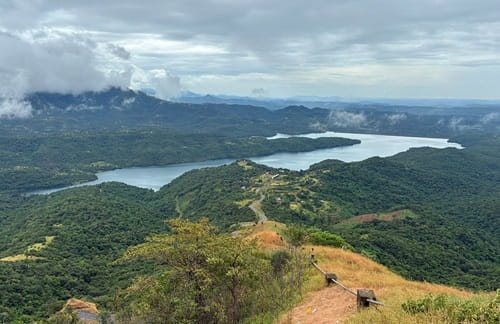
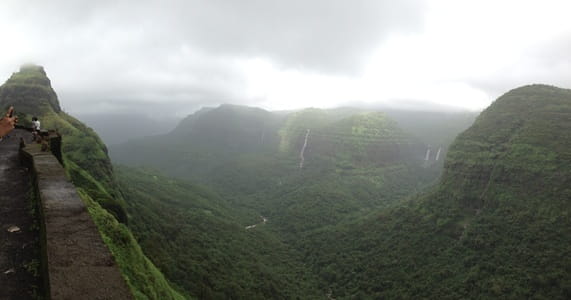
Varandha Ghat Maharashtra is one of those road-trip routes where the Sahyadri hills slowly take control of your mood. The road begins to twist through green slopes, deep valleys, forest patches and misty curves, and suddenly the journey feels much more exciting than the destination. During monsoon, the entire ghat becomes dramatic — waterfalls rush down the rocks, clouds cover the road, and the valley views look fresh, wild and powerful.
For Indian travellers, Varandha Ghat matters because it is a beautiful connecting route between the Pune side and the Konkan region. People travelling from Pune, Bhor, Mahad or nearby areas often use this route for road trips, nature drives and monsoon outings. It is especially loved by bikers, photographers, weekend travellers and people who enjoy raw Western Ghats scenery without too much commercial crowd. But because the route has sharp turns, heavy rain, fog, landslide-prone sections and limited facilities in some stretches, planning is important. This guide explains Varandha Ghat’s history, location, timings, best time to visit and useful travel tips in simple English.
Quick Overview of Varandha Ghat Maharashtra
| Details | Information |
| Place Name | Varandha Ghat Maharashtra |
| Location | Between Bhor side of Pune district and Mahad side of Raigad district, Maharashtra |
| Region | Sahyadri / Western Ghats |
| Famous For | Scenic drive, mist, waterfalls, valleys, forest views and monsoon beauty |
| Route Importance | Connects Pune region with Konkan side |
| Entry Fee | No general entry fee for the ghat road |
| General Timings | Open as a public road route, depending on road and weather conditions |
| Recommended Visiting Hours | Around 6:00 AM to 6:30 PM |
| Best Time of Day | Morning and late afternoon |
| Best Season to Visit | July to February |
| Most Beautiful Time | Monsoon and post-monsoon |
| Ideal Visit Duration | 2 to 4 hours, depending on stops |
| Suitable For | Bikers, families, photographers, road-trippers and nature lovers |
| Nearby Places | Bhor, Mahad, Shivthar Ghal, Nira-Deoghar Dam region and Konkan route |
| Overall Experience | Scenic, misty, adventurous, peaceful and best enjoyed with careful driving |
Varandha Ghat Maharashtra History
Varandha Ghat has long been part of the travel connection between the Deccan plateau and the Konkan coast. In Maharashtra, ghat routes have always been important because they helped people cross the difficult Sahyadri mountain belt. Before modern highways became common, such routes were used by local villagers, traders, farmers, pilgrims and travellers moving between hill regions and coastal settlements.
The wider region around Varandha Ghat has strong historical and cultural importance. The Pune side, especially around Bhor, has old links with Maratha history and local princely rule. The Konkan side near Mahad also has historical value because it was an important region for movement, trade and social life. Routes through the ghats helped connect these areas for generations.
Varandha Ghat also lies close to Shivthar Ghal, a sacred and historic place associated with Samarth Ramdas Swami, the spiritual guide of Chhatrapati Shivaji Maharaj. Because of this, the region around the ghat is not only naturally beautiful but also culturally meaningful for people interested in Maharashtra’s spiritual and historical heritage.
Over time, Varandha Ghat became popular among road-trip lovers because of its dramatic views. The deep valleys, misty curves, waterfalls and forested slopes made the route a favourite, especially during monsoon. Today, it is known as one of the scenic ghat drives near Pune and Konkan.
Varandha Ghat Maharashtra Location
Varandha Ghat is located in Maharashtra’s Western Ghats, mainly on the route connecting Bhor in Pune district with Mahad in Raigad district. It serves as a mountain pass between the inland plateau region and the Konkan belt.
From Pune side, travellers usually move towards Bhor and then continue towards Varandha Ghat. From the Konkan side, Mahad is one of the important access points. Because of this location, Varandha Ghat is useful for people travelling from Pune to Mahad, Raigad, Konkan villages or coastal routes.
The ghat is not a single tourist point with a ticket counter or entrance gate. The entire road stretch is the attraction. You get views of valleys, hill curves, green slopes, seasonal waterfalls and peaceful countryside. The beauty is best enjoyed slowly, with safe stops at wide and suitable points.
Varandha Ghat Timings
Varandha Ghat is a public road route, so it does not have fixed tourist timings like a fort, garden or museum. Vehicles may pass through depending on road conditions, weather and any official restrictions. However, for sightseeing and safe travel, daylight hours are strongly recommended.
A practical visiting window is around 6:00 AM to 6:30 PM. Morning is best because visibility is better, traffic is usually lighter, and the air feels fresh. Late afternoon can also be beautiful, especially for photography and soft valley views.
Night travel is not recommended for casual visitors. The road has curves, slopes, narrow sections, forest patches and possible fog. During monsoon, rain and low visibility can make the route more difficult. Sometimes, due to landslides, road repair work or heavy rain warnings, movement may be restricted. So, always check local road conditions before planning a rainy-season trip.
Best Time to Visit Varandha Ghat Maharashtra
The best time to visit Varandha Ghat is from July to February. The experience changes with the season, but monsoon and post-monsoon are the most attractive periods.
July to September is the most scenic time. The entire ghat becomes green, waterfalls appear along the slopes, clouds cover the hills, and the route feels fresh and dramatic. This is the favourite season for photographers and bikers. However, monsoon also requires maximum caution. Roads can become slippery, fog can reduce visibility, and stopping near waterfalls or valley edges can be risky.
October to February is better for families and relaxed travellers. The greenery remains pleasant after the rains, the weather is cooler, and road travel is usually more comfortable. This period is ideal for people who want beauty without heavy rain disturbance.
Summer is less preferred because the hills may look drier, and the heat can reduce the charm. Still, early morning drives can be enjoyable if you are already travelling through the route.
Why Varandha Ghat Is Famous
Varandha Ghat is famous for its scenic Western Ghats road experience. It offers deep valley views, green hills, misty roads, waterfalls and a peaceful driving atmosphere. Unlike some highly commercial hill stations, Varandha feels raw and natural.
The ghat is also popular among bikers and road-trip lovers from Pune and nearby areas. The curves, changing weather and open views make the ride exciting, especially during monsoon. For photographers, the route gives many natural frames — clouds, waterfalls, winding roads and wide valleys.
Another reason for its popularity is its location on the Pune-Konkan connection. Travellers heading towards Mahad or nearby Konkan areas often enjoy Varandha Ghat as a beautiful part of the journey.
Things to Do at Varandha Ghat Maharashtra
1. Enjoy the Scenic Drive
The main experience of Varandha Ghat is the drive itself. The road passes through hills, valleys and forest patches. Drive slowly, avoid risky overtaking and enjoy the route without rushing.
2. Watch Monsoon Waterfalls
During monsoon, waterfalls appear at many points along the ghat. They make the route look magical, but visitors should avoid climbing slippery rocks or standing under unstable slopes.
3. Click Nature Photos
Varandha Ghat is excellent for photography. Misty roads, valley views, waterfalls and green hills create beautiful pictures. Morning and post-rain moments are especially good for photos.
4. Visit Shivthar Ghal Nearby
Shivthar Ghal is one of the most important nearby places and is associated with Samarth Ramdas Swami. It can be included in a spiritual and scenic trip around Varandha Ghat.
5. Enjoy a Peaceful Bike Ride
Many bikers enjoy this route because it offers curves, greenery and less commercial crowd. Proper riding gear, controlled speed and weather awareness are very important.
How to Reach Varandha Ghat Maharashtra
Varandha Ghat is best reached by road. From Pune, travellers can move towards Bhor and continue further towards the ghat route. From Mahad side, the route climbs towards the Pune district side through the Sahyadri hills.
Private cars and bikes are the most convenient options because they allow flexible stops. Public transport may be limited and may not be suitable for sightseeing. If travelling with family, it is better to go in a well-maintained vehicle with an experienced driver.
Before starting, check fuel, brakes, tyres, headlights and wipers. Mobile network may be weak in some stretches, so downloading offline maps is useful. During monsoon, also check road closure or weather updates before leaving.
Nearby Places to Visit Around Varandha Ghat
1. Bhor
Bhor is an important town on the Pune side and is commonly used as an access point for Varandha Ghat. The surrounding region has old-town charm and rural landscapes.
2. Mahad
Mahad is an important town on the Konkan side and can be included if you are travelling towards Raigad or coastal Maharashtra.
3. Shivthar Ghal
Shivthar Ghal is a peaceful and spiritually important place connected with Samarth Ramdas Swami. It is one of the best nearby attractions.
4. Nira-Deoghar Dam Region
The dam and surrounding areas near the Bhor side offer scenic views, especially during and after monsoon.
5. Raigad Fort Route
Travellers heading towards Mahad can also plan Raigad Fort in a longer itinerary. It is an important historical place connected with Chhatrapati Shivaji Maharaj.
Varandha Ghat Maharashtra Review
Varandha Ghat Maharashtra is best for travellers who love raw nature, mountain roads and peaceful drives. It is not a polished tourist attraction with cafes, viewpoints and facilities everywhere. Its charm lies in its natural beauty, misty silence and road-trip feel.
Visitors usually enjoy the monsoon views, waterfalls and valley scenery. However, the same monsoon beauty can also make the route risky if travelled carelessly. Road conditions may vary, and facilities like toilets, restaurants and fuel points may be limited in some stretches.
Overall, Varandha Ghat is a beautiful road-trip destination for responsible travellers who enjoy the Sahyadri landscape and are ready to drive carefully.
Useful Travel Tips for Varandha Ghat Maharashtra
- Start early in the morning for better visibility and safer travel.
- Avoid night driving, especially during monsoon or foggy weather.
- Check local road and weather updates before planning a rainy-season trip.
- Drive slowly on curves and avoid risky overtaking.
- Stop only at safe and wide roadside points.
- Carry water, snacks, basic medicines and rain protection.
- Keep enough fuel before entering the ghat section.
- Wear proper shoes if you plan to step out near viewpoints.
- Avoid risky selfies near valley edges or waterfalls.
- Do not litter in forest or roadside areas.
FAQs
Q1. Where is Varandha Ghat located?
Varandha Ghat is located in Maharashtra’s Western Ghats, between the Bhor side of Pune district and the Mahad side of Raigad district. It is commonly used as a scenic route between Pune and the Konkan region.
Q2. What is the best time to visit Varandha Ghat?
The best time to visit Varandha Ghat is from July to February. Monsoon is best for waterfalls, mist and greenery, while October to February is better for safer and more comfortable family travel.
Q3. Is there any entry fee for Varandha Ghat?
No, there is usually no entry fee because Varandha Ghat is a public road route. However, nearby attractions, parking, food stops, local services or travel costs may have separate charges.
Q4. Is Varandha Ghat safe for families?
Yes, Varandha Ghat can be safe for families if visited during daylight and good weather. Families should avoid night driving, heavy-rain days, unsafe roadside stops, slippery waterfall areas and standing close to valley edges.