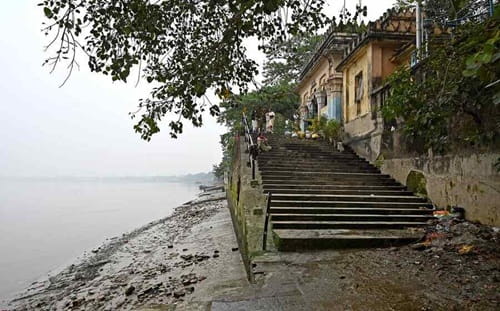
Babu Ghat Kolkata is one of those riverside places where the old charm of the city still feels alive. The Hooghly River flows quietly beside it, ferries move across the water, people arrive for bathing and puja, buses wait nearby, street vendors serve quick snacks, and the old colonial-style structure reminds visitors of Kolkata’s layered past. It is not a polished tourist spot like a modern park, but that is exactly why it feels real. Babu Ghat shows the everyday Kolkata where faith, transport, history and local life meet at one busy riverfront.
For Indian travellers, Babu Ghat is useful in many ways. Some people come here for a peaceful morning by the river, some use the ferry service, some visit during Durga Puja idol immersion or Chhath Puja, while many travellers include it with nearby places like Eden Gardens, Millennium Park, Prinsep Ghat and the Esplanade area. If you enjoy old-city vibes, river views, heritage structures, local food and practical travel experiences, Babu Ghat is worth understanding properly before you visit. This guide explains Babu Ghat Kolkata’s history, location, timings, best time to visit and travel tips in simple English.
Quick Overview of Babu Ghat Kolkata
| Details | Information |
| Place Name | Babu Ghat Kolkata |
| Also Known As | Babughat, Babu Raj Chandra Ghat, Baje Kadamtala Ghat |
| Location | Strand Road, Kolkata, West Bengal |
| River | Hooghly River |
| Famous For | Heritage ghat, ferry services, river views, puja rituals and idol immersion |
| Entry Fee | Free |
| General Timings | Commonly visited from around 5:00 AM to 8:00 PM |
| Best Time of Day | Early morning and evening |
| Best Season to Visit | October to February |
| Ideal Visit Duration | 1 to 2 hours |
| Suitable For | Heritage lovers, pilgrims, photographers, local travellers and city explorers |
| Nearby Places | Eden Gardens, Millennium Park, Prinsep Ghat, Esplanade, Howrah Bridge and BBD Bagh |
| Overall Experience | Historic, busy, local, spiritual and full of old Kolkata character |
Babu Ghat Kolkata History
Babu Ghat is one of the important historic ghats of Kolkata. It was built during the British period and is closely linked with the name of Babu Raj Chandra Das, the husband of Rani Rashmoni. Rani Rashmoni is remembered as one of Bengal’s respected historical personalities and is also associated with the Dakshineswar Kali Temple. Babu Ghat was built in memory of her husband, which gives the place emotional and historical value.
The old structure at Babu Ghat has a colonial architectural style. Its tall pillars and pavilion-like design make it different from many ordinary river ghats. Even though the area has become crowded and busy over time, the structure still reminds visitors of Kolkata’s 19th-century city planning and riverfront culture.
During the old days, ghats along the Hooghly River were extremely important. They were not only used for bathing or religious activities but also for transport, trade and daily movement. Before modern road and rail systems became dominant, river routes played a big role in Kolkata’s life. Babu Ghat became one such important point where people, goods, rituals and city activity came together.
Today, the ghat continues to remain active. It is used by local people for bathing, puja, ferry movement, religious rituals and festival activities. During Durga Puja idol immersion and Chhath Puja, Babu Ghat becomes especially important and crowded.
Babu Ghat Kolkata Location
Babu Ghat is located on Strand Road in Kolkata, West Bengal, along the Hooghly River. It is close to the central part of the city and is well connected with important areas like Esplanade, BBD Bagh, Eden Gardens and Babughat bus terminus.
The location makes it practical for both locals and tourists. People travelling across the river can use ferry services, while visitors exploring central Kolkata can include the ghat in a short heritage and riverfront route. From here, you can also move towards Millennium Park, Prinsep Ghat, Eden Gardens and the Maidan area.
Another advantage is transport connectivity. Babu Ghat has a major bus terminus nearby, and local transport options are usually available. Taxis, app cabs, buses and local vehicles can help you reach the area. However, traffic can be heavy during office hours, festivals and major events.
Babu Ghat Kolkata Timings
Babu Ghat is generally visited from early morning to evening. A practical visiting window is around 5:00 AM to 8:00 PM. Since it is a public riverfront area, it does not function like a ticketed museum or closed tourist attraction. Still, visitors should plan their visit during active and safe hours.
Early morning is common for bathing, prayers, ferry movement and quiet river views. Evening is good for watching the river, enjoying the breeze and exploring the nearby riverside areas. Very late-night visits are not recommended for tourists, especially families and first-time visitors.
During festivals like Durga Puja immersion and Chhath Puja, timings, access routes and crowd management may change. If you are visiting during such periods, expect heavy crowd and follow local instructions.
Best Time to Visit Babu Ghat Kolkata
The best season to visit Babu Ghat Kolkata is from October to February. During these months, Kolkata’s weather is more comfortable for walking, photography and spending time near the river. Winter mornings and evenings are especially pleasant.
The best time of day is early morning if you want a calmer experience. The river looks peaceful, the crowd is lighter, and the city has a softer mood. This time is also suitable for photography and observing local rituals.
Evening is another good time, especially if you want to enjoy the Hooghly breeze and combine Babu Ghat with nearby places like Millennium Park or Prinsep Ghat. However, evening can be crowded because of local movement and transport activity.
Summer afternoons are not very comfortable because Kolkata can be hot and humid. Monsoon can make the riverfront look fresh, but rain may disturb walking and photography plans.
Religious Importance of Babu Ghat Kolkata
Babu Ghat has strong religious value for many local people. Visitors come here for bathing, puja and river offerings. The Hooghly River is considered sacred as a distributary of the Ganga, so rituals performed here carry emotional and devotional importance.
The ghat becomes especially active during Chhath Puja, when devotees gather to offer prayers to the Sun God. During Durga Puja and Saraswati Puja, idol immersion activities also take place in and around the ghat area. These festivals bring colour, devotion, music and heavy crowd to the riverfront.
For travellers, these occasions can be visually powerful but also crowded. If you want to experience the festive side of Babu Ghat, plan carefully. If you prefer a peaceful visit, avoid major festival days.
Things to Do at Babu Ghat Kolkata
1. Enjoy the Hooghly River View
The river is the main attraction of Babu Ghat. You can stand near the riverfront, watch ferries, observe local life and enjoy the old Kolkata atmosphere. The view may feel simple, but it carries strong city character.
2. Take a Ferry Ride
Babu Ghat is connected with river transport, and ferry rides are part of the local experience. A short ferry journey gives you a different view of Kolkata and the Hooghly River. It is also a practical way to understand how many locals use river transport in daily life.
3. Explore the Heritage Structure
The old pavilion-style structure at Babu Ghat is worth noticing. Its pillars and colonial design make it a good subject for heritage photography. The condition of the structure may not look perfectly maintained in all parts, but its historical charm remains strong.
4. Try Local Snacks Nearby
The area around Babu Ghat often has small vendors and food stalls. You may find tea, jhal muri, ghugni, rolls, fruit juice and other quick snacks depending on the time of visit. It is a simple local food experience rather than a luxury dining scene.
5. Walk Towards Nearby Riverfront Spots
If you have time, you can walk or travel towards nearby riverfront places like Millennium Park and Prinsep Ghat. This gives a wider experience of Kolkata’s Hooghly riverfront.
How to Reach Babu Ghat Kolkata
Babu Ghat is easy to reach from different parts of Kolkata. You can use taxis, app cabs, buses or local transport. The Babughat bus terminus nearby makes it a known transport point in the city.
From Howrah Station, Babu Ghat can be reached by road or ferry route depending on your plan. From Esplanade or BBD Bagh, it is quite close and can be reached quickly if traffic is manageable. From Park Street or Maidan area, a cab or local transport can take you there conveniently.
If you are planning to visit during peak office hours or festivals, keep extra time. Roads around central Kolkata can become slow because of traffic, buses and public movement.
Nearby Places to Visit Around Babu Ghat Kolkata
1. Millennium Park
Millennium Park is located along the Hooghly River and is good for a relaxed family outing. It can be easily combined with Babu Ghat.
2. Prinsep Ghat
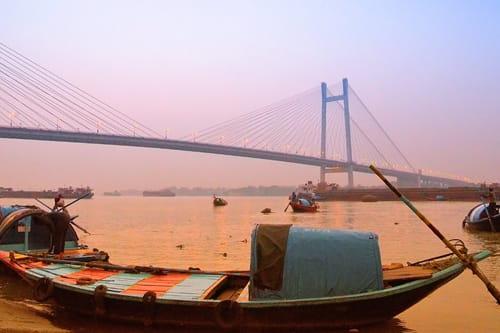
Prinsep Ghat is one of Kolkata’s most photogenic riverfront locations. It is famous for its white monument and Vidyasagar Setu background.
3. Eden Gardens
Eden Gardens, one of India’s most famous cricket stadiums, is not very far from Babu Ghat. Cricket lovers can include it in their route.
4. Esplanade
Esplanade is a major commercial and transport area of Kolkata. It is useful for shopping, food and local connectivity.
5. Howrah Bridge
Howrah Bridge is one of Kolkata’s most iconic landmarks. You can view it from different riverfront points and include it in your city plan.
Babu Ghat Kolkata Review
Babu Ghat Kolkata is best for travellers who enjoy heritage places with real local character. It is not a luxury tourist attraction, and visitors should not expect a perfectly polished environment. The place is busy, old, crowded in parts and deeply connected with everyday Kolkata life.
The best things about Babu Ghat are its history, river view, ferry activity, religious importance and central location. It is useful for photography, short visits, local exploration and understanding Kolkata’s river culture.
Cleanliness and crowd conditions can vary depending on the day and festival season. Visitors should keep belongings safe, avoid littering and stay careful near the river steps.
Useful Travel Tips for Babu Ghat Kolkata
- Visit early morning for a quieter and more local experience.
- Choose evening if you want river breeze and nearby sightseeing.
- Avoid very late-night visits if you are new to the area.
- Wear comfortable footwear because you may need to walk around the riverfront.
- Keep your phone and wallet safe in crowded areas.
- Be careful near the river steps, especially during monsoon.
- During festivals, follow crowd-control instructions and avoid pushing near immersion areas.
- Carry cash for small snacks, local transport or ferry use.
FAQs
Q1. Where is Babu Ghat Kolkata located?
A: Babu Ghat is located on Strand Road in Kolkata, West Bengal, along the Hooghly River. It is close to Esplanade, BBD Bagh, Eden Gardens, Millennium Park and the Babughat bus terminus.
Q2. What is the best time to visit Babu Ghat Kolkata?
A: The best time to visit Babu Ghat is early morning or evening. October to February is the most comfortable season because Kolkata’s weather is pleasant for walking, photography and spending time near the river.
Q3. Is there any entry fee for Babu Ghat Kolkata?
A: No, there is usually no entry fee to visit Babu Ghat. It is a public riverfront area. However, ferry rides, local transport, snacks or any special services may have separate charges.
Q4. Is Babu Ghat good for families?
A: Yes, Babu Ghat can be visited with family, especially during morning or early evening. Families should avoid very crowded festival times if travelling with children or senior citizens and should stay careful near the river steps.