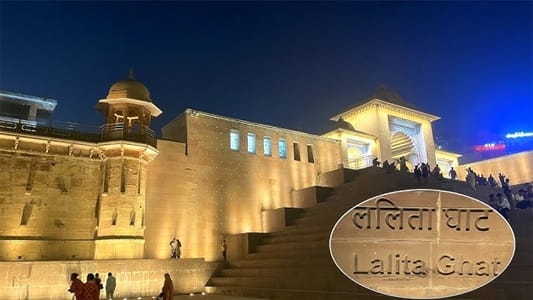
Gau Ghat Haridwar is one of those sacred riverfront places where the Ganga feels personal, peaceful and deeply emotional. While Har Ki Pauri gets most of the attention because of its grand Ganga Aarti, Gau Ghat has its own quiet importance. Devotees come here for prayers, rituals for departed family members, river darshan and peaceful moments near Maa Ganga. The place may not look as dramatic as the busiest ghats, but its spiritual value is strong.
For Indian travellers, Gau Ghat matters because Haridwar is often visited with family, parents or elders for religious reasons. Many people come here not only for sightseeing but also for holy bath, pind daan, asthi visarjan, puja and personal prayers. Gau Ghat is known as a place where people seek peace for ancestors and perform rituals with devotion. If you are planning a Haridwar trip and want to understand more than just the famous Har Ki Pauri experience, Gau Ghat is worth adding to your itinerary. This guide explains Gau Ghat Haridwar’s history, location, timings, best time to visit and practical travel tips in simple English.
Quick Overview of Gau Ghat Haridwar
| Details | Information |
| Place Name | Gau Ghat Haridwar |
| Location | Haridwar, Uttarakhand |
| River | Ganga River |
| Famous For | Ancestor rituals, peaceful Ganga darshan, holy dip and spiritual atmosphere |
| Entry Fee | Usually free |
| General Timings | Open as a public riverfront area |
| Recommended Visiting Hours | Around 5:00 AM to 8:00 PM |
| Best Time of Day | Early morning and evening |
| Best Season to Visit | October to March |
| Ideal Visit Duration | 1 to 2 hours |
| Suitable For | Pilgrims, families, senior citizens, spiritual travellers and peaceful visitors |
| Nearby Places | Har Ki Pauri, Subhash Ghat, Mansa Devi Temple, Chandi Devi Temple and Haridwar market |
| Overall Experience | Devotional, calm, meaningful and suitable for rituals and quiet river darshan |
Gau Ghat Haridwar History
Gau Ghat has a special place in Haridwar’s sacred ghat tradition. The word “Gau” means cow, and in Hindu belief, the cow holds a sacred and motherly position. Because of this connection, the ghat carries religious importance for devotees who come here with feelings of repentance, purity and prayer.
According to popular belief, Gau Ghat got its name because people came here to seek forgiveness for sins connected with harming cows. In Hindu tradition, harming a cow is considered a serious sin, and many devotees believe that prayers and rituals at this ghat help in spiritual cleansing. This belief gives Gau Ghat a different identity from many other ghats of Haridwar.
The ghat is also known for rituals related to departed souls. Families visit Gau Ghat to pray for peace for their ancestors and loved ones. Asthi visarjan, pind daan and other remembrance rituals are commonly associated with the wider Haridwar riverfront, and Gau Ghat is one of the places where people come with deep emotional purpose.
Gau Ghat is also remembered in connection with some important national personalities. It is locally believed that ashes of respected leaders such as Mahatma Gandhi, Jawaharlal Nehru and Indira Gandhi were immersed at this sacred riverfront. This has added historical and emotional importance to the place.
Gau Ghat Haridwar Location
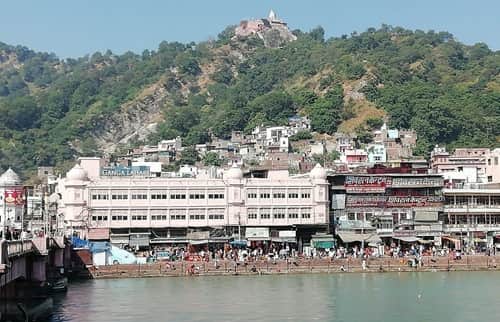
Gau Ghat is located in Haridwar, Uttarakhand, on the banks of the Ganga River. It lies close to the famous Har Ki Pauri area, which makes it easy to include in a Haridwar pilgrimage plan. Visitors who are already exploring Har Ki Pauri, nearby markets or riverfront ghats can reach Gau Ghat without much difficulty.
The location is useful for people who want a slightly calmer space near the main pilgrimage zone. Har Ki Pauri remains the most crowded and energetic ghat, especially during evening Ganga Aarti. Gau Ghat, on the other hand, is more suitable for people who want to sit quietly, perform rituals or spend time near the river without too much rush.
The area around Gau Ghat has a typical Haridwar feel, with puja item shops, priests, local visitors, pilgrims and small lanes leading towards the riverfront. During festivals, Kumbh-related periods, Kanwar Yatra and long weekends, the whole area can become crowded, so visitors should plan accordingly.
Gau Ghat Haridwar Timings
Gau Ghat is generally a public riverfront area, so it does not have fixed opening and closing timings like a museum or ticketed attraction. Devotees and visitors may come at different times of the day for prayers, holy bath, rituals and river darshan.
For a comfortable and safe visit, the practical timing is around 5:00 AM to 8:00 PM. Early morning is best for peaceful prayers, holy bath and less crowd. The air feels fresh, the riverfront is calmer, and families performing rituals can manage things more comfortably.
Evening is also a good time if you want to enjoy the spiritual atmosphere of Haridwar. However, if you are planning to attend the main Ganga Aarti, you may need to go towards Har Ki Pauri. Gau Ghat is better for a quieter river experience rather than the grand aarti crowd.
Very late-night visits are not recommended for first-time travellers, families or senior citizens. Riverfront areas are always safer during active hours.
Best Time to Visit Gau Ghat Haridwar
The best season to visit Gau Ghat Haridwar is from October to March. During these months, the weather remains more pleasant for walking, bathing, rituals and temple visits. Winter mornings can be cold, but the devotional feel near the Ganga makes the experience beautiful.
Early morning is the best time if your purpose is religious. Many families prefer morning hours for puja, pind daan or asthi visarjan because the atmosphere is peaceful and priests are usually available. The crowd is also lighter compared to evening.
Late afternoon and early evening are suitable for river darshan and relaxed sitting. The harsh heat reduces, and the ghat feels more comfortable. If you are visiting in summer, avoid afternoon hours because Haridwar can become hot and tiring.
During monsoon, the Ganga flow can become strong and water levels may rise. Visitors should be extra careful near the steps and avoid going too close to the water if local authorities advise caution.
Why Gau Ghat Haridwar Is Famous
Gau Ghat is famous for its religious and emotional importance. Many people visit the ghat to perform rituals for departed family members and pray for their peace. This makes the place deeply meaningful for families coming to Haridwar with personal faith.
It is also known for its association with the sacred cow in Hindu belief. The name itself gives the ghat a unique identity among Haridwar’s riverfront places. Devotees often connect the place with purity, forgiveness and spiritual cleansing.
Another reason for its popularity is its location near the main Haridwar pilgrimage area. Visitors can easily combine Gau Ghat with Har Ki Pauri, Ganga Aarti, local market shopping and nearby temples.
Things to Do at Gau Ghat Haridwar
1. Perform Prayers for Ancestors
Many families visit Gau Ghat for rituals related to departed loved ones. If you are planning any special puja, speak clearly with a priest about the process, time and charges before starting.
2. Take Ganga Darshan
Even if you are not performing rituals, Gau Ghat is a peaceful place for Ganga darshan. Sit near the river, fold your hands and spend a few quiet moments in prayer.
3. Visit Har Ki Pauri Nearby
Har Ki Pauri is located close to Gau Ghat and is the main attraction of Haridwar. You can visit Gau Ghat first for a quieter experience and then go to Har Ki Pauri for the famous Ganga Aarti.
4. Take a Holy Dip Carefully
Some devotees take a holy dip near the riverfront. Always check the water flow before entering. Use safe bathing areas and avoid deep or fast-flowing sections, especially with children and elderly family members.
5. Explore Haridwar Market
After visiting Gau Ghat, you can explore nearby markets for puja items, rudraksha malas, brass utensils, sweets, ayurvedic products and religious souvenirs.
How to Reach Gau Ghat Haridwar
Gau Ghat is easy to reach from different parts of Haridwar. From Haridwar Railway Station and Haridwar Bus Stand, auto-rickshaws, e-rickshaws and cycle rickshaws are commonly available. You can ask for Gau Ghat or the Har Ki Pauri side, and locals can guide you further.
If you are staying near Har Ki Pauri, you may be able to walk towards Gau Ghat depending on your hotel location. Walking through the lanes gives a real feel of Haridwar’s pilgrimage atmosphere, but keep your belongings safe in crowded areas.
Travellers coming from Delhi, Dehradun, Rishikesh or nearby cities can reach Haridwar by train, bus or private vehicle. During festivals and peak pilgrimage days, vehicles may be stopped at certain points, so some walking may be required.
Nearby Places to Visit Around Gau Ghat Haridwar
1. Har Ki Pauri
Har Ki Pauri is the most famous ghat of Haridwar and is known for Ganga Aarti, Brahma Kund and holy bathing. It is the main spiritual attraction near Gau Ghat.
2. Mansa Devi Temple
Mansa Devi Temple is located on Bilwa Parvat and is one of the most visited temples in Haridwar. Devotees can reach it by ropeway or walking route.
3. Chandi Devi Temple
Chandi Devi Temple is another important temple located on Neel Parvat. Many pilgrims visit both Mansa Devi and Chandi Devi in the same trip.
4. Subhash Ghat
Subhash Ghat is another nearby riverfront area and can be included while exploring the ghats around Har Ki Pauri.
5. Haridwar Local Market
The local market near the ghats is good for religious shopping, sweets, prasad and small souvenirs.
Gau Ghat Haridwar Review
Gau Ghat Haridwar is best for visitors who want a meaningful and less noisy riverfront experience. It may not have the grand visual appeal of Har Ki Pauri’s evening aarti, but it has a quiet devotional depth.
Families visiting for rituals may find Gau Ghat suitable because the atmosphere is more focused on prayer and remembrance. Senior citizens and spiritual travellers may also appreciate its calmer mood. However, crowd and cleanliness can vary depending on season, festival days and local activity.
Overall, Gau Ghat is a valuable stop for people who want to understand Haridwar’s spiritual culture beyond only the most popular tourist points.
Useful Travel Tips for Gau Ghat Haridwar
- Visit early morning if you are planning rituals or peaceful Ganga darshan.
- Discuss puja or ritual charges clearly before starting.
- Be careful while taking a holy dip because the Ganga current can be strong.
- Keep children and senior citizens away from slippery steps.
- Avoid visiting during peak afternoon heat in summer.
- Carry a light shawl in winter mornings.
- Keep your phone, wallet and valuables safe in crowded areas.
- Do not throw plastic, food packets or non-biodegradable puja items into the Ganga.
- Reach Har Ki Pauri early if you plan to attend evening Ganga Aarti after visiting Gau Ghat.
FAQs
Q1. Where is Gau Ghat located?
A: Gau Ghat is located in Haridwar, Uttarakhand, on the banks of the Ganga River. It is close to the Har Ki Pauri area and can be reached easily by auto, e-rickshaw, cycle rickshaw or walking from nearby places.
Q2. Why is Gau Ghat Haridwar famous?
A: Gau Ghat is famous for ancestor rituals, peaceful Ganga darshan and its religious association with the sacred cow. Many families visit this ghat to pray for departed loved ones and perform spiritual ceremonies.
Q3. What is the best time to visit Gau Ghat Haridwar?
A: The best time to visit Gau Ghat is early morning or evening. October to March is the most comfortable season because the weather is pleasant for walking, holy bath, rituals and river darshan.
Q4. Is there any entry fee for Gau Ghat Haridwar?
A: No, there is usually no entry fee for visiting Gau Ghat. However, special puja, priest services, offerings, local transport or parking may have separate charges.