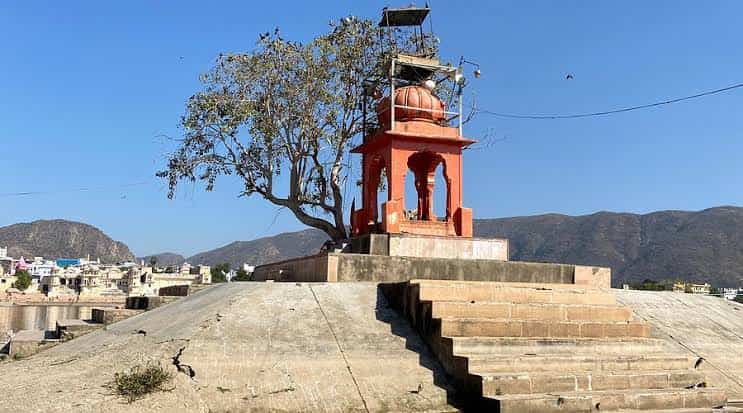
Brahma Ghat Pushkar is one of those rare places where the moment you reach the water, the noise of travel slowly becomes prayer. The lake is calm, the temples stand close to the steps, priests chant mantras, pigeons move around the ghats, and the Aravalli hills quietly frame the sacred town. For many Indian travellers, Pushkar is not only about cafes, shopping and the famous camel fair; its real heart is Pushkar Lake, and Brahma Ghat is one of the most meaningful spots around it.
This ghat matters because it gives visitors a direct experience of Pushkar’s spiritual identity. People come here for holy dips, pind daan, prayers for ancestors, evening lake views and peaceful sitting near the water. It is also closely connected with Lord Brahma, the rare Brahma Temple of Pushkar and the ancient religious importance of the lake. If you are planning a trip to Pushkar from Ajmer, Jaipur, Delhi or nearby Rajasthan cities, Brahma Ghat should be included in your itinerary. This guide explains Brahma Ghat’s history, location, timings, best time to visit and practical travel tips in simple English.
Quick Overview of Brahma Ghat Pushkar
| Details | Information |
| Place Name | Brahma Ghat Pushkar |
| Location | Pushkar, Ajmer district, Rajasthan |
| Waterbody | Pushkar Lake |
| Famous For | Holy dip, rituals, ancestor prayers, peaceful lake views and Lord Brahma connection |
| Nearby Main Temple | Jagatpita Brahma Temple, Pushkar |
| Entry Fee | Usually free for general visit |
| General Timings | Open as a public sacred ghat area |
| Recommended Visiting Hours | Around 5:30 AM to 8:30 PM |
| Best Time of Day | Early morning and evening |
| Best Season to Visit | October to March |
| Most Crowded Time | Kartik month, Pushkar Fair and full moon days |
| Ideal Visit Duration | 1 to 2 hours |
| Suitable For | Devotees, families, senior citizens, photographers and culture travellers |
| Nearby Places | Brahma Temple, Savitri Mata Temple, Varaha Temple, Pushkar Market and Ajmer Sharif |
| Overall Experience | Sacred, calm, traditional, culturally rich and deeply spiritual |
Brahma Ghat Pushkar History
Brahma Ghat is closely connected with the sacred history of Pushkar Lake, one of the most important pilgrimage places in Rajasthan. Pushkar is strongly associated with Lord Brahma, who is considered the creator in Hindu tradition. According to popular belief, Pushkar Lake was formed when a lotus dropped from Lord Brahma’s hand, creating a holy waterbody on earth.
The town’s name also comes from this belief. “Pushkar” is often understood as connected with lotus and sacred water. Over time, the lake became surrounded by several ghats, temples and religious spaces. Brahma Ghat gained importance because of its association with Lord Brahma and the rituals performed around Pushkar Lake.
For centuries, pilgrims have visited Pushkar to take a holy dip and offer prayers. Many families come here for rituals connected with ancestors, especially pind daan and other traditional ceremonies. The ghat has seen generations of devotees, saints, travellers, traders and local communities gathering around the lake.
Pushkar’s importance increased further because of the famous Brahma Temple, one of the most visited temples dedicated to Lord Brahma in India. The temple and the lake together make Pushkar a special pilgrimage destination. Brahma Ghat remains part of this sacred circuit, where faith, mythology and daily worship continue even today.
Brahma Ghat Location
Brahma Ghat is located on the banks of Pushkar Lake in Pushkar, Ajmer district, Rajasthan. Pushkar is around 15 km from Ajmer and is well connected by road. Many travellers visit Pushkar as a day trip from Ajmer, while others stay overnight to enjoy its spiritual and cultural atmosphere.
The ghat lies within the main Pushkar town area, close to temples, local markets, guest houses, cafes and other ghats around the lake. The famous Jagatpita Brahma Temple is also nearby and can be included in the same visit.
Since Pushkar’s old town has narrow lanes, vehicles may not always go very close to the lakefront. Visitors often need to walk through market streets or temple-side lanes to reach Brahma Ghat. This walk is part of the experience, as you pass shops selling puja items, Rajasthani clothes, jewellery, sweets and souvenirs.
Brahma Ghat Timings
Brahma Ghat is a public sacred riverfront-style lake ghat, so it does not have strict opening and closing timings like a museum or ticketed monument. People visit throughout the day for prayers, rituals, bathing and peaceful sitting.
A practical visiting window is around 5:30 AM to 8:30 PM. Early morning is the best time if you want a calm and devotional experience. The lake looks peaceful, the crowd is lighter, and the air feels fresh.
Evening is also beautiful because the light becomes soft and the lakefront feels more atmospheric. Many visitors prefer sitting near the steps during sunset or after temple darshan.
However, rituals and priest services may have their own timings. Nearby temples also follow separate opening and closing schedules. During festivals, Kartik Purnima and Pushkar Fair, the ghat can remain active for longer hours, but crowd levels become much higher.
Best Time to Visit Brahma Ghat Pushkar
The best season to visit Brahma Ghat is from October to March. During these months, Rajasthan’s weather is more comfortable for walking, temple visits, lake darshan and market exploration. Winter mornings and evenings are especially pleasant.
October and November are spiritually important because of the Kartik month and Pushkar Fair period. The town becomes lively with pilgrims, cultural events, markets and fair activities. This is the most colourful time to visit, but also the most crowded. Hotel prices may rise, and advance planning becomes necessary.
December to February is ideal for families and peaceful travellers. The weather remains cool, and sightseeing becomes easier. Morning visits are excellent for calm lake views, while evenings are perfect for relaxed walks around the ghats.
Summer months from April to June can be very hot, especially in the afternoon. If you visit during summer, plan Brahma Ghat early morning or after sunset. During monsoon, the weather becomes better than summer, but humidity and local rain conditions should be considered.
Why Brahma Ghat Is Famous
Brahma Ghat is famous for its sacred connection with Lord Brahma and Pushkar Lake. It is one of the important ghats where devotees perform prayers, holy dips and rituals for ancestors.
The ghat is also known for its peaceful lake view. Unlike a fast-flowing river ghat, Brahma Ghat has a calm waterbody setting. The stillness of the lake, temple bells and surrounding ghats create a deeply spiritual mood.
Another reason for its popularity is its location within Pushkar’s main pilgrimage zone. Visitors can easily combine Brahma Ghat with Brahma Temple, Pushkar Lake parikrama, local markets and nearby temples.
Things to Do at Brahma Ghat Pushkar
1. Take Pushkar Lake Darshan
The first and most important experience is simply to sit near the lake and take darshan. The calm water and temple surroundings create a peaceful atmosphere for reflection and prayer.
2. Perform Puja or Rituals
Many people come to Brahma Ghat for puja, ancestor rituals and offerings. If you plan any ritual, speak clearly with the priest about the process and charges before starting.
3. Visit Brahma Temple
The famous Brahma Temple is close to the ghat and should be included in your visit. It is one of the most important attractions in Pushkar.
4. Walk Around Pushkar Lake
A slow walk around the lake gives you a better feel of Pushkar’s spiritual life. You can see different ghats, temples and local activity around the water.
5. Enjoy Photography Respectfully
Brahma Ghat is beautiful for photography, especially in early morning and evening light. However, avoid photographing people during private rituals, bathing or prayer without permission.
6. Explore Pushkar Market
After visiting the ghat, you can explore Pushkar’s colourful market for Rajasthani clothes, handicrafts, jewellery, leather items, rose products and local snacks.
How to Reach Brahma Ghat Pushkar
Brahma Ghat is easy to reach once you are in Pushkar town. From Ajmer, taxis, buses and local vehicles are available for Pushkar. Ajmer railway station is the nearest major railhead for most travellers.
From Jaipur, Pushkar can be reached by road through Ajmer. Many tourists combine Jaipur, Ajmer and Pushkar in one Rajasthan itinerary.
Inside Pushkar, walking is often the best way to reach the ghats because the old lanes are narrow. Auto-rickshaws may drop you near the market or temple area, after which you can walk to the lakefront.
Nearby Places to Visit Around Brahma Ghat
1. Jagatpita Brahma Temple
This is the most famous temple in Pushkar and one of the main reasons devotees visit the town.
2. Pushkar Lake
The lake itself is the centre of Pushkar’s spiritual identity. Several ghats are located around it.
3. Savitri Mata Temple
Located on a hill, this temple offers a beautiful view of Pushkar town and the surrounding landscape.
4. Varaha Temple
Varaha Temple is another important religious place in Pushkar and can be included in the same trip.
5. Ajmer Sharif Dargah
Ajmer Sharif is around 15 km away and is one of India’s most respected Sufi shrines.
Brahma Ghat Pushkar Review
Brahma Ghat Pushkar is best for travellers who want a peaceful and spiritual experience. It is not about luxury or entertainment. Its real charm lies in faith, lake views, rituals and the old sacred feeling of Pushkar.
Devotees, families and culture lovers usually enjoy the place the most. However, visitors should stay alert about ritual charges and avoid agreeing to anything without clear discussion. Cleanliness and crowd levels may vary depending on season and festival time.
Overall, Brahma Ghat is one of the most meaningful places to visit in Pushkar, especially if you want to understand the town beyond shopping and cafes.
Useful Travel Tips for Brahma Ghat Pushkar
- Visit early morning for peace and better lake views.
- Avoid summer afternoons because the heat can be strong.
- Confirm puja charges before starting any ritual.
- Dress modestly because it is a sacred place.
- Remove footwear where required near sacred areas.
- Do not throw plastic, flowers or food waste into Pushkar Lake.
- Keep children close near the steps.
- Be careful during crowded festival days.
- Carry cash for small offerings, snacks and local transport.
- Combine the visit with Brahma Temple and Pushkar Market.
FAQs
Q1. Where is Brahma Ghat located?
Brahma Ghat is located in Pushkar, Ajmer district, Rajasthan, on the banks of Pushkar Lake. It is close to the famous Brahma Temple and the main market area of Pushkar.
Q2. Why is Brahma Ghat famous?
Brahma Ghat is famous for its connection with Lord Brahma, Pushkar Lake, holy dips, ancestor rituals and peaceful spiritual atmosphere. It is one of the important ghats in Pushkar.
Q3. What is the best time to visit Brahma Ghat Pushkar?
The best time to visit Brahma Ghat is from October to March. Early morning and evening are the best times of day for peaceful darshan, photography and temple visits.
Q4. Is there any entry fee for Brahma Ghat?
No, there is usually no entry fee for visiting Brahma Ghat. However, puja, offerings, local guides, parking, transport or special rituals may have separate charges.