Jagannath Ghat in Kolkata is one of those old Hooghly riverfront places where the city’s real rhythm can be seen early in the morning. While the rest of Kolkata slowly wakes up, this area becomes active with flower sellers, ferry movement, devotees, local traders, photographers, office-goers and people heading towards the river for a short prayer or daily work. The ghat may not look like a polished tourist attraction, but it carries the raw charm of old Calcutta — busy, colourful, historic and deeply connected with the Hooghly River.
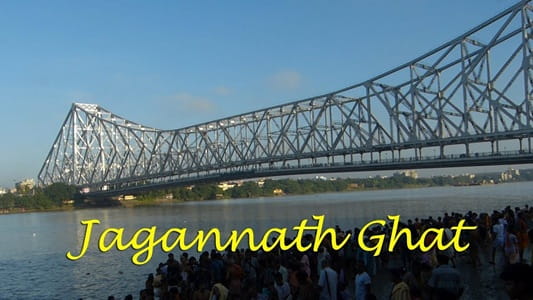
For Indian travellers, Jagannath Ghat matters because it offers much more than a simple riverside view. It is close to the famous Mullick Ghat Flower Market, Howrah Bridge, old trading areas, temples, ferry points and heritage streets. If you want to experience Kolkata beyond Victoria Memorial and Park Street, Jagannath Ghat gives you a very different side of the city. It is practical for photography, heritage walks, local culture, river views and understanding how the Hooghly shaped Kolkata’s daily life and trade.
Quick Overview of Jagannath Ghat Kolkata
| Details | Information |
| Place Name | Jagannath Ghat |
| Location | Kolkata, West Bengal |
| River | Hooghly River |
| Nearby Landmark | Howrah Bridge and Mullick Ghat Flower Market |
| Famous For | Hooghly river views, flower market access, ferry movement, old Kolkata atmosphere and photography |
| Type of Place | Public river ghat and heritage riverfront area |
| Entry Fee | Usually free for general visit |
| General Timings | Public access, best visited during active daylight hours |
| Recommended Visiting Hours | Around 5:00 AM to 7:30 PM |
| Best Time of Day | Early morning |
| Best Season to Visit | October to February |
| Ideal Visit Duration | 45 minutes to 1.5 hours |
| Suitable For | Photographers, heritage walkers, local travellers, devotees, families and culture lovers |
| Nearby Places | Mullick Ghat Flower Market, Howrah Bridge, Armenian Ghat, Burrabazar, BBD Bagh and Howrah Station |
| Overall Experience | Colourful, historic, busy, local, photogenic and strongly connected with old Kolkata life |
Jagannath Ghat History
Jagannath Ghat has a long connection with Kolkata’s riverfront history. In old Calcutta, the Hooghly River was one of the main lifelines of the city. Goods, people, flowers, food items, religious materials and trade products moved through river ghats. Before modern flyovers, metro routes and road networks became dominant, ghats played a very important role in transport and commerce.
The name “Jagannath Ghat” reflects the religious and cultural identity attached to the place. Like many old ghats of Kolkata, it was used by devotees for bathing, offerings and river prayers. The Hooghly River has always been treated with devotion by local people, and many families still come to river ghats for rituals, festival offerings and peaceful darshan.
The surrounding area became especially important because of trade and market activity. The nearby Mullick Ghat Flower Market is one of Kolkata’s most famous wholesale flower markets. For generations, flowers from different regions have arrived here and moved onwards to temples, homes, weddings and markets across the city. Jagannath Ghat became part of this lively river-market culture.
During the colonial period, Kolkata’s riverfront was full of movement. Boats, cargo, traders, workers, pilgrims and local residents used the ghats regularly. Jagannath Ghat belonged to this busy network of river access points. Even today, when you visit the ghat area, you can feel traces of old Calcutta through its narrow lanes, market sounds, river steps, ferry activity and heritage buildings nearby.
Jagannath Ghat Location
Jagannath Ghat is located in Kolkata, West Bengal, on the eastern bank of the Hooghly River. It is close to Howrah Bridge and the well-known Mullick Ghat Flower Market. This makes it one of the most accessible and visually interesting riverfront spots in central Kolkata.
The location is practical for visitors because it lies near major old-city areas such as Burrabazar, BBD Bagh, Armenian Street and the riverfront ferry belt. Howrah Station is also across the river, making the area important for daily commuters and travellers.
If you are visiting for the first time, search for Jagannath Ghat near Mullick Ghat Flower Market or Howrah Bridge. Local taxi drivers, auto drivers and shopkeepers usually know the area well. Since the place is busy and crowded, especially in the morning, walking may be required from the nearest drop point.
The ghat area has a raw local feel. You may find flower baskets, porters, priests, ferry passengers, photographers, vendors, old buildings, river steps and a strong smell of fresh flowers mixed with river air. This is exactly what makes the place special.
Jagannath Ghat Timings
Jagannath Ghat is a public riverfront area, so it does not have strict opening and closing timings like a ticketed tourist attraction. However, the best experience depends heavily on the time of visit.
A practical visiting window is around 5:00 AM to 7:30 PM. Early morning is the most active and interesting time, especially if you want to see the flower market in full swing. This is when traders arrive, flowers are sorted, buyers move quickly, and the whole area becomes colourful and energetic.
Late afternoon is also suitable if you want a quieter river view and a short walk near the Hooghly. However, the flower market’s peak charm is mostly in the early morning.
Very late-night visits are not recommended for casual travellers or families. The area can become less active, and first-time visitors may not feel comfortable walking through old market lanes after dark.
Best Time to Visit Jagannath Ghat Kolkata
The best season to visit Jagannath Ghat is from October to February. During these months, Kolkata’s weather is more pleasant for walking, photography and exploring the riverside market area. Winter mornings are especially good because the air is cooler and the flower market looks bright and lively.
Early morning, around 5:00 AM to 8:00 AM, is the best time of day. If you are a photographer or culture lover, this is the golden window. You can see marigold garlands, lotus flowers, roses, traders carrying huge bundles, boats near the river and Howrah Bridge in the background.
Late afternoon is better for visitors who prefer a relaxed river view without the heavy market rush. The Hooghly looks beautiful in soft light, and you can spend a little time near the ghat before heading towards other Kolkata attractions.
Summer afternoons should be avoided because Kolkata can become hot and humid. During monsoon, the area may become wet, muddy and slippery, especially around the market and ghat steps. Wear proper footwear if visiting during rainy months.
Why Jagannath Ghat Is Famous
Jagannath Ghat is famous mainly because of its location near the Mullick Ghat Flower Market and Howrah Bridge. The combination of river, flowers, heritage and market life makes it one of the most photogenic places in Kolkata.
The ghat is also known for its old Kolkata atmosphere. Unlike modern tourist spaces, Jagannath Ghat shows the working side of the city. People come here not only for sightseeing but also for trade, prayer, transport and daily livelihood.
Another reason for its popularity is photography. Many photographers visit to capture the colourful flower market, workers carrying baskets, boats on the Hooghly, morning light and the iconic Howrah Bridge.
The ghat also has religious importance for local people. Devotees may come for river prayers, offerings and festival rituals, especially during important Hindu dates.
Things to Do at Jagannath Ghat
1. Visit Mullick Ghat Flower Market
This is the biggest highlight near Jagannath Ghat. The flower market is colourful, crowded and full of life. Early morning is the best time to visit.
2. Enjoy Hooghly River Views
Spend a few minutes near the river and watch boats, ferries and daily movement. The Hooghly gives the area a peaceful background despite the market rush.
3. Photograph Old Kolkata Life
Jagannath Ghat is excellent for street and travel photography. Capture the flowers, people, river, bridge and old architecture respectfully.
4. See Howrah Bridge from Nearby
The ghat offers good views of Howrah Bridge. Morning light and river activity make the frame even better.
5. Explore Nearby Heritage Streets
The surrounding old Kolkata lanes have markets, temples, colonial-era buildings and local food spots. Walk carefully and keep your belongings safe.
6. Take a Ferry Ride
If ferry services are available nearby, you can enjoy a short ride across the Hooghly. Confirm the route and timing locally before boarding.
How to Reach Jagannath Ghat
Jagannath Ghat is easy to reach from different parts of Kolkata. Visitors can take a taxi, app cab, bus, metro plus local transport, or ferry depending on the starting point.
From Howrah Station, the ghat is across the river on the Kolkata side and can be reached through Howrah Bridge or nearby ferry routes. From Esplanade, BBD Bagh or Burrabazar, local transport and walking routes are convenient.
If you are coming by metro, the nearest convenient metro access may depend on your route, after which you can take a taxi or local transport. Since roads near Burrabazar and the flower market can be crowded, walking from a nearby drop point is often faster.
For photographers, reaching before sunrise or early morning is best. Plan your transport in advance because early morning public options may be limited.
Nearby Places to Visit Around Jagannath Ghat
1. Mullick Ghat Flower Market
One of the most famous wholesale flower markets in India, known for colour, energy and photography.
2. Howrah Bridge
An iconic Kolkata landmark and one of the most recognised bridges in India.
3. Armenian Ghat
Another old riverfront area nearby, linked with Kolkata’s ferry and heritage culture.
4. Burrabazar
A busy wholesale market area known for trade, textiles, food items and old commercial lanes.
5. BBD Bagh
A heritage-rich area with colonial-era buildings, offices and historic city landmarks.
Jagannath Ghat Review
Jagannath Ghat is best for people who want to see the real, working and colourful side of Kolkata. It is not a clean luxury promenade, so visitors should not expect a polished tourist setup. The area is crowded, active and sometimes chaotic, but that is part of its charm.
Photographers, culture lovers and heritage walkers will enjoy it the most. Families can visit too, but early morning market crowds may feel intense for small children or elderly visitors. The ghat is meaningful because it shows how the Hooghly River continues to support trade, faith and daily life in Kolkata.
Useful Travel Tips for Jagannath Ghat
- Visit early morning for the best flower market experience.
- Wear comfortable and washable footwear because the market area can be wet.
- Keep your phone, wallet and camera safe in the crowd.
- Ask permission before taking close photos of workers or sellers.
- Avoid blocking market movement while clicking pictures.
- Carry small cash for tea, snacks or local purchases.
- Be careful on wet ghat steps near the river.
- Do not throw plastic, flowers or food waste into the Hooghly.
- Avoid visiting very late at night if you are unfamiliar with the area.
- Combine the visit with Howrah Bridge and BBD Bagh for a better Kolkata heritage walk.
FAQs
Q1. Where is Jagannath Ghat located?
Jagannath Ghat is located in Kolkata, West Bengal, on the banks of the Hooghly River. It is close to Howrah Bridge and Mullick Ghat Flower Market.
Q2. Why is Jagannath Ghat famous?
Jagannath Ghat is famous for its Hooghly riverfront location, nearby flower market, old Kolkata atmosphere, ferry activity, photography opportunities and views of Howrah Bridge.
Q3. What is the best time to visit Jagannath Ghat?
The best time to visit Jagannath Ghat is early morning, especially between 5:00 AM and 8:00 AM. October to February is the most comfortable season for walking and photography.
Q4. Is Jagannath Ghat good for photography?
Yes, Jagannath Ghat is excellent for photography, especially because of the flower market, Hooghly River, Howrah Bridge and old Kolkata street life. Visitors should take photos respectfully and avoid disturbing workers or devotees.