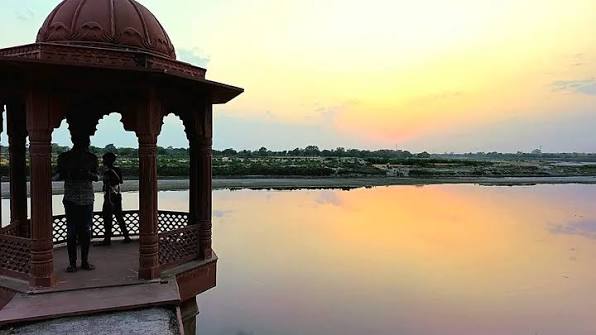
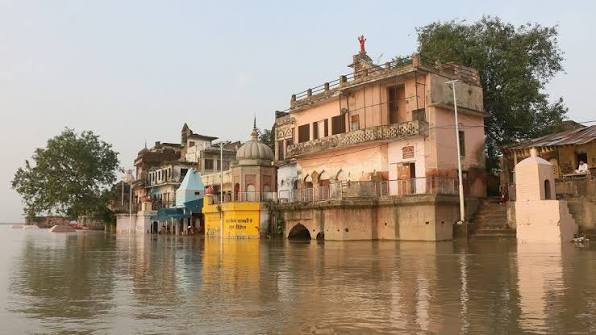
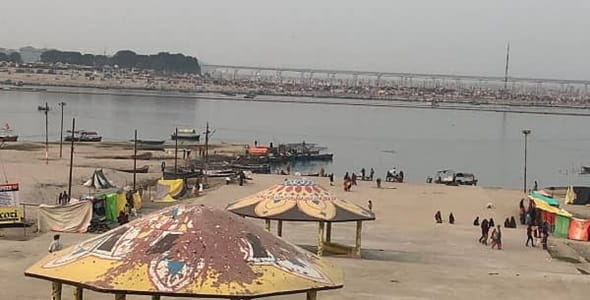
Ganesh Ghat Varanasi is one of those quieter Ganga ghats where Kashi feels less hurried and more personal. While most visitors move straight towards Dashashwamedh Ghat for Ganga Aarti or Assi Ghat for sunrise, Ganesh Ghat gives a softer experience of Banaras — old steps, local prayers, slow river views, small temple sounds and the timeless presence of the Ganga. It is not the loudest or most crowded ghat, but it has the kind of calm that many travellers quietly search for.
For Indian travellers, Ganesh Ghat matters because it helps you experience Varanasi beyond the famous tourist spots. It is useful for people who want a peaceful Ganga darshan, a slow walk along the old ghats, simple photography, temple-side moments and a more local Banaras feeling. The ghat is linked with Lord Ganesh, who is worshipped as the remover of obstacles and the giver of auspicious beginnings. That makes this place meaningful for devotees starting their Varanasi journey with prayer and calmness.
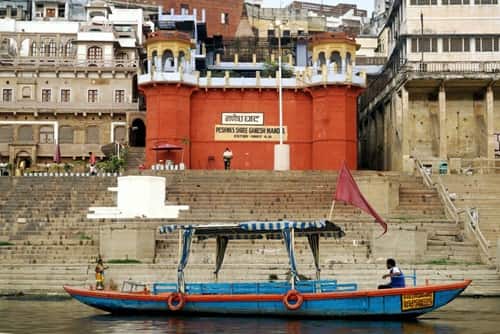
Quick Overview of Ganesh Ghat Varanasi
| Details | Information |
| Place Name | Ganesh Ghat Varanasi |
| Location | Varanasi, Uttar Pradesh |
| River | Ganga River |
| Famous For | Lord Ganesh connection, peaceful river views, local rituals, old Kashi atmosphere and photography |
| Type of Place | Public river ghat / spiritual riverfront |
| Nearby Ghats | Ram Ghat, Panchganga Ghat, Bhonsale Ghat and other old Varanasi ghats |
| Entry Fee | Usually free for general visit |
| General Timings | Open as a public riverfront area |
| Recommended Visiting Hours | Around 5:30 AM to 8:00 PM |
| Best Time of Day | Early morning and late afternoon |
| Best Season to Visit | October to March |
| Ideal Visit Duration | 45 minutes to 1.5 hours |
| Suitable For | Devotees, families, photographers, slow travellers and spiritual visitors |
| Nearby Places | Kashi Vishwanath Temple, Panchganga Ghat, Manikarnika Ghat, Dashashwamedh Ghat and old city lanes |
| Overall Experience | Calm, devotional, traditional, local and best for peaceful exploration |
Ganesh Ghat Varanasi History
Ganesh Ghat is part of Varanasi’s long and sacred riverfront tradition. Varanasi, also known as Kashi and Banaras, has been shaped by the Ganga for centuries. Its ghats were not created only as steps to the river; they became places for worship, bathing, learning, rituals, social life and spiritual reflection.
Ganesh Ghat gets its identity from Lord Ganesh, one of the most loved deities in Hindu tradition. In Indian homes and temples, Lord Ganesh is worshipped before beginning any important work. Because of this, a ghat carrying his name naturally feels connected with auspicious beginnings, prayer and protection.
The exact historical development of smaller ghats like Ganesh Ghat is often connected with local temples, old settlements and patronage by religious families, landlords or regional rulers. Many ghats in Varanasi were built or renovated over time by different royal families, merchants, saints and local communities. Ganesh Ghat also belongs to this layered history of Kashi, where every river step carries some connection with faith and daily life.
Unlike larger ghats that are famous for grand events, Ganesh Ghat’s importance is more intimate. It represents the quieter side of Varanasi — where local devotees come for prayer, residents spend time near the river, and visitors can feel the older rhythm of the city without heavy crowds.
Ganesh Ghat Location
Ganesh Ghat is located in Varanasi, Uttar Pradesh, on the banks of the Ganga River. It lies within the old ghat stretch of the city, near other traditional ghats such as Ram Ghat and Panchganga Ghat side. This area has a strong old-Kashi character with narrow lanes, temples, local homes and riverfront steps.
The ghat is not as widely promoted as Dashashwamedh Ghat or Assi Ghat, so first-time visitors may need to use a map and confirm directions with locals. In Varanasi, this is common because many ghats are connected through narrow lanes and riverfront walking routes.
Ganesh Ghat can be included while exploring the northern and central stretch of Varanasi ghats. If you are already walking from Dashashwamedh side towards Panchganga Ghat or nearby old ghats, you can add Ganesh Ghat to your route. It is also visible during boat rides covering the traditional ghat line of Varanasi.
Ganesh Ghat Timings
Ganesh Ghat is a public riverfront area, so it does not have strict opening and closing timings like a museum, fort or ticketed monument. People may visit during the day for Ganga darshan, prayer, walking, photography and peaceful sitting.
A practical visiting window is around 5:30 AM to 8:00 PM. Early morning is the best time for a calm experience. The river looks peaceful, the air feels fresh, and the crowd is usually lighter. This is also a good time for devotees who want to offer prayers before starting their day in Kashi.
Late afternoon and early evening are also pleasant. The sunlight becomes soft, the weather feels better, and the riverfront looks beautiful for photography. However, very late-night visits are not recommended for first-time travellers or families because some lanes may be quiet, and the steps can be uneven.
During monsoon or high-water season, lower steps may become slippery or covered by rising Ganga water. Visitors should follow local advice and avoid going too close to the river edge.
Best Time to Visit Ganesh Ghat Varanasi
The best season to visit Ganesh Ghat is from October to March. During these months, Varanasi’s weather is comfortable for walking along the ghats, visiting temples, taking boat rides and spending time near the Ganga. Winter mornings can feel cool, but the peaceful atmosphere makes the experience special.
Early morning is the best time if you want devotion and silence. The city slowly wakes up, boats move gently on the river, and the ghat feels calm. For photography, sunrise and morning light create beautiful natural frames.
Late afternoon is better for families and casual visitors. You can walk along nearby ghats, enjoy the Ganga breeze and explore the old lanes before evening. If you want to attend the famous Ganga Aarti later, you can move towards Dashashwamedh Ghat after visiting Ganesh Ghat.
Summer afternoons should be avoided because Varanasi can become very hot. During monsoon, the river looks powerful and dramatic, but visitors must be careful due to wet steps and changing water levels.
Why Ganesh Ghat Is Famous
Ganesh Ghat is famous for its connection with Lord Ganesh and its peaceful local atmosphere. It is not a heavily commercial tourist point, which makes it attractive for travellers who prefer slow and meaningful experiences.
The ghat is also appreciated by people who enjoy walking along the lesser-crowded ghats of Varanasi. It gives a more natural view of Banaras life — small rituals, river-facing homes, temple sounds, local movement and quiet Ganga views.
For devotees, the name itself is important. Lord Ganesh is worshipped before beginning any journey, work or spiritual activity. Visiting Ganesh Ghat can feel like a good starting point for a Kashi trip.
Things to Do at Ganesh Ghat Varanasi
Take Peaceful Ganga Darshan
The main experience at Ganesh Ghat is simply spending time near the Ganga. Sit on the steps, watch the river and enjoy a few quiet minutes away from crowded tourist places.
Offer Prayer to Lord Ganesh
If you are visiting with a devotional purpose, offer a simple prayer to Lord Ganesh. Many devotees seek blessings for a smooth journey, family well-being and removal of obstacles.
Walk Along Nearby Ghats
Ganesh Ghat can be included in a slow walk along the old Varanasi riverfront. Nearby ghats such as Ram Ghat, Panchganga Ghat and other traditional ghats give a strong old-city feeling.
Take a Boat Ride
A boat ride is a good way to see Ganesh Ghat along with other ghats. Morning rides are especially beautiful because the riverfront looks calm and golden.
Click Simple Heritage Photos
Ganesh Ghat is good for natural photography. The steps, boats, river, temples and local life create peaceful frames. Always take photos respectfully, especially when people are praying or bathing.
How to Reach Ganesh Ghat Varanasi
Ganesh Ghat can be reached by walking, boat or local transport depending on your starting point. If you are near the main ghat stretch, walking along the riverfront is one of the best ways to reach it.
From Varanasi Junction railway station, take an auto-rickshaw or cab towards the old city ghat area. Depending on traffic and access restrictions, you may need to walk through narrow lanes. From Lal Bahadur Shastri International Airport, a cab is the most convenient option to reach the old city area.
If you are already at Dashashwamedh Ghat, Manikarnika Ghat or Panchganga Ghat side, ask locals for the walking route to Ganesh Ghat. Boatmen also know the ghat line well and can show it during a river ride.
Nearby Places to Visit Around Ganesh Ghat
Panchganga Ghat
Panchganga Ghat is one of the important old ghats of Varanasi and is known for its spiritual and historical atmosphere.
Kashi Vishwanath Temple
Kashi Vishwanath Temple is one of the most sacred Shiva temples in India and can be included in the same broad itinerary.
Manikarnika Ghat
Manikarnika Ghat is one of Varanasi’s most sacred cremation ghats. Visit with silence and respect, and avoid photography of rituals.
Dashashwamedh Ghat
Dashashwamedh Ghat is famous for the grand evening Ganga Aarti and is one of the busiest ghats in Varanasi.
Old Varanasi Lanes
The nearby lanes are full of temples, tea shops, sweets, local homes and small markets. Walking through them gives a real Banaras experience.
Ganesh Ghat Varanasi Review
Ganesh Ghat Varanasi is best for travellers who want a quiet and devotional riverside experience. It does not have the large crowd or grand event atmosphere of the famous ghats, but that is its beauty. The ghat feels simple, local and peaceful.
Devotees, photographers, solo travellers and people who enjoy slow walking will appreciate it the most. Facilities may be basic, and access may require walking through lanes or along steps. Visitors should keep realistic expectations and enjoy the ghat for its calmness rather than commercial attractions.
Overall, Ganesh Ghat is a meaningful stop for anyone who wants to explore the softer and more traditional side of Varanasi’s Ganga riverfront.
Useful Travel Tips for Ganesh Ghat Varanasi
Visit early morning for peace, better light and less crowd.
Wear comfortable footwear because walking on steps and lanes is common.
Use a boat ride if you want to see the ghat without navigating narrow lanes.
Be careful on wet or uneven steps.
Avoid going close to the river during monsoon or high-water days.
Respect local people performing rituals or bathing.
Do not throw plastic, flowers or food waste into the Ganga.
Keep your phone and wallet safe in crowded nearby areas.
Ask locals politely for directions because smaller ghats can be confusing to find.
Combine the visit with nearby ghats for a better old-Kashi experience.
FAQs
1. Where is Ganesh Ghat located?
Ganesh Ghat is located in Varanasi, Uttar Pradesh, on the banks of the Ganga River. It lies within the old ghat stretch and is commonly explored along with nearby ghats such as Ram Ghat and Panchganga Ghat.
2. Why is Ganesh Ghat famous?
Ganesh Ghat is famous for its connection with Lord Ganesh, peaceful Ganga views, local rituals and quiet old-Kashi atmosphere. It is suitable for devotees and travellers who want a less crowded ghat experience.
3. What is the best time to visit Ganesh Ghat?
The best time to visit Ganesh Ghat is early morning or late afternoon. October to March is the most comfortable season for walking, prayer, boating and photography.
4. Is there any entry fee for Ganesh Ghat Varanasi?
No, there is usually no entry fee for visiting Ganesh Ghat. It is a public riverfront area. However, boat rides, local transport, parking, offerings or guide services may have separate charges.