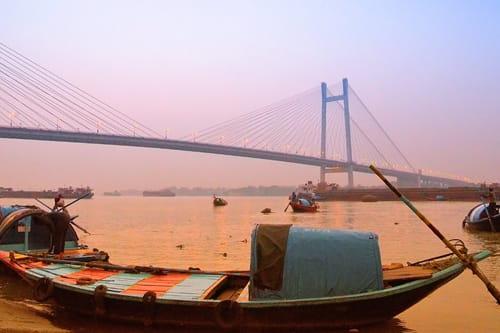
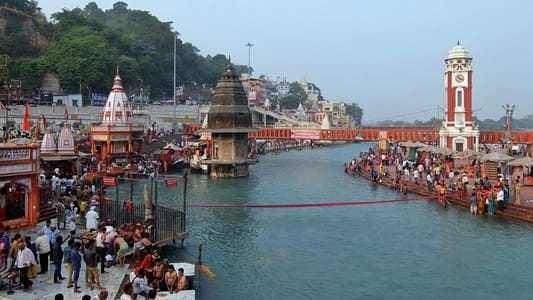
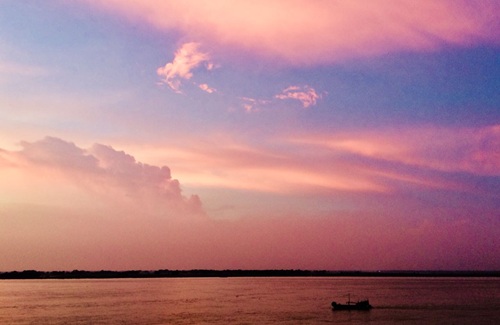
Dhai Ghat in Samaichipur Tarai is one of those local Ganga-side places where faith feels simple, rural and deeply connected with everyday life. It is not a glossy tourist destination with big boards and luxury facilities. Instead, it has the raw charm of a traditional riverbank — open sky, flowing Ganga, sandy stretches, village routes, devotees arriving for snan, families coming for rituals and local people treating the river as part of their life.
For Indian travellers, Dhai Ghat matters because such places show the real spiritual culture of small-town Uttar Pradesh. Not every important ghat is in Varanasi, Haridwar or Prayagraj. Many local ghats like Dhai Ghat serve nearby villages and towns for Ganga darshan, Kartik snan, Chhath Puja, Magh-related bathing, family rituals, fairs and peaceful river visits. If you are from Farrukhabad, Kannauj, Shahjahanpur, Hardoi or nearby areas, Dhai Ghat can be a meaningful local pilgrimage and short riverfront trip.
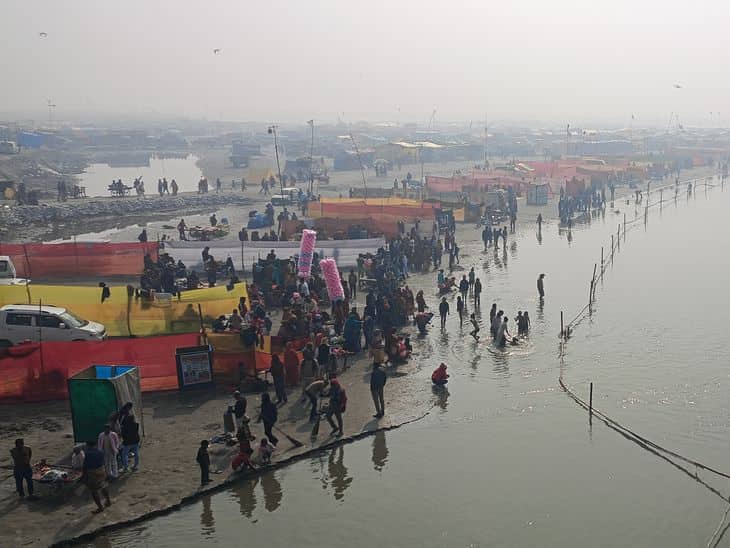
Quick Overview of Dhai Ghat Samaichipur Tarai
| Details | Information |
| Place Name | Dhai Ghat |
| Location | Samaichipur Tarai area, Farrukhabad district, Uttar Pradesh |
| River | Ganga River |
| Famous For | Ganga snan, local religious rituals, fairs, village riverfront atmosphere and peaceful Ganga darshan |
| Type of Place | Public river ghat / local pilgrimage riverbank |
| Entry Fee | Usually free for general visit |
| General Timings | Open public riverfront area |
| Recommended Visiting Hours | Around 5:30 AM to 7:00 PM |
| Best Time of Day | Early morning and late afternoon |
| Best Season to Visit | October to March |
| Important Festival Periods | Kartik Purnima, Makar Sankranti, Magh snan days, Ganga Dussehra and Chhath Puja |
| Ideal Visit Duration | 1 to 2 hours; longer during mela or rituals |
| Suitable For | Devotees, families, senior citizens, local travellers and pilgrims |
| Nearby Areas | Farrukhabad, Shamsabad side, rural Ganga belt and nearby villages |
| Overall Experience | Local, devotional, simple, peaceful on normal days and crowded during religious occasions |
Dhai Ghat History
Dhai Ghat’s history is closely tied to the Ganga and the rural life of Farrukhabad district. Like many traditional ghats of Uttar Pradesh, it developed as a natural access point to the river. People living in nearby villages needed a place for bathing, prayer, rituals, fairs and river-related movement. Over time, Dhai Ghat became a familiar religious and community spot.
In Indian culture, the Ganga is not seen only as a river. For devotees, it is Maa Ganga — a sacred presence connected with purity, blessings and spiritual peace. This belief made local ghats important for every community living near the river. Families who could not travel regularly to famous pilgrimage cities depended on nearby Ganga ghats for snan, puja and important religious occasions.
Dhai Ghat is also known locally during religious bathing periods and seasonal gatherings. On important Hindu dates, people from surrounding areas visit the ghat for Ganga snan and prayers. Such gatherings are not only religious events; they also become social occasions where families meet, small vendors set up stalls and local life becomes active around the river.
The ghat’s importance is not based on grand monuments or royal architecture. Its real history lives in the memories of local people — childhood visits, family rituals, morning snan, festival crowds, village fairs and the emotional connection with the Ganga.
Dhai Ghat Location
Dhai Ghat is located around the Samaichipur Tarai area in Farrukhabad district of Uttar Pradesh. It lies in the Ganga river belt and is mainly known among local residents, devotees and people travelling from nearby villages and towns.
Because this is a rural riverfront location, visitors should confirm the exact route before starting. Local names, village roads and river access points may vary slightly depending on season, road condition and water level. If you are asking for directions, use names like “Dhai Ghat,” “Dhai Ghat Ganga,” or “Samaichipur Tarai Dhai Ghat.”
The surrounding area has a rural atmosphere. You may find fields, sandy riverbank sections, small local shops during busy days, devotees, priests, tractors, bikes and village transport. Facilities may be basic, so it is better to visit with practical expectations.
Dhai Ghat Timings
Dhai Ghat is a public riverfront area, so it does not usually have fixed opening and closing timings like a temple complex or tourist park. People may visit during the day for Ganga darshan, bathing, puja and family rituals.
A practical visiting window is around 5:30 AM to 7:00 PM. Morning is the best time for religious visitors because the atmosphere is calm, the weather is better and Ganga snan feels more peaceful.
Late afternoon is also suitable for families who want a short river visit. The sunlight becomes softer, and the ghat feels more comfortable compared to the hot afternoon.
Very late-night visits are not recommended, especially for first-time visitors, families with children or elderly people. Rural ghats may have limited lighting, uneven ground and fewer people after dark. During major festivals or fairs, the ghat may remain active for longer, but visitors should still follow local safety arrangements.
Best Time to Visit Dhai Ghat
The best season to visit Dhai Ghat is from October to March. During this period, the weather in Uttar Pradesh is more comfortable for travel, walking, bathing and spending time near the river.
Early morning is the best time of day for Ganga snan and puja. Devotees usually prefer morning hours because the environment feels cleaner, quieter and more spiritual.
Kartik month is an important time for many Ganga ghats, and Dhai Ghat may see higher devotional activity around Kartik Purnima. Makar Sankranti, Magh snan days, Ganga Dussehra and Chhath Puja are also important religious occasions when people visit for bathing and prayers.
Summer afternoons should be avoided because the heat can be strong. During monsoon, the Ganga water level may rise, the current can become risky and riverbank areas may turn slippery or unstable. If visiting during rainy months, stay away from deep water and follow local advice.
Why Dhai Ghat Is Famous
Dhai Ghat is famous for its local religious importance and connection with the Ganga. People visit for holy bathing, prayer, offerings and family rituals.
The ghat is also known for seasonal gatherings and mela-like activity during important bathing days. These occasions bring nearby villagers and town residents together in a devotional atmosphere.
Another reason Dhai Ghat matters is accessibility for local people. Instead of travelling far to bigger pilgrimage centres, families from nearby areas can come here for Ganga darshan and rituals.
Its charm lies in simplicity. There are no big tourist-style arrangements, but the peaceful river view and rural faith make the place meaningful.
Things to Do at Dhai Ghat
1. Take Ganga Darshan
The most peaceful thing to do at Dhai Ghat is to sit near the river and take Ganga darshan. The open river view gives a calm and devotional feeling.
2. Take a Holy Dip Carefully
Many devotees take a dip in the Ganga here. Bathe only in safe areas, avoid deep water and never ignore the river current. Keep children and senior citizens close.
3. Offer Puja and Prayers
You can offer flowers, water, diya and prayers near the river. If taking help from a priest, discuss the ritual process and charges clearly before starting.
4. Visit During Festival Snan
Religious bathing days give the ghat a stronger devotional atmosphere. Reach early because crowds, parking and walking distance may increase.
5. Experience Rural River Life
Dhai Ghat gives a real view of village-side Ganga culture. The simplicity of the place is its main attraction.
6. Spend Quiet Family Time
On normal days, the ghat can be peaceful for a short family outing. Carry essentials and avoid littering near the river.
How to Reach Dhai Ghat Samaichipur Tarai
Dhai Ghat can be reached by road from nearby areas of Farrukhabad district. Visitors may use private cars, bikes, tractors, local autos or hired vehicles depending on the route and road condition.
If you are coming from Farrukhabad city, first confirm the road towards Samaichipur Tarai or the local Dhai Ghat route. Since rural roads may change due to rain, repair work or river conditions, asking local people before travelling is useful.
For families, a private vehicle is more comfortable because public transport may not always be frequent near rural ghats. During mela or festival days, start early to avoid crowd and parking difficulty.
Nearby Places Around Dhai Ghat
1. Farrukhabad
Farrukhabad is the main district city and is useful for transport, food, markets, hotels and basic facilities.
2. Shamsabad Side
The Shamsabad side is one of the nearby regional references for travellers exploring the rural Ganga belt.
3. Local Ganga Villages
Nearby villages give a glimpse of rural life, farming culture and local river traditions.
4. Local Temples
Small village temples near the area can be visited along with Dhai Ghat. Ask locals for nearby religious spots.
5. Ganga Riverbank Areas
The surrounding riverbank belt is peaceful on normal days and active during religious occasions.
Dhai Ghat Review
Dhai Ghat Samaichipur Tarai is best for people who want a local and devotional Ganga experience. It is not a developed tourist attraction, so visitors should not expect polished facilities. Its value lies in faith, simplicity and rural riverfront beauty.
On normal days, the ghat can feel quiet and peaceful. During religious bathing days, it becomes crowded and lively. Devotees, families and local travellers will find it meaningful if they visit with proper planning and respect for the river.
Useful Travel Tips for Dhai Ghat
- Visit early morning for a peaceful experience.
- Confirm the exact route locally before starting.
- Avoid going deep into the Ganga while bathing.
- Keep children and elderly family members close near the water.
- Carry drinking water, cash and basic medicines.
- Wear comfortable footwear because the ground may be sandy or uneven.
- Avoid visiting after dark if you are unfamiliar with the area.
- Be extra careful during monsoon and high-water periods.
- Do not throw plastic, food packets or puja waste into the Ganga.
- Reach early during Kartik Purnima, Makar Sankranti and other busy bathing days.
FAQs
Q1. Where is Dhai Ghat located?
Dhai Ghat is located around the Samaichipur Tarai area in Farrukhabad district, Uttar Pradesh, on the Ganga river belt. Visitors should confirm the exact local route before travelling.
Q2. Why is Dhai Ghat famous?
Dhai Ghat is famous for Ganga snan, local puja rituals, religious bathing days, rural riverfront atmosphere and its importance for nearby villages and devotees.
Q3. What is the best time to visit Dhai Ghat?
The best time to visit Dhai Ghat is early morning or late afternoon. October to March is the most comfortable season for bathing, puja and family visits.
Q4. Is Dhai Ghat safe for bathing?
Bathing should be done carefully and only in safe shallow areas. Avoid deep water, strong current and monsoon conditions. Children and senior citizens should always be supervised near the river.