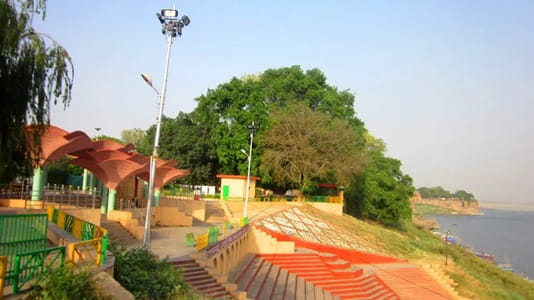
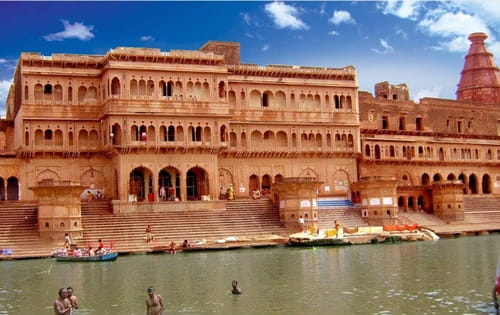
Hanuman Ghat Varanasi is one of those peaceful Ganga-side places where Kashi feels devotional without being too noisy. While many travellers run towards Dashashwamedh Ghat for the grand Ganga Aarti or Assi Ghat for sunrise, Hanuman Ghat gives a calmer and more traditional experience. The old steps, small temples, river breeze, local prayers and slow-moving boats create a simple Banarasi scene that feels deeply rooted in faith.
For Indian travellers, Hanuman Ghat matters because it gives a meaningful break from the busiest parts of Varanasi. It is a good place for people who want Ganga darshan, peaceful sitting, local temple visits, photography and a slow walk along the old ghats. The name itself connects the ghat with Lord Hanuman, who is worshipped for strength, protection, courage and devotion. If you are planning a spiritual trip to Kashi, Hanuman Ghat can be included with nearby ghats, temples and boat rides for a more complete experience of Varanasi.
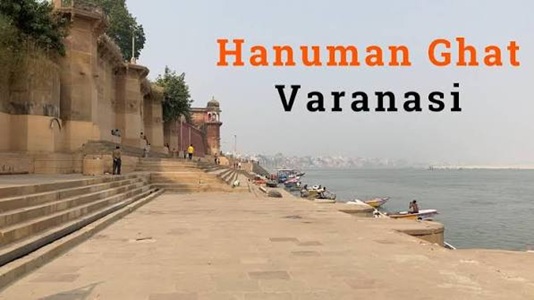
Quick Overview of Hanuman Ghat Varanasi
| Details | Information |
| Place Name | Hanuman Ghat Varanasi |
| Location | Varanasi, Uttar Pradesh |
| River | Ganga River |
| Famous For | Lord Hanuman connection, peaceful river views, old temples, local rituals and traditional Banaras atmosphere |
| Type of Place | Public river ghat / spiritual riverfront |
| Entry Fee | Usually free for general visit |
| General Timings | Open as a public riverfront area |
| Recommended Visiting Hours | Around 5:30 AM to 8:00 PM |
| Best Time of Day | Early morning and late afternoon |
| Best Season to Visit | October to March |
| Ideal Visit Duration | 45 minutes to 1.5 hours |
| Suitable For | Devotees, families, photographers, solo travellers and slow travellers |
| Nearby Places | Assi Ghat, Kedar Ghat, Harishchandra Ghat, Tulsi Ghat, Sankat Mochan Temple and Kashi Vishwanath Temple |
| Overall Experience | Calm, devotional, old-world, local and best for peaceful exploration |
Hanuman Ghat Varanasi History
Hanuman Ghat is part of Varanasi’s ancient and sacred riverfront tradition. Varanasi, also known as Kashi and Banaras, has always grown around the Ganga. Its ghats were built over centuries for bathing, worship, meditation, rituals, learning, social life and spiritual reflection. Hanuman Ghat belongs to this long chain of riverfront spaces where faith and daily life continue together.
The ghat gets its name from Lord Hanuman, one of the most loved deities in Hindu tradition. In North India, Hanuman ji is worshipped as the symbol of devotion, strength and fearless protection. Many devotees believe that remembering Hanuman ji removes fear, gives courage and protects a person from difficulties. Because of this connection, Hanuman Ghat naturally carries a devotional identity.
The historical identity of Hanuman Ghat is also linked with the southern stretch of Varanasi’s ghats, where many old temples, akharas and religious centres developed over time. Like several smaller ghats of Kashi, Hanuman Ghat does not depend on one grand event for its importance. Its value lies in its old atmosphere, local worship traditions and the quiet rhythm of people coming to the Ganga for faith and peace.
Over time, the ghat has remained less crowded than the most famous ghats. This has helped it keep a more local character. Visitors who come here often feel that Hanuman Ghat shows a softer side of Varanasi — one where the river, temple bells and old steps speak slowly.
Hanuman Ghat Location
Hanuman Ghat is located in Varanasi, Uttar Pradesh, on the banks of the Ganga River. It lies within the main ghat stretch of the city and is generally associated with the southern side of the old riverfront. Nearby ghats and areas may include Kedar Ghat, Harishchandra Ghat, Tulsi Ghat and Assi Ghat, depending on the walking route you choose.
The ghat can be reached by walking along the riverfront or through the narrow lanes of old Varanasi. Like many ghats in Kashi, vehicle access may not be available right up to the steps. Autos, e-rickshaws or cabs may drop you at a nearby road point, after which some walking is usually required.
If you are staying near Assi, Lanka, Sonarpura or Godowlia, Hanuman Ghat can be included in a half-day ghat walk. It can also be seen during a boat ride on the Ganga. Boatmen usually know the ghat line well and can show Hanuman Ghat along with nearby ghats.
Hanuman Ghat Timings
Hanuman Ghat is a public riverfront area, so it does not have strict opening and closing timings like a museum, fort or ticketed attraction. People may visit throughout the day for Ganga darshan, prayer, walking, photography and peaceful sitting.
A practical visiting window is around 5:30 AM to 8:00 PM. Early morning is the best time if you want silence, fresh air and a devotional atmosphere. The river looks calm, the steps are less crowded, and the soft morning light makes the ghat beautiful.
Late afternoon is also a good time, especially for families and casual visitors. The weather becomes more comfortable, the sunlight turns softer, and the riverfront feels peaceful.
Very late-night visits are not recommended for first-time travellers or families. Some lanes may become quiet, and ghat steps can be uneven or slippery. During monsoon or high-water season, lower steps may be covered by the Ganga, so visitors should be careful and follow local advice.
Best Time to Visit Hanuman Ghat Varanasi
The best season to visit Hanuman Ghat is from October to March. During these months, Varanasi’s weather is more comfortable for walking, temple visits, boat rides and spending time near the river. Winter mornings can be cool, but the peaceful Ganga atmosphere makes the visit special.
Early morning is the best time for devotees and photographers. The ghat feels calm, and the day begins with prayers, river activity and soft sunlight. This is also a good time if you want to sit quietly and avoid crowds.
Late afternoon to early evening is better for families and relaxed travellers. You can combine Hanuman Ghat with nearby ghats and temples, then move towards a busier ghat if you want to attend Ganga Aarti later.
Summer afternoons should be avoided because Varanasi can become very hot. During monsoon, the river looks powerful and dramatic, but wet steps and rising water levels require extra care.
Why Hanuman Ghat Is Famous
Hanuman Ghat is famous for its connection with Lord Hanuman and its peaceful local atmosphere. It is not as crowded as Dashashwamedh Ghat, which makes it suitable for visitors who want a quieter Ganga experience.
The ghat is also known for old Banaras charm. You can see local people performing small rituals, boats passing slowly, devotees sitting near the river and visitors walking along the steps. This gives the ghat a natural and traditional feel.
For devotees, the name of Hanuman ji itself gives the place emotional value. Many people like to start or end their ghat walk with a small prayer for strength, courage and protection.
Things to Do at Hanuman Ghat Varanasi
1. Take Peaceful Ganga Darshan
The main experience at Hanuman Ghat is simple Ganga darshan. Sit on the steps, watch the river and spend a few calm minutes away from the rush of the main tourist ghats.
2. Offer Prayer to Lord Hanuman
If you are visiting with devotion, offer a simple prayer to Hanuman ji. Many devotees pray for protection, mental strength, family well-being and courage to face difficulties.
3. Walk Along Nearby Ghats
Hanuman Ghat can be included in a slow walk along nearby ghats. Walking is one of the best ways to understand Varanasi because each ghat has a different mood and story.
4. Take a Boat Ride
A morning boat ride is a beautiful way to see Hanuman Ghat and nearby ghats from the river. From the boat, the ghat line looks more connected and scenic.
5. Click Simple River Photos
Hanuman Ghat is good for peaceful photography. The river, boats, old steps and local life create natural frames. Take photos respectfully and avoid disturbing people during prayer, bathing or rituals.
6. Visit Nearby Temples
The area around the southern ghats has many temples and religious places. You can combine Hanuman Ghat with Kedar Ghat, Tulsi Ghat, Sankat Mochan Temple or Assi Ghat depending on your time.
How to Reach Hanuman Ghat Varanasi
Hanuman Ghat can be reached by auto-rickshaw, e-rickshaw, cab, boat or walking. From Varanasi Junction railway station, take local transport towards the old city or southern ghat area. Depending on traffic and access rules, you may need to walk through lanes to reach the ghat.
From Lal Bahadur Shastri International Airport, a cab is the most convenient option. If you are staying near Assi Ghat or Lanka, reaching Hanuman Ghat is easier by local transport and then walking along the riverfront.
If you are already exploring ghats like Kedar Ghat, Harishchandra Ghat, Tulsi Ghat or Assi Ghat, you can ask locals for the walking route to Hanuman Ghat. In Varanasi, local guidance is often helpful because small lanes and ghat routes can be confusing for first-time visitors.
Nearby Places to Visit Around Hanuman Ghat
1. Kedar Ghat
Kedar Ghat is known for Kedareshwar Mahadev Temple, colourful steps and a peaceful devotional atmosphere.
2. Harishchandra Ghat
Harishchandra Ghat is one of Varanasi’s important cremation ghats. Visit with silence and respect, and avoid photography of rituals.
3. Tulsi Ghat
Tulsi Ghat is associated with Goswami Tulsidas and is good for visitors interested in Ram bhakti and cultural history.
4. Assi Ghat
Assi Ghat is one of the most popular ghats in Varanasi, known for sunrise views, Subah-e-Banaras and a relaxed traveller-friendly mood.
5. Sankat Mochan Temple
Sankat Mochan Hanuman Temple is one of Varanasi’s most loved temples and can be included with a Hanuman-focused spiritual itinerary.
Hanuman Ghat Varanasi Review
Hanuman Ghat Varanasi is best for people who enjoy peaceful and devotional riverfront places. It does not have the grand crowd energy of Dashashwamedh Ghat or the busy tourist charm of Assi Ghat, but it offers calmness and old-Kashi simplicity.
Devotees, photographers, solo travellers and families can enjoy this ghat if they visit at the right time. Morning and late afternoon are the most comfortable. Facilities may be basic, and some walking may be required, but the quiet atmosphere makes the visit worthwhile.
Overall, Hanuman Ghat is a meaningful stop for anyone who wants to experience a slower, more local and devotional side of Varanasi.
Useful Travel Tips for Hanuman Ghat Varanasi
- Visit early morning for peace, fresh air and better photography.
- Wear comfortable footwear because walking on steps and lanes is common.
- Be careful on wet or uneven ghat steps.
- Avoid very late-night visits if you are unfamiliar with the area.
- Do not go too close to the river during monsoon or high-water days.
- Respect people performing rituals, prayers or bathing.
- Keep your phone, wallet and camera safe in crowded nearby areas.
- Ask locals politely for directions if the route feels confusing.
- Do not throw plastic, flowers or food waste into the Ganga.
- Combine the visit with Sankat Mochan Temple or nearby ghats for a better spiritual plan.
FAQs
Q1. Where is Hanuman Ghat located?
Hanuman Ghat is located in Varanasi, Uttar Pradesh, on the banks of the Ganga River. It lies within the old ghat stretch and can be explored along with nearby ghats such as Kedar Ghat, Harishchandra Ghat, Tulsi Ghat and Assi Ghat.
Q2. Why is Hanuman Ghat famous?
Hanuman Ghat is famous for its connection with Lord Hanuman, peaceful Ganga views, local rituals and traditional Banaras atmosphere. It is suitable for visitors who want a quieter ghat experience.
Q3. What is the best time to visit Hanuman Ghat?
The best time to visit Hanuman Ghat is early morning or late afternoon. October to March is the most comfortable season for walking, prayer, boating and photography.
Q4. Is there any entry fee for Hanuman Ghat Varanasi?
No, there is usually no entry fee for visiting Hanuman Ghat. It is a public riverfront area. However, boat rides, local transport, parking, offerings or guide services may have separate charges.