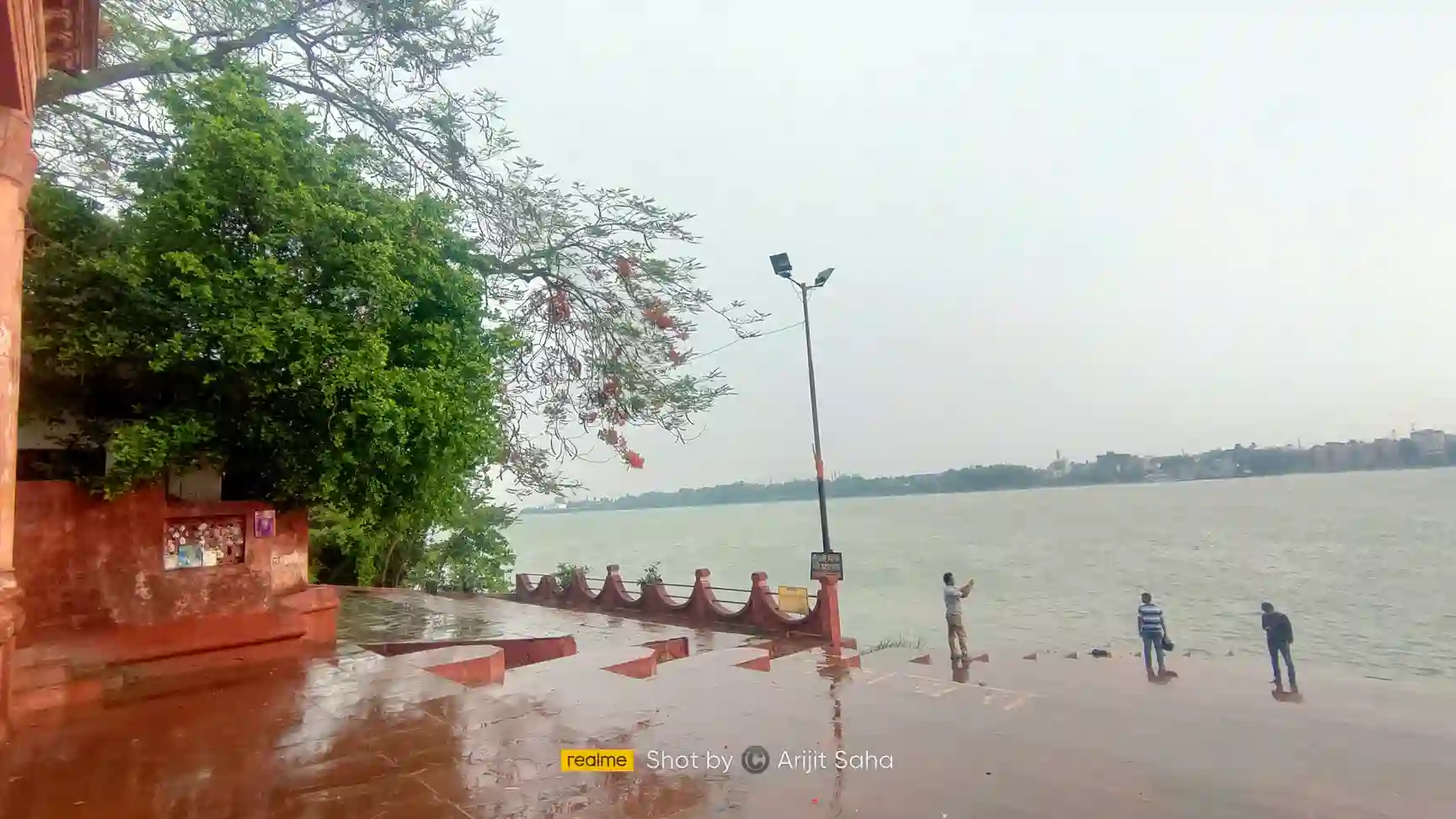
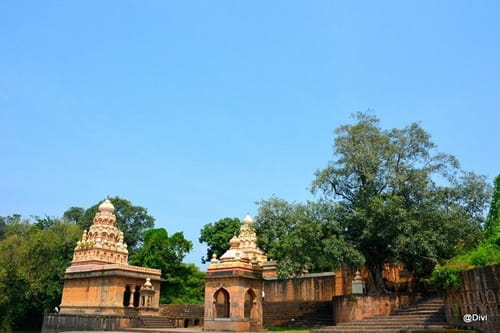
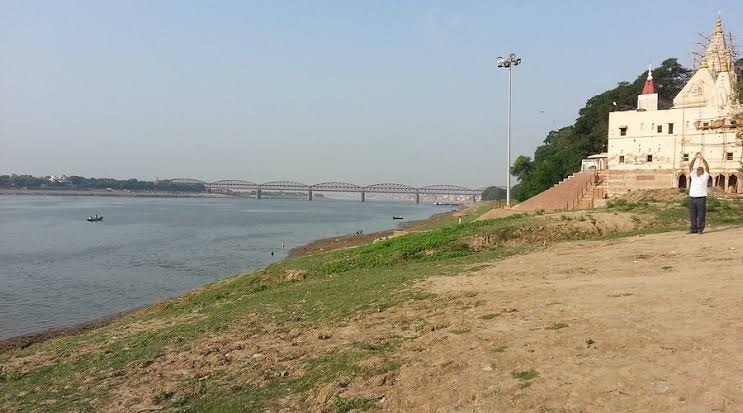
Harishchandra Ghat Varanasi is not a regular sightseeing spot where visitors come only for photos, boat rides or evening relaxation. It is one of the most serious, sacred and emotionally powerful ghats of Kashi. Here, the Ganga flows beside an active cremation ground, and the atmosphere reminds every visitor about truth, duty, life, death and moksha. The place may look simple from a distance, but once you understand its meaning, it becomes one of the deepest experiences in Varanasi.
For Indian travellers, Harishchandra Ghat matters because it shows the spiritual heart of Kashi in its rawest form. Many people visit Varanasi for Kashi Vishwanath Temple, Dashashwamedh Ghat Aarti and sunrise boat rides, but Harishchandra Ghat gives a different lesson. It is connected with Raja Harishchandra, who is remembered for truth and sacrifice. It is also one of the important cremation ghats of Varanasi, where Hindu funeral rituals are performed near the Ganga. This guide explains Harishchandra Ghat’s history, location, timings, best time to visit and respectful travel tips in simple English.
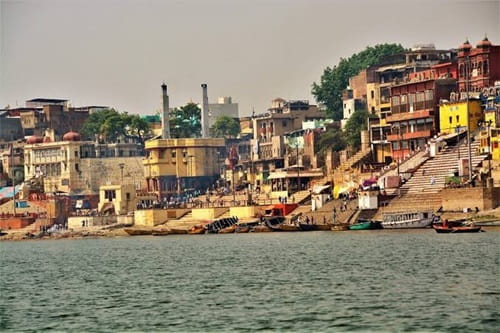
Quick Overview of Harishchandra Ghat Varanasi
| Details | Information |
| Place Name | Harishchandra Ghat |
| Location | Varanasi, Uttar Pradesh |
| River | Ganga River |
| Famous For | Cremation rituals, Raja Harishchandra connection, moksha belief, spiritual importance and old Kashi atmosphere |
| Type of Place | Active cremation ghat / sacred riverfront |
| Entry Fee | Usually free for general visit |
| General Timings | Open as a public riverfront area; cremation rituals may happen throughout the day |
| Recommended Visiting Hours | Around 6:00 AM to 7:00 PM for visitors |
| Best Time of Day | Morning or late afternoon |
| Best Season to Visit | October to March |
| Ideal Visit Duration | 20 minutes to 45 minutes for respectful observation |
| Suitable For | Spiritual travellers, culture learners, pilgrims and mature visitors |
| Nearby Ghats | Kedar Ghat, Hanuman Ghat, Shivala Ghat, Chet Singh Ghat and Dashashwamedh Ghat |
| Important Note | Photography of cremation rituals should be strictly avoided |
| Overall Experience | Serious, sacred, emotional, traditional and deeply connected with Kashi’s spiritual identity |
Harishchandra Ghat History
Harishchandra Ghat is named after Raja Harishchandra, one of the most respected kings in Indian tradition. He is remembered for his commitment to truth, honesty and duty, even when life tested him in the most painful ways. According to popular belief, Raja Harishchandra lost his kingdom, wealth and family during a difficult phase of life, but he never left the path of truth.
A famous story says that he worked at a cremation ground and performed his duty with complete honesty, even when his own family suffered. Because of this powerful story, his name became deeply connected with sacrifice, truthfulness and the reality of human life. Harishchandra Ghat carries that memory and continues to remind people that truth and dharma are higher than comfort, pride or power.
The ghat has been associated with cremation rituals for a long time. In Varanasi, cremation near the Ganga has special religious importance. Many Hindus believe that cremation in Kashi can help the soul move towards liberation. This is why families from different parts of India bring their loved ones to Varanasi for the final rites.
Harishchandra Ghat is often mentioned along with Manikarnika Ghat as one of the main cremation ghats of Varanasi. While Manikarnika is more widely known, Harishchandra Ghat also holds strong spiritual importance. Its history is not only about death; it is about truth, surrender, duty and the belief that life’s final journey should be completed with dignity.
Harishchandra Ghat Location
Harishchandra Ghat is located in Varanasi, Uttar Pradesh, on the banks of the Ganga River. It lies in the southern part of the main ghat stretch and is close to Kedar Ghat, Hanuman Ghat and Shivala Ghat. It is also reachable from the Assi side and the central ghat area through walking routes or boat rides.
The location is useful for travellers who are exploring the ghats on foot. If you are walking from Assi Ghat towards Dashashwamedh Ghat, Harishchandra Ghat comes on the route. However, because it is an active cremation ghat, visitors should slow down, remain quiet and behave respectfully.
Like many places in old Varanasi, direct vehicle access may be limited. Auto-rickshaws, e-rickshaws or cabs can drop you at a nearby road point, after which walking through lanes or along the ghats may be required. First-time visitors should ask locals politely for directions, as the lanes of Kashi can feel confusing.
Harishchandra Ghat Timings
Harishchandra Ghat is a public riverfront area and an active cremation ghat, so it does not have normal tourist timings like a museum or temple complex. Funeral rituals may take place at different times of the day, depending on family needs and local arrangements.
For visitors who only want to understand the place respectfully, a practical visiting window is around 6:00 AM to 7:00 PM. Morning is calmer and better for people who want to see the ghat as part of a heritage walk. Late afternoon is also suitable if you are walking through nearby ghats.
Very late-night visits are not recommended for casual travellers, families or first-time visitors. The atmosphere is serious, and the area should not be treated like a night tourist spot. Visitors should also avoid standing too long near cremation areas, as families come here during emotionally difficult moments.
Best Time to Visit Harishchandra Ghat Varanasi
The best season to visit Harishchandra Ghat is from October to March. During these months, Varanasi’s weather is more comfortable for walking, temple visits, boat rides and ghat exploration. Winter mornings may feel cool, but they are suitable for slow and respectful travel.
Morning is the best time if you want to include Harishchandra Ghat in a peaceful ghat walk. The riverfront is easier to navigate, the heat is less, and the surrounding ghats look beautiful in soft light.
Late afternoon can also be a good time, especially if you are visiting nearby Kedar Ghat, Hanuman Ghat or Shivala Ghat. However, avoid visiting with a picnic mindset. This is a sacred cremation area, and the tone of the visit should remain respectful.
Summer afternoons should be avoided because Varanasi can become very hot. During monsoon, the Ganga water level may rise, and lower steps can become slippery or inaccessible. Always follow local advice during high-water season.
Why Harishchandra Ghat Is Famous
Harishchandra Ghat is famous for its connection with Raja Harishchandra and his legendary commitment to truth. The name itself carries a moral and spiritual message.
The ghat is also famous as one of Varanasi’s important cremation ghats. Families come here to perform the last rites of their loved ones according to Hindu tradition. For many devotees, Kashi is believed to be a place where the soul can move towards moksha.
Another reason Harishchandra Ghat is important is its emotional atmosphere. It reminds visitors that Varanasi is not only about celebration, temples and tourism. It is also a city where people face the reality of life and death with faith and acceptance.
Things to Do at Harishchandra Ghat
1. Understand the Spiritual Meaning
The most important thing to do here is to understand the meaning of the place. Harishchandra Ghat teaches about truth, impermanence, duty and the final journey of life.
2. Walk Respectfully Along the Ghat
You can walk through Harishchandra Ghat while exploring nearby ghats, but walk quietly and avoid unnecessary attention towards cremation rituals.
3. Visit Nearby Kedar Ghat
Kedar Ghat is close by and is known for Kedareshwar Mahadev Temple, colourful steps and a peaceful devotional mood.
4. Take a Boat Ride Past the Ghat
A boat ride on the Ganga allows you to see Harishchandra Ghat from a distance. This is often a better option for travellers who want to understand the ghat without entering sensitive ritual areas.
5. Avoid Photography
Do not take photos or videos of cremation rituals, bodies, grieving families or priests performing final rites. This is not only disrespectful but also deeply insensitive.
How to Reach Harishchandra Ghat
Harishchandra Ghat can be reached by walking, boat or local transport. If you are staying near Assi Ghat, you can walk along the riverfront towards Kedar Ghat and Harishchandra Ghat. If you are near Godowlia or Dashashwamedh Ghat, you can walk through the ghat stretch or take a boat.
From Varanasi Junction railway station, take an auto-rickshaw or cab towards the old city or southern ghat area. Depending on traffic and access restrictions, you may need to walk through lanes. From Lal Bahadur Shastri International Airport, a cab is the most convenient option to reach your hotel or nearby ghat area.
Boatmen in Varanasi usually know all major ghats, so you can also ask to pass by Harishchandra Ghat during a morning or evening boat ride.
Nearby Places to Visit Around Harishchandra Ghat
1. Kedar Ghat
Kedar Ghat is a peaceful and colourful ghat nearby, famous for Kedareshwar Mahadev Temple.
2. Hanuman Ghat
Hanuman Ghat offers a calm riverfront atmosphere and is associated with Lord Hanuman devotion.
3. Shivala Ghat
Shivala Ghat is known for old buildings, temples and a quiet heritage mood.
4. Chet Singh Ghat
Chet Singh Ghat is famous for its fort-like structure and royal history connected with Raja Chet Singh.
5. Assi Ghat
Assi Ghat is one of Varanasi’s most popular ghats and is known for sunrise views, Subah-e-Banaras and a relaxed traveller-friendly atmosphere.
Harishchandra Ghat Review
Harishchandra Ghat is not for casual entertainment, but it is one of the most meaningful places in Varanasi. It gives visitors a serious and honest view of Kashi’s spiritual depth. Some travellers may find the atmosphere intense, but that is exactly why the ghat is important.
The best way to visit is with silence, maturity and respect. Do not compare it with scenic or leisure ghats. Harishchandra Ghat is sacred because it deals with the final human journey and the belief in liberation.
For spiritual travellers, culture learners and people who want to understand the real soul of Varanasi, Harishchandra Ghat is a powerful stop.
Useful Travel Tips for Harishchandra Ghat
- Visit with a respectful and serious mindset.
- Do not take photos or videos of cremation rituals.
- Avoid loud talking, laughing or casual behaviour near the cremation area.
- Do not stand too close to grieving families.
- Wear simple and comfortable clothes.
- Be careful on wet or uneven steps.
- Avoid very late-night visits if you are unfamiliar with the area.
- Use a boat ride if you prefer observing from a distance.
- Keep children close and explain the sensitivity of the place.
- Do not throw plastic, flowers or food waste into the Ganga.
FAQs
Q1. Where is Harishchandra Ghat located?
Harishchandra Ghat is located in Varanasi, Uttar Pradesh, on the banks of the Ganga River. It lies near Kedar Ghat, Hanuman Ghat and Shivala Ghat in the southern stretch of the main ghats.
Q2. Why is Harishchandra Ghat famous?
Harishchandra Ghat is famous for its connection with Raja Harishchandra and for being one of the important cremation ghats of Varanasi. It is deeply linked with truth, duty, final rites and the belief in moksha.
Q3. What is the best time to visit Harishchandra Ghat?
The best time to visit Harishchandra Ghat is morning or late afternoon. October to March is the most comfortable season for walking along the ghats and understanding the place respectfully.
Q4. Can tourists take photos at Harishchandra Ghat?
Tourists should strictly avoid taking photos or videos of cremation rituals, bodies, priests or grieving families. General riverfront photos from a respectful distance may be possible, but sensitivity should always come first.