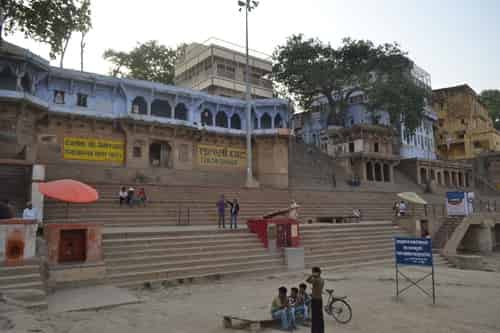
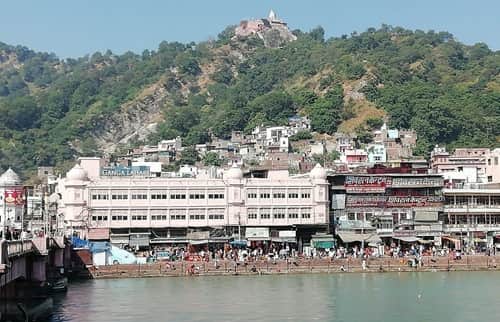
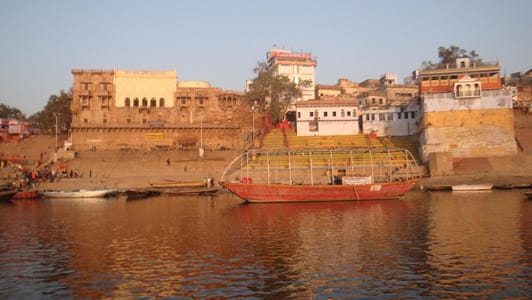
Hindon Ghat Ghaziabad is not a grand tourist ghat like Varanasi or Haridwar, but it holds practical and local importance for many people living in the NCR region. For residents of Ghaziabad, Noida, Sahibabad, Vasundhara, Indirapuram and nearby areas, the Hindon River is a familiar name. During festivals, especially Chhath Puja, many families look for safe and accessible ghats near the Hindon River to offer prayers, perform rituals and spend time together.
What makes Hindon Ghat important is its connection with daily life, local faith and urban river culture. It is a place where people come for religious offerings, community gatherings, festival rituals and sometimes peaceful riverside visits. At the same time, visitors should understand that Hindon is an urban river, and the experience is different from natural hill or pilgrimage ghats. Cleanliness, water quality, crowd management and safety can vary by season and local arrangements. This guide explains Hindon Ghat’s history, location, timings, best time to visit and useful travel tips in simple English.
Quick Overview of Hindon Ghat Ghaziabad
| Details | Information |
| Place Name | Hindon Ghat |
| Common Location | Ghaziabad, Uttar Pradesh |
| River | Hindon River |
| Famous For | Local rituals, Chhath Puja gatherings, riverfront access and community worship |
| Type of Place | Public river ghat / local riverfront area |
| Entry Fee | Usually free for general visit |
| General Timings | Open as a public riverfront area, depending on local access |
| Recommended Visiting Hours | Around 6:00 AM to 7:00 PM |
| Best Time of Day | Morning and late afternoon |
| Best Season to Visit | October to March |
| Most Important Festival Time | Chhath Puja |
| Ideal Visit Duration | 30 minutes to 1.5 hours |
| Suitable For | Devotees, local families, festival visitors and community groups |
| Nearby Areas | Ghaziabad, Sahibabad, Vasundhara, Indirapuram, Mohan Nagar and Hindon River Metro side |
| Overall Experience | Local, devotional, practical and best visited with safety and cleanliness awareness |
Hindon Ghat History
Hindon Ghat’s history is connected with the Hindon River and the growth of settlements around western Uttar Pradesh and Delhi-NCR. The Hindon River originates in the Shivalik region and flows through parts of Uttar Pradesh before joining the Yamuna. For a long time, rivers like Hindon supported farming, local settlements, water needs, village movement and religious practices.
In older times, riverbanks were naturally important for nearby communities. People used them for bathing, washing, small rituals, cattle movement, farming support and seasonal gatherings. Like many smaller riverfronts in North India, Hindon-side ghats developed gradually where people needed access to the water.
With the expansion of Ghaziabad and NCR, the riverfront changed. Urban growth, roads, bridges, colonies, industries and transport routes made the Hindon River more visible in city life. Areas near the river became important landmarks, and local ghats started being used for religious functions and community events.
In recent years, Hindon Ghat has become especially known during Chhath Puja. Since many families from Bihar, Jharkhand and eastern Uttar Pradesh live in Ghaziabad and nearby NCR areas, local river ghats and temporary water arrangements become important during the festival. Hindon Ghat becomes a place where devotion, migration memories and community identity come together.
Hindon Ghat Location
Hindon Ghat is commonly associated with the Hindon River area in Ghaziabad, Uttar Pradesh. The river passes through different parts of the district, so the exact ghat location may vary depending on the locality people are referring to. Many visitors connect Hindon Ghat with areas around Hindon River Metro Station, Mohan Nagar, Sahibabad, Vasundhara and nearby Ghaziabad riverfront points.
Since “Hindon Ghat” can refer to different local access points along the river, first-time visitors should confirm the exact location before starting. During Chhath Puja or other public events, local administration and community groups usually identify specific ghats or prepared areas for worship.
The location is useful for people living in Ghaziabad and nearby NCR areas because they do not have to travel far for river-based rituals. However, visitors should not expect a highly developed tourist ghat. Hindon Ghat is more of a local and functional riverfront area, with facilities depending on the specific spot and occasion.
Hindon Ghat Timings
Hindon Ghat is generally a public riverfront area, so it does not have fixed opening and closing timings like a museum, temple complex or ticketed attraction. Access depends on the exact location, local rules, safety conditions and public arrangements.
A practical visiting window is around 6:00 AM to 7:00 PM. Morning is better for people who want to visit for prayer, peaceful sitting or local observation. The weather is usually more comfortable, and the area is safer in daylight.
Late afternoon can also be suitable, especially during winter or festival days. However, very late-night visits are not recommended unless there is an organised event with proper lighting, crowd management and security.
During Chhath Puja, timings are different because devotees visit during Sandhya Arghya in the evening and Usha Arghya before sunrise. On such occasions, arrangements may be managed by local authorities, police and community volunteers. Visitors should follow official instructions and reach early to avoid crowd pressure.
Best Time to Visit Hindon Ghat Ghaziabad
The best season to visit Hindon Ghat is from October to March. During these months, Ghaziabad’s weather is more comfortable for outdoor visits, walking, rituals and community gatherings. Winter mornings may be cool, but daytime and evening visits are generally manageable.
The most important time to visit Hindon Ghat is during Chhath Puja, usually around October or November. During this festival, the ghat becomes active with devotees offering arghya to the setting and rising Sun. The atmosphere is emotional, devotional and community-driven.
If you want a quieter visit, choose a normal winter morning or late afternoon. This is better for people who want to see the riverfront without festival crowds.
Summer afternoons should be avoided because NCR heat can be harsh. During monsoon, the river level and surrounding areas may become unsafe or muddy, so visitors should be careful and avoid going close to the water. Water quality and cleanliness can also vary, so bathing is not generally advisable unless the area is officially prepared and declared safe for rituals.
Why Hindon Ghat Is Famous
Hindon Ghat is famous mainly for local religious and community use. It becomes especially important during Chhath Puja, when families gather near the river to offer prayers to Surya Dev and Chhathi Maiya.
The ghat is also known as a practical riverfront point for people living in Ghaziabad and nearby NCR localities. For many residents, it is one of the nearest places connected with traditional river worship.
Another reason Hindon Ghat is important is its urban identity. It shows how rivers continue to matter in city life, even when the surrounding area has changed due to development. The ghat reminds visitors that urban rivers need care, cleanliness and responsible public behaviour.
Things to Do at Hindon Ghat
1. Attend Chhath Puja Arrangements
During Chhath Puja, Hindon Ghat becomes a major local gathering point. Devotees come with soop, fruits, sugarcane, thekua and other offerings. If you are visiting during this time, reach early and follow crowd-control rules.
2. Offer Simple River Prayer
Visitors may offer prayers near the river, especially during festivals or personal religious occasions. Keep the offering simple and avoid putting plastic or non-biodegradable items into the water.
3. Spend a Short Riverside Break
On normal days, local visitors may spend a short time near the riverfront. It is better to visit during daylight and choose cleaner, safer sections.
4. Observe Local Community Life
Hindon Ghat gives a view of urban community faith. You can see how people from different states living in NCR continue their traditional festivals and rituals.
5. Take Photos Respectfully
During festivals, the ghat looks colourful and devotional. Photography should be done respectfully. Avoid taking close photos of devotees without permission, especially during prayer.
How to Reach Hindon Ghat
Hindon Ghat can be reached by road, metro and local transport depending on the exact location you want to visit. Hindon River Metro Station is a useful landmark for many travellers searching for riverfront areas in Ghaziabad.
From Ghaziabad city, visitors can use autos, e-rickshaws, cabs or private vehicles. From Sahibabad, Vasundhara, Indirapuram or Mohan Nagar, local transport is usually available.
If visiting during Chhath Puja, check traffic diversions and parking arrangements before leaving home. Roads near prepared ghats can become crowded, and vehicles may be stopped at a distance for safety.
Nearby Places Around Hindon Ghat
1. Hindon River Metro Station
This is one of the useful landmarks for people coming by metro or searching for nearby river access points.
2. Mohan Nagar
Mohan Nagar is a major Ghaziabad area with transport connections, markets and road access.
3. Vasundhara and Indirapuram
These residential areas are close to the Hindon River belt and are common starting points for local visitors.
4. Sahibabad
Sahibabad is an important industrial and residential area near the Hindon side.
5. Ghaziabad City
Ghaziabad offers markets, transport, food options, hotels and access to nearby NCR locations.
Hindon Ghat Review
Hindon Ghat Ghaziabad is best for local religious visits, Chhath Puja gatherings and short riverfront access. It is not a polished tourist destination, so visitors should keep practical expectations. Facilities may vary, and cleanliness depends on the exact location, season and public arrangements.
The ghat becomes most meaningful during festivals, when the community atmosphere is strong. On normal days, it is better for short visits rather than long sightseeing. Visitors should remain careful near the river and avoid bathing or entering unsafe water.
Overall, Hindon Ghat is important for local faith and community culture in Ghaziabad, especially for people who want a nearby place for traditional river rituals.
Useful Travel Tips for Hindon Ghat
- Confirm the exact ghat location before starting.
- Visit during daylight for better safety.
- Avoid entering the river unless the area is officially marked safe.
- Keep children close near the water.
- Do not throw plastic, puja waste or food packets into the river.
- Reach early during Chhath Puja to avoid crowd and parking issues.
- Carry cash for local transport and small expenses.
- Follow police and volunteer instructions during festivals.
- Wear comfortable footwear because walking may be required.
- Avoid visiting isolated riverfront sections after dark.
FAQs
Q1. Where is Hindon Ghat located?
Hindon Ghat is commonly associated with the Hindon River area in Ghaziabad, Uttar Pradesh. The exact ghat point may vary, so visitors should confirm the local location before travelling.
Q2. Why is Hindon Ghat famous?
Hindon Ghat is famous for local river rituals, Chhath Puja gatherings and community worship along the Hindon River. It is especially useful for people living in Ghaziabad and nearby NCR areas.
Q3. What is the best time to visit Hindon Ghat?
The best time to visit Hindon Ghat is during morning or late afternoon. October to March is the most comfortable season, while Chhath Puja is the most important festival time.
Q4. Is Hindon Ghat safe for bathing?
Bathing is not generally recommended unless the area is officially prepared and considered safe for rituals. Visitors should avoid deep water, polluted stretches and unsafe river edges, especially during monsoon or after dark.