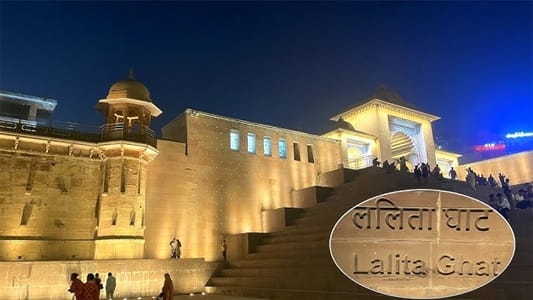
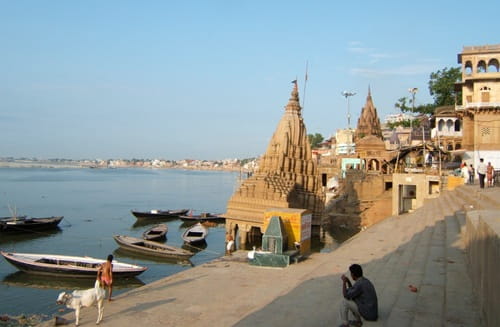
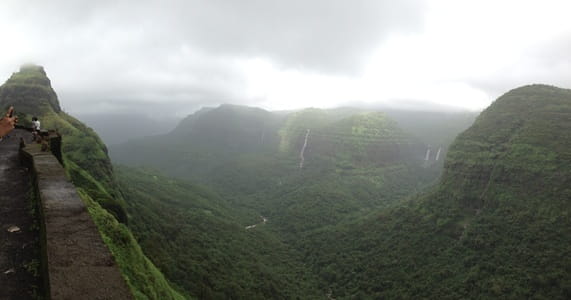
Menavali Ghat near Wai is the kind of place that instantly makes you slow down. The Krishna River flows quietly beside old stone steps, ancient temples stand with a calm dignity, and the famous Nana Phadnavis Wada adds a strong heritage feel to the whole setting. It does not shout for attention like a crowded tourist spot, but once you reach there, the atmosphere feels cinematic, peaceful and deeply rooted in Maharashtra’s history.
For Indian travellers, Menavali Ghat matters because it offers many experiences in one place. It is good for history lovers, photography enthusiasts, family travellers, film-location seekers, spiritual visitors and people planning a short trip near Wai, Satara, Panchgani or Mahabaleshwar. Many travellers pass through Wai while going to hill stations, but Menavali Ghat gives a reason to stop, walk slowly and enjoy the old-world charm of the Krishna riverfront. This guide explains Menavali Ghat’s history, location, timings, best time to visit and practical travel tips in simple English.
Quick Overview of Menavali Ghat Wai Menawali
| Details | Information |
| Place Name | Menavali Ghat |
| Also Written As | Menawali Ghat / Menavali Ghat Wai |
| Location | Menavali village, near Wai, Satara district, Maharashtra |
| River | Krishna River |
| Famous For | Nana Phadnavis Wada, old stone ghat, temples, river views, heritage photography and film shooting locations |
| Type of Place | Heritage river ghat and traditional village riverfront |
| Entry Fee | Usually free for general ghat visit |
| General Timings | Public riverfront area, best visited during daylight |
| Recommended Visiting Hours | Around 6:00 AM to 7:00 PM |
| Best Time of Day | Morning and late afternoon |
| Best Season to Visit | October to February |
| Ideal Visit Duration | 1 to 2 hours |
| Suitable For | Families, couples, photographers, history lovers, senior citizens and weekend travellers |
| Nearby Places | Wai, Dholya Ganapati Temple, Panchgani, Mahabaleshwar, Krishna River ghats and local temples |
| Overall Experience | Peaceful, historic, scenic, spiritual and perfect for a slow heritage visit |
Menavali Ghat History
Menavali Ghat is closely connected with the history of Nana Phadnavis, one of the most influential statesmen of the Maratha Empire during the 18th century. Nana Phadnavis played an important role in Maratha politics after the time of Peshwa Madhavrao and was known for his intelligence, diplomacy and administrative skill.
Menavali became important because Nana Phadnavis developed his residence here. The famous Nana Phadnavis Wada, located near the ghat, is one of the main heritage attractions of the village. The wada, the riverfront steps and the temples together create a historic setting that reflects the architecture and lifestyle of old Maratha-era elites.
The stone ghat was built on the banks of the Krishna River and was used for daily rituals, bathing, religious activities and community gatherings. In old Maharashtra, river ghats were not only spiritual places. They were also social spaces where people met, performed ceremonies, filled water, worshipped and connected with village life.
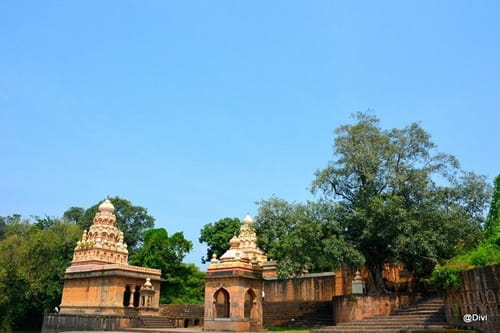
Menavali Ghat is also known for its temples. The temple structures near the ghat add to the sacred atmosphere of the place. The area is associated with Lord Shiva and Vishnu worship traditions, and visitors often stop here for quiet darshan.
Another interesting feature of the ghat area is the old bell seen near the temple side. Many visitors notice its unusual appearance and historic feel. Local traditions connect such bells in Maharashtra with the Maratha period and older military or religious history. This adds to the heritage charm of the place.
Over time, Menavali Ghat became popular not only among devotees and locals but also among photographers and filmmakers. Its old stone steps, traditional wada, river view and peaceful village setting have made it a favourite location for period-style visuals and cultural storytelling.
Menavali Ghat Location
Menavali Ghat is located in Menavali village, near Wai, in Satara district of Maharashtra. It lies on the banks of the Krishna River and is a short drive from Wai town. Wai itself is an old and culturally rich town, often called “Dakshin Kashi” because of its many temples and ghats.
The location is especially convenient for travellers going towards Panchgani or Mahabaleshwar. Many people visit Menavali Ghat as a small detour during a weekend trip from Pune, Satara or Mumbai.
Menavali is a quiet village, so the approach road may feel narrow in some sections. Local signboards and map navigation usually help, but it is still useful to ask locals for “Menavali Ghat” or “Nana Phadnavis Wada” if you are unsure.
The ghat is not a commercial tourist complex. It has a traditional village setting, old structures, river steps, temples and a calm atmosphere. Visitors should expect simplicity rather than luxury facilities.
Menavali Ghat Timings
Menavali Ghat is a public riverfront area, so it does not have strict opening and closing timings like a ticketed monument. However, visitors should plan their trip during daylight hours.
A practical visiting window is around 6:00 AM to 7:00 PM. Morning is best for people who want peaceful river views, soft light and fewer visitors. It is also a good time for photography because the old stone structures and riverfront look beautiful in natural light.
Late afternoon is another excellent time. The sunlight becomes softer, the Krishna River looks calm, and the ghat feels more relaxed. This is suitable for families, couples and travellers who want a peaceful stop before returning to Wai or heading towards Panchgani.
Very late evening or night visits are not recommended because village ghats may have limited lighting, uneven steps and fewer people around. If you want to visit Nana Phadnavis Wada from inside, access may depend on current local rules, maintenance and permissions, so confirm locally before planning your visit around it.
Best Time to Visit Menavali Ghat
The best season to visit Menavali Ghat is from October to February. During these months, the weather is pleasant for walking, photography and spending time near the Krishna River. Winter mornings are fresh, and the overall village atmosphere feels peaceful.
Monsoon is also beautiful because the surroundings near Wai become green and scenic. The river may look fuller, and the landscape feels more dramatic. However, the stone steps can become slippery during rain, so visitors should be careful. Monsoon is good for nature lovers but not ideal for people travelling with elderly family members or small children.
Summer afternoons should be avoided because Wai and the Satara region can become hot. If you visit during summer, choose early morning or late evening.
For photography, morning and golden-hour evening are the best. For families, late afternoon is usually more comfortable. For heritage lovers, morning gives a better chance to explore the ghat slowly without much disturbance.
Why Menavali Ghat Is Famous
Menavali Ghat is famous mainly for its heritage setting. The combination of Nana Phadnavis Wada, stone steps, temples and Krishna River makes it one of the most photogenic places near Wai.
It is also famous as a film shooting location. The old architecture and peaceful riverfront have appeared in several Indian films and visual projects. Travellers who enjoy cinematic places often find the ghat very attractive.
Another reason for its popularity is its easy access from Wai, Panchgani and Mahabaleshwar. Many people looking for offbeat places near these hill stations include Menavali Ghat in their itinerary.
The ghat is also important for visitors who enjoy calm spiritual places. It is not crowded like many famous pilgrimage ghats, so people can sit quietly and enjoy the river atmosphere.
Things to Do at Menavali Ghat
1. Explore the Old Stone Ghat
The main experience is walking along the old stone steps near the Krishna River. The ghat looks simple but carries a strong heritage feel.
2. See Nana Phadnavis Wada
Nana Phadnavis Wada is the biggest historical highlight near the ghat. Even if full access is limited, the exterior and surrounding area give a strong sense of Maratha-era architecture.
3. Visit the Temples Near the Ghat
The temples around Menavali Ghat add a spiritual touch to the visit. Spend a few quiet minutes for darshan and observe the traditional architecture.
4. Enjoy Heritage Photography
The old buildings, river, steps, temple structures and village background make Menavali Ghat excellent for photography. Early morning and late afternoon are best for natural light.
5. Sit Peacefully by the Krishna River
Menavali Ghat is ideal for slow travel. Sit near the river, enjoy the breeze and take a break from crowded tourist routes.
6. Combine with Wai Sightseeing
After Menavali Ghat, visit Wai’s famous Dholya Ganapati Temple and other Krishna river ghats. This makes your trip more complete.
How to Reach Menavali Ghat
Menavali Ghat is around a short distance from Wai town and can be reached by private car, bike, taxi or local vehicle. Wai is well connected by road to Pune, Satara, Panchgani and Mahabaleshwar.
From Pune, travellers usually drive towards Wai via the Pune-Bengaluru highway route and then take the local road towards Menavali. From Satara, Wai is also easily reachable by road. From Panchgani or Mahabaleshwar, Menavali can be included as a heritage stop during the return journey.
For families, travelling by private vehicle is the most comfortable option because local public transport may not be very frequent near the village.
Nearby Places to Visit Around Menavali Ghat
1. Wai
Wai is known for temples, ghats and old-town charm. It is a must-visit if you are already going to Menavali.
2. Dholya Ganapati Temple
This famous Ganesh temple in Wai is located near the Krishna River and is one of the most loved religious spots in the region.
3. Panchgani
Panchgani is a popular hill station known for Table Land, viewpoints, strawberry farms and pleasant weather.
4. Mahabaleshwar
Mahabaleshwar is famous for viewpoints, temples, Venna Lake, strawberries and cool climate.
5. Krishna River Ghats
Wai has several ghats along the Krishna River. Travellers interested in heritage and photography can explore more than one ghat in the area.
Menavali Ghat Review
Menavali Ghat is best for travellers who enjoy quiet heritage places rather than crowded tourist attractions. It offers history, river views, temples and photography in one peaceful setting.
The place is especially good for a short stop during a Wai-Panchgani-Mahabaleshwar trip. Facilities may be basic, and the village setting should be respected. Visitors should avoid littering, making noise near temples or treating the heritage area carelessly.
Overall, Menavali Ghat is one of the most beautiful and meaningful places near Wai for people who want history, culture and calm riverfront beauty.
Useful Travel Tips for Menavali Ghat
- Visit early morning or late afternoon for the best light and weather.
- Wear comfortable footwear because the steps may be uneven.
- Be careful during monsoon as stones can become slippery.
- Do not throw plastic, food packets or flowers into the Krishna River.
- Respect temples and local residents.
- Ask locally before entering private or restricted heritage areas.
- Carry water, especially in summer.
- Keep children close near the river steps.
- Avoid loud music and picnic-style behaviour.
- Combine Menavali Ghat with Wai and Panchgani for a better day trip.
FAQs
Q1. Where is Menavali Ghat located?
Menavali Ghat is located in Menavali village near Wai, in Satara district of Maharashtra. It is situated on the banks of the Krishna River and is close to Panchgani and Mahabaleshwar routes.
Q2. Why is Menavali Ghat famous?
Menavali Ghat is famous for Nana Phadnavis Wada, old stone steps, temples, Krishna River views, heritage photography and its appearance as a film shooting location.
Q3. What is the best time to visit Menavali Ghat?
The best time to visit Menavali Ghat is from October to February. Morning and late afternoon are ideal for photography, walking and peaceful river views.
Q4. Is there any entry fee for Menavali Ghat?
There is usually no entry fee for visiting the ghat area. However, access to nearby heritage sections or private areas may depend on local rules, permissions or maintenance conditions.