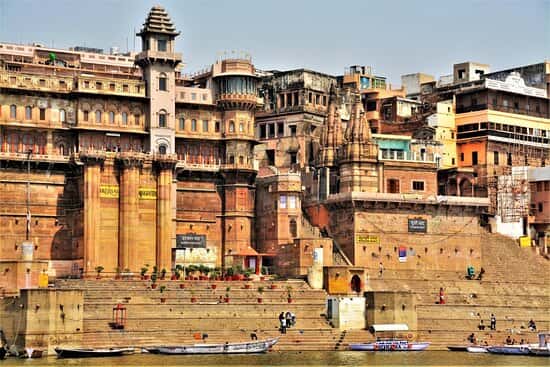
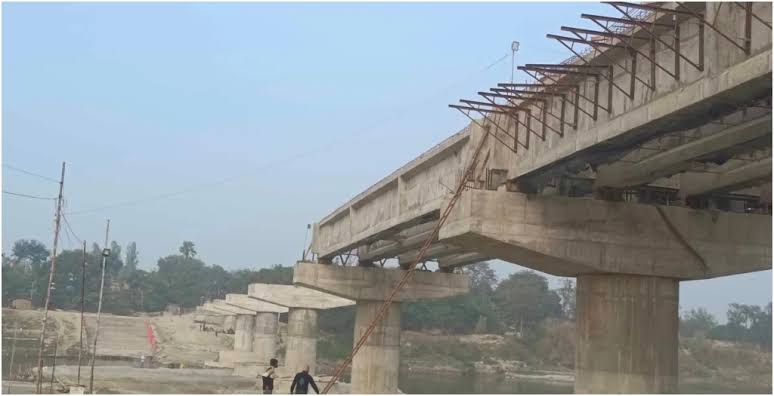
Ram Sanehi Ghat Barabanki is not the kind of place where you arrive only for grand monuments or polished tourist attractions. It is a calm, old-style Uttar Pradesh town where local life, faith, markets, roads and rural surroundings come together in a very real way. For travellers moving on the Lucknow–Ayodhya side, the name often appears as a stop, a tehsil, a police station area, or a local landmark in Barabanki district. But if you slow down and understand the place, Ram Sanehi Ghat has its own quiet identity.
For Indian readers and travellers, this topic matters because many people search for Ram Sanehi Ghat while planning local travel, family visits, temple visits, highway journeys, property work, government work or short stops between Lucknow, Barabanki and Ayodhya. It is not a typical riverfront tourist ghat like Varanasi or Haridwar. Instead, it is better understood as a town and administrative area with local history, religious identity and practical travel importance. This guide explains Ram Sanehi Ghat’s history, location, timings, best time to visit and useful travel tips in simple English.
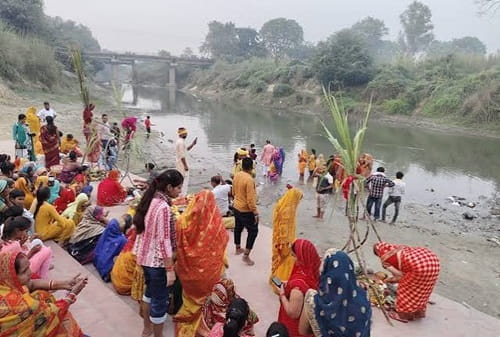
Quick Overview of Ram Sanehi Ghat Barabanki
| Details | Information |
| Place Name | Ram Sanehi Ghat |
| Location | Barabanki district, Uttar Pradesh |
| State | Uttar Pradesh |
| Region | Awadh region |
| Known For | Local town identity, tehsil importance, religious association, markets and highway connectivity |
| Type of Place | Town / tehsil area / local administrative centre |
| Entry Fee | No entry fee |
| General Timings | Open as a public town area |
| Recommended Visiting Hours | Around 7:00 AM to 8:00 PM |
| Best Time of Day | Morning and late afternoon |
| Best Season to Visit | October to March |
| Ideal Visit Duration | 2 to 4 hours for local visit; more if you have personal or official work |
| Suitable For | Local travellers, families, devotees, highway travellers and people visiting Barabanki-Ayodhya region |
| Nearby Places | Barabanki, Dariyabad, Lucknow, Ayodhya route, local villages and markets |
| Overall Experience | Simple, local, practical, devotional and useful for regional travel |
Ram Sanehi Ghat History
Ram Sanehi Ghat has a local history connected with faith, settlement and movement in the Awadh region of Uttar Pradesh. Unlike famous tourist cities where history is written through large forts or palaces, the history of Ram Sanehi Ghat lives more in local memory, religious belief, old roads, village networks and daily public life.
The name “Ram Sanehi” is commonly understood in a devotional sense. “Ram” refers to Lord Rama, and “Sanehi” suggests affection or devotion. Many people connect the name with local saintly or devotional traditions. In such towns of Uttar Pradesh, names often come from saints, temples, religious stories, old settlements or important community figures. This gives the place a spiritual tone even if it is not marketed as a major pilgrimage centre.
Historically, the wider Barabanki region has been part of Awadh’s cultural belt. This region is known for farming communities, old markets, religious places, local fairs and travel routes connecting Lucknow with eastern Uttar Pradesh. Ram Sanehi Ghat developed as a local centre for nearby villages and travellers.
Over time, its importance increased because of administration and connectivity. It became known as a tehsil area and police station region. For local people, this means the place is important for land records, government work, legal matters, markets, education, health services and transport. So, Ram Sanehi Ghat’s history is not only spiritual; it is also practical and deeply connected with everyday rural and semi-urban life.
Ram Sanehi Ghat Location
Ram Sanehi Ghat is located in Barabanki district of Uttar Pradesh. Barabanki lies close to Lucknow and is an important district in the Awadh region. Ram Sanehi Ghat is generally known as a tehsil and local town area within the district.
Its location is useful because it falls in the broader travel belt connecting Lucknow, Barabanki, Dariyabad and the Ayodhya side. Travellers moving towards Ayodhya, eastern Uttar Pradesh or nearby villages may pass through or near this region depending on their route.
The area has a typical small-town atmosphere. You can expect local markets, roadside shops, public offices, schools, homes, religious places, agricultural surroundings and transport movement. It is not designed like a tourist resort, so visitors should keep practical expectations.
If you are visiting for official work, family functions, local business, religious purpose or property-related matters, it is better to confirm the exact village, office, temple or landmark before starting, because “Ram Sanehi Ghat” may refer to the town, tehsil area or nearby local region.
Ram Sanehi Ghat Timings
Ram Sanehi Ghat is a public town area, so it does not have fixed opening and closing timings like a museum, park or temple complex. People live and move here throughout the day. Shops, offices, transport services and local places may follow their own timings.
For visitors, a practical time to explore or complete local work is between 7:00 AM and 8:00 PM. Morning is good for travel, market work, visiting local religious places and completing official tasks. Government offices usually work during daytime hours on working days, so plan accordingly if your purpose is administrative.
Late afternoon is better if you want to avoid strong sun and move around comfortably. Evening can be active in market areas, but late-night movement is not usually needed unless you are a local or travelling with someone familiar with the area.
If you are visiting a specific temple, office, school, hospital or local event, confirm the exact timing in advance because small-town schedules can change due to holidays, festivals, local conditions or weekly market days.
Best Time to Visit Ram Sanehi Ghat
The best time to visit Ram Sanehi Ghat is from October to March. During these months, the weather in Uttar Pradesh is more comfortable for travel, walking through local areas, attending functions and completing outdoor work. Winter mornings can be slightly cool, but daytime movement is easier compared to summer.
October to February is especially suitable for people travelling with family or senior citizens. The heat is less, roads feel more manageable, and local visits become more comfortable.
March can also be good, especially before the summer heat becomes strong. If your visit is connected with festivals, local fairs, weddings or religious activities, the winter season is usually more pleasant.
Summer months from April to June can be hot, especially in afternoon hours. If you must travel during summer, start early in the morning, carry water and avoid unnecessary outdoor movement between noon and 4 PM.
Monsoon brings relief from heat, but roads, drains and local paths may become muddy or waterlogged in some areas. Travel is possible, but keep extra time and check road conditions.
Why Ram Sanehi Ghat Is Known
Ram Sanehi Ghat is known mainly for its local administrative and regional importance. It is a recognised town and tehsil area in Barabanki district, which makes it useful for people from nearby villages and settlements.
The place is also known because of its devotional-sounding name and local religious identity. Many travellers searching for it are looking for a place connected with local faith, village roots, family visits or regional history.
Another reason for its importance is connectivity. Being part of the Barabanki-Awadh belt, it works as a practical stop for people travelling between Lucknow, Barabanki and eastern Uttar Pradesh routes.
Things to Do in and Around Ram Sanehi Ghat
1. Visit Local Religious Places
Ram Sanehi Ghat and nearby areas may have small temples, shrines and local worship places. These are usually simple but meaningful for local people. Visit respectfully and ask locals for directions if you are searching for a specific place.
2. Explore the Local Market
Small-town markets are useful for daily items, snacks, tea, sweets, clothes, puja items and local shopping. Morning and evening are usually better times to visit markets.
3. Complete Official or Tehsil Work
Many people visit Ram Sanehi Ghat for administrative work related to land, certificates, police station, court-related matters or local documentation. Carry all required papers and reach during working hours.
4. Use It as a Travel Stop
If you are travelling on the Lucknow-Barabanki-Ayodhya side, Ram Sanehi Ghat can work as a useful stop for rest, food, local directions or nearby village access.
5. Understand Local Awadh Life
For travellers interested in real Uttar Pradesh beyond big cities, Ram Sanehi Ghat gives a simple view of local life — markets, farming communities, road movement, tea shops, temples and family-based settlements.
How to Reach Ram Sanehi Ghat
Ram Sanehi Ghat can be reached by road from Barabanki, Lucknow and nearby towns. Private vehicles, buses, shared vehicles and local transport are commonly used depending on the starting point.
From Lucknow, travellers can move towards Barabanki and continue towards the Ram Sanehi Ghat side based on the exact route. From Barabanki city, local vehicles and road transport can help reach the area.
If coming by train, check the nearest convenient railway station according to your final destination in the Ram Sanehi Ghat region. Barabanki and nearby railway points may be useful depending on the route. For air travellers, Lucknow airport is the nearest major airport, and from there road travel is required.
Since local routes can vary by village or landmark, keep the exact address ready before travelling.
Nearby Places to Visit Around Ram Sanehi Ghat
1. Barabanki
Barabanki is the main district city and is useful for markets, transport, hotels, food and administrative work.
2. Lucknow
Lucknow is the nearest major city and can be combined for heritage, food, shopping and airport connectivity.
3. Ayodhya Route
Many travellers use this belt while travelling towards Ayodhya. If planned properly, Ayodhya can be included in a longer spiritual trip.
4. Dariyabad
Dariyabad is another nearby town in the region and may be useful depending on local travel plans.
5. Local Villages and Fields
The surrounding rural area gives a peaceful view of Awadh’s agricultural life, especially during winter and harvest seasons.
Ram Sanehi Ghat Review
Ram Sanehi Ghat is best for people who want practical local information rather than a typical tourist experience. It is a small-town and tehsil area with regional importance, devotional identity and useful connectivity.
Visitors should not expect a developed sightseeing destination with large monuments, ticket counters or tourist facilities everywhere. Its value lies in local life, faith, markets and administrative use. If you visit with the right expectation, the place feels simple, grounded and useful.
For families, highway travellers and people with work in nearby villages, Ram Sanehi Ghat can be an important and convenient location in Barabanki district.
Useful Travel Tips for Ram Sanehi Ghat
- Start early if you are visiting for official work.
- Carry proper documents if going to government offices.
- Confirm the exact address or landmark before travelling.
- Avoid peak afternoon heat in summer.
- Keep cash for small shops, autos and local services.
- Wear comfortable footwear because walking may be required.
- Ask locals politely for directions in small lanes.
- Keep extra travel time during festivals, weddings or market days.
- Do not depend only on online maps for very small local routes.
FAQs
Q1. Where is Ram Sanehi Ghat located?
Ram Sanehi Ghat is located in Barabanki district of Uttar Pradesh. It is known as a town and tehsil area in the Awadh region and is connected with nearby places like Barabanki, Lucknow and Dariyabad.
Q2. Is Ram Sanehi Ghat a tourist ghat like Varanasi?
No, Ram Sanehi Ghat is not mainly a tourist river ghat like Varanasi or Haridwar. It is better known as a town and administrative area in Barabanki district with local religious and regional importance.
Q3. What is the best time to visit Ram Sanehi Ghat?
The best time to visit Ram Sanehi Ghat is from October to March because the weather is pleasant for travel and local movement. Morning hours are best for official work, market visits and local travel.
Q4. Is there any entry fee for Ram Sanehi Ghat?
No, there is no entry fee because Ram Sanehi Ghat is a public town area. However, local transport, parking, food, documents, services or specific religious offerings may have separate charges.