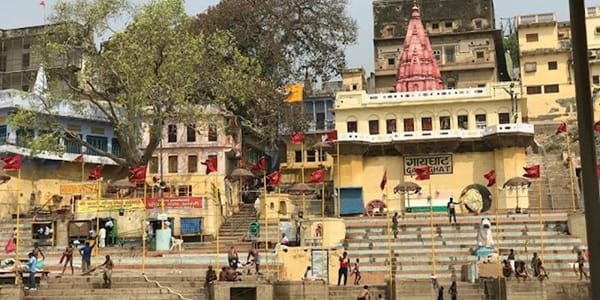
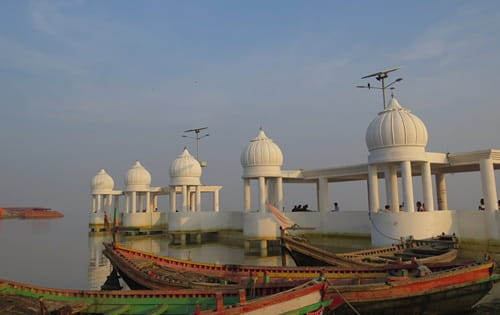
Baro Mandir Ghat Panihati is one of those old Bengal riverfront places where the Hooghly does not feel like just a river — it feels like a witness to daily life, devotion and history. The moment you reach the ghat, the scene feels naturally peaceful: temple bells from nearby shrines, people offering prayers, local residents sitting near the river, boats moving slowly, and the soft breeze coming from the Hooghly. It is not a loud tourist attraction, but it has the charm of a place that belongs deeply to the local people.
For Indian travellers, Baro Mandir Ghat matters because it gives a simple yet meaningful riverside experience near Kolkata. Panihati is already known for its Vaishnav connection, old neighbourhoods, temples and traditional Bengal culture. Baro Mandir Ghat adds another layer to that identity with its temple-side riverfront atmosphere. Whether you are planning a short spiritual visit, a peaceful evening walk, local photography, or a heritage-style outing near North Kolkata, this ghat can be a good stop. This guide explains Baro Mandir Ghat’s history, location, timings, best time to visit and practical travel tips in simple English.
Quick Overview of Baro Mandir Ghat Panihati
| Details | Information |
| Place Name | Baro Mandir Ghat Panihati |
| Location | Panihati, North 24 Parganas, West Bengal |
| River | Hooghly River |
| Famous For | Riverside views, old temple atmosphere, local rituals, peaceful ghat experience and Bengal heritage feel |
| Nearby Religious Identity | Baro Mandir area and Panihati’s old devotional culture |
| Entry Fee | Usually free for general visit |
| General Timings | Open as a public riverfront area |
| Recommended Visiting Hours | Around 5:30 AM to 8:00 PM |
| Best Time of Day | Early morning and late afternoon |
| Best Season to Visit | October to February |
| Ideal Visit Duration | 45 minutes to 1.5 hours |
| Suitable For | Families, devotees, photographers, senior citizens and peaceful travellers |
| Nearby Places | Panihati, Sodepur, Khardah, Dakshineswar, Belur Math and other Hooghly riverfront areas |
| Overall Experience | Calm, devotional, local, heritage-rich and good for a short riverside visit |
Baro Mandir Ghat History
Baro Mandir Ghat gets its identity from the old temple culture of Panihati. The name “Baro Mandir” generally means “twelve temples” in Bengali and Hindi usage. In Bengal, groups of old Shiva temples or temple clusters near riverfronts are often connected with traditional worship, local families and historic neighbourhood life. Baro Mandir Ghat carries that same old Bengal feeling.
Panihati itself has a rich religious and cultural background. The town is strongly associated with Bengal’s Vaishnav tradition and the famous Chida-Dahi Utsav connected with Nityananda Prabhu and Raghunath Das Goswami. This makes Panihati an important name for devotees who follow Gaudiya Vaishnav history. Along with Vaishnav places, the town also has old temples, ghats and riverside settlements that show how deeply religion and the Hooghly River shaped local life.
Ghats like Baro Mandir Ghat were not created only for sightseeing. In earlier times, they were important parts of daily life. People used river ghats for bathing, worship, water collection, rituals, ferry movement, social meetings and festival gatherings. The riverfront acted like an open community space.
Over time, modern roads, trains and urban growth changed the way people travel and live, but old ghats still kept their emotional and cultural importance. Baro Mandir Ghat continues to remind visitors of Bengal’s older riverside lifestyle, where temples, water, prayer and neighbourhood life existed together.
Baro Mandir Ghat Location
Baro Mandir Ghat is located in Panihati, in North 24 Parganas district of West Bengal. Panihati lies along the Hooghly River and is part of the northern suburban belt of Kolkata. It is close to well-known areas like Sodepur, Agarpara, Khardah and Barrackpore side.
The ghat is situated near the riverfront area connected with the Baro Mandir locality. Since Panihati has many local lanes and old neighbourhood stretches, first-time visitors should use a map and also confirm directions with locals.
Its location makes it useful for people living in or around North Kolkata, Sodepur, Dum Dum, Barrackpore, Khardah and nearby suburban areas. It can also be visited as part of a short heritage and riverfront trip covering Panihati, Dakshineswar, Belur Math or other Hooghly-side places.
The area around the ghat has a local atmosphere. You may find small shops, temples, local homes, riverfront steps, prayer activity and people spending quiet time near the water. It is not a commercial riverside park, so visitors should expect a simple and traditional setting.
Baro Mandir Ghat Timings
Baro Mandir Ghat is generally a public riverfront area, so it does not have strict opening and closing timings like a museum or ticketed attraction. People may visit during the day for prayer, river views, bathing rituals and peaceful sitting.
A practical visiting window is around 5:30 AM to 8:00 PM. Early morning is best for devotees and people who want a calm riverfront experience. The air is fresh, the crowd is lighter, and the Hooghly looks peaceful.
Late afternoon and early evening are also good for families and casual visitors. The sunlight becomes softer, the river breeze feels pleasant, and the ghat looks good for photography.
If you are visiting nearby temples, remember that temple timings may differ from general ghat access. Some temples may close during afternoon hours or follow special timings during festivals. Very late-night visits are not recommended for first-time visitors, especially if you are unfamiliar with the local lanes.
Best Time to Visit Baro Mandir Ghat Panihati
The best season to visit Baro Mandir Ghat is from October to February. During these months, the weather in Kolkata and its suburban areas is more comfortable for walking, sitting near the river and exploring nearby temples. Winter mornings and evenings are especially pleasant.
Early morning is the best time if you want a peaceful and devotional mood. You can see local people offering prayers, doing river rituals or simply beginning their day near the Hooghly.
Late afternoon is better if you want a relaxed family visit. The weather becomes comfortable, and the riverfront feels suitable for sitting, photography and slow walking.
Summer afternoons should be avoided because Bengal’s heat and humidity can make the experience uncomfortable. During monsoon, the river may look beautiful, but steps can become slippery and water levels may rise. Visitors should be careful near the edge during rainy days.
Why Baro Mandir Ghat Is Famous
Baro Mandir Ghat is famous for its quiet temple-side riverside atmosphere. It is not as crowded as major Kolkata ghats, which makes it attractive for people who want peace and local charm.
The ghat is also known because of its connection with Panihati’s old devotional culture. Panihati is an important town for Vaishnav tradition, and places like Baro Mandir Ghat add to its spiritual landscape.
Another reason people visit is the Hooghly River view. The river gives the ghat a calm and open feeling. For photographers and slow travellers, the combination of old temples, local life and river scenes creates a simple but beautiful experience.
Things to Do at Baro Mandir Ghat Panihati
1. Enjoy the Hooghly River View
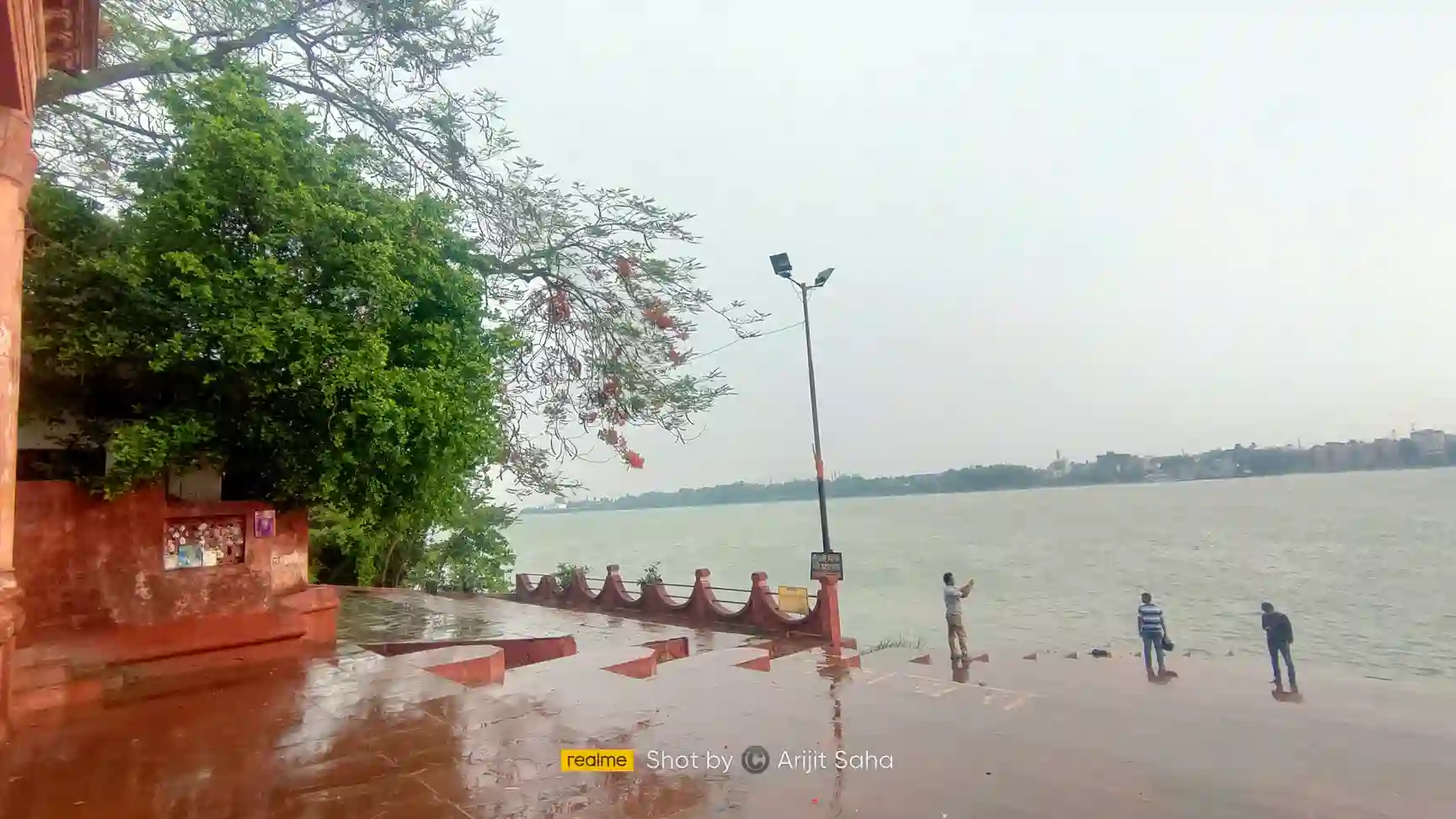
The main experience at Baro Mandir Ghat is spending quiet time near the Hooghly. Sit for a few minutes, watch the water, feel the breeze and enjoy the slower rhythm of the place.
2. Visit the Nearby Temple Area
Since the ghat is associated with the Baro Mandir locality, visitors can also explore nearby temples respectfully. It is a good place for people who enjoy old Bengal-style temple surroundings.
3. Click Local Heritage Photos
The ghat offers good frames for simple photography — river steps, temple structures, local people, boats and evening light. Always take photos respectfully and avoid disturbing people during prayer or bathing.
4. Spend a Peaceful Evening
For families and local travellers, the ghat can be a calm evening stop. It is suitable for people who want a short break without spending much money.
5. Explore Panihati’s Spiritual Side
Panihati has a strong connection with Vaishnav culture. If you have time, explore other religious and heritage places in the town to understand its deeper identity.
How to Reach Baro Mandir Ghat Panihati
Baro Mandir Ghat can be reached by train, road and local transport. Sodepur railway station is one of the commonly used access points for Panihati. From the station, visitors can take an auto-rickshaw, toto, rickshaw or local vehicle towards the Baro Mandir Ghat area.
From Kolkata, travellers can reach Panihati by suburban train, bus, cab or private vehicle. If coming by road, routes may pass through BT Road or nearby suburban roads depending on your starting point.
Because the lanes near old riverfront areas can be narrow, it is better to park at a suitable place and walk if required. During festivals or local events, traffic and crowd may increase, so keep extra time.
Nearby Places to Visit Around Baro Mandir Ghat
1. Panihati Mahotsav Area
Panihati is famous for Chida-Dahi Utsav and Vaishnav heritage. Devotees interested in Sri Chaitanya and Nityananda traditions can explore nearby religious sites.
2. Khardah
Khardah is another old riverside town nearby and is known for temples and traditional Bengal neighbourhoods.
3. Dakshineswar Kali Temple
Dakshineswar Kali Temple is one of the most famous temples near Kolkata and can be included in a longer spiritual trip.
4. Belur Math
Belur Math is a peaceful and important spiritual place on the Hooghly River and is suitable for families and devotees.
5. Sodepur
Sodepur is a major suburban point nearby and useful for transport, food and local shopping.
Baro Mandir Ghat Panihati Review
Baro Mandir Ghat Panihati is best for travellers who enjoy calm, local and heritage-style riverfront places. It does not have the grand tourist setup of famous ghats, but its simplicity is its strength. The river, temple atmosphere and old Bengal setting make it peaceful and meaningful.
Visitors who expect a highly developed tourist attraction may find it basic. Facilities can be limited, and cleanliness may vary depending on the day and local activity. But for people who like authentic riverside places, Baro Mandir Ghat gives a refreshing and grounded experience.
Overall, it is a good short-visit destination for devotees, local travellers, photographers and anyone exploring the Hooghly river belt near Kolkata.
Useful Travel Tips for Baro Mandir Ghat Panihati
- Visit early morning for peace and fresh river views.
- Choose late afternoon if you want soft light and a relaxed atmosphere.
- Confirm local temple timings if your visit is mainly for worship.
- Wear comfortable footwear because walking through lanes may be required.
- Be careful on wet or uneven ghat steps.
- Avoid going too close to the river during monsoon or high-water conditions.
- Keep children close near the water.
- Carry cash for small local expenses.
- Do not throw plastic, flowers or food waste into the Hooghly River.
- Ask locals politely for directions because old riverfront lanes can be confusing.
FAQs
Q1. Where is Baro Mandir Ghat located?
Baro Mandir Ghat is located in Panihati, North 24 Parganas, West Bengal, on the banks of the Hooghly River. It is close to Sodepur and other northern suburban areas of Kolkata.
Q2. Why is Baro Mandir Ghat famous?
Baro Mandir Ghat is famous for its peaceful Hooghly riverfront, old temple-side atmosphere and connection with Panihati’s devotional and heritage culture. It is a good place for a quiet riverside visit.
Q3. What is the best time to visit Baro Mandir Ghat?
The best time to visit Baro Mandir Ghat is early morning or late afternoon. October to February is the most comfortable season because the weather is pleasant for walking, prayer and photography.
Q4. Is there any entry fee for Baro Mandir Ghat Panihati?
No, there is usually no entry fee for visiting Baro Mandir Ghat. It is a public riverfront area. However, local transport, parking, offerings, snacks or nearby services may have separate charges.