Bhor Ghat Maharashtra is one of those legendary travel stretches where the journey between Mumbai and Pune suddenly becomes dramatic. The road starts climbing through the Sahyadri hills, the valleys drop deep on one side, trains appear between tunnels, clouds move close during monsoon, and the whole route feels like a powerful mix of engineering, nature and history. For many Indians, especially people from Mumbai, Pune and nearby cities, Bhor Ghat is not just a mountain pass; it is a familiar memory of weekend trips, rain drives, hill-station plans and long highway journeys.
What makes Bhor Ghat special is its importance as both a scenic route and a historic connector. It has linked the Konkan coast with the Deccan plateau for centuries and remains one of the most important passes in Maharashtra. Travellers experience it while moving towards Khandala, Lonavala, Pune, Mumbai or the Mumbai-Pune Expressway region. But because it is a busy ghat section with fast vehicles, slopes, curves, fog, rain and heavy traffic during weekends, it should be enjoyed with planning and caution. This guide explains Bhor Ghat’s history, location, timings, best time to visit and practical travel tips in simple English.
Quick Overview of Bhor Ghat Maharashtra
| Details | Information |
| Place Name | Bhor Ghat Maharashtra |
| Also Known As | Bhore Ghat / Khandala Ghat section |
| Location | Between the Konkan side near Karjat-Khopoli and the Deccan side near Khandala-Lonavala |
| Region | Sahyadri / Western Ghats, Maharashtra |
| Famous For | Historic mountain pass, Mumbai-Pune route, railway tunnels, valley views, monsoon mist and scenic drive |
| Route Importance | Connects Mumbai region with Pune and the Deccan plateau |
| Entry Fee | No general entry fee for the ghat road |
| General Timings | Open as a public road and railway route, depending on traffic and safety conditions |
| Recommended Visiting Hours | Around 6:00 AM to 6:30 PM for sightseeing |
| Best Time of Day | Morning and late afternoon |
| Best Season to Visit | June to February |
| Most Beautiful Time | Monsoon and post-monsoon |
| Ideal Visit Duration | 1 to 3 hours, depending on stops and route plan |
| Suitable For | Road trippers, bikers, railway lovers, photographers, families and nature travellers |
| Nearby Places | Khandala, Lonavala, Duke’s Nose, Rajmachi Point, Karjat, Khopoli and Bhaja-Karla Caves |
| Overall Experience | Scenic, historic, busy, misty and best enjoyed with careful driving |
Bhor Ghat Maharashtra History
Bhor Ghat has played a major role in Maharashtra’s travel and transport history. For a long time, the Sahyadri hills created a natural barrier between the coastal Konkan region and the inland Deccan plateau. Passes like Bhor Ghat became extremely important because they allowed people, goods, traders, armies and travellers to move between these two regions.
In older times, the route helped connect the port-side areas around Mumbai with inland settlements. Trade, agricultural goods, local movement and administrative travel depended heavily on such ghat passes. Because of its strategic position, Bhor Ghat was never just a scenic road; it was a practical and powerful connection between two different landscapes.
The ghat became even more important during the British period when road and railway development increased between Bombay and Pune. Building a railway through this steep mountain section was a major engineering challenge. The Bhor Ghat railway incline, with tunnels, bridges and sharp gradients, became one of the most important railway achievements of its time. Even today, train journeys through this section are admired by railway lovers for their dramatic mountain views.
Over time, the old route expanded with highways and later the Mumbai-Pune Expressway. Today, Bhor Ghat remains one of the busiest and most important transport corridors in western India, while still attracting travellers for its natural beauty.
Bhor Ghat Maharashtra Location
Bhor Ghat is located in Maharashtra’s Western Ghats, mainly between the Konkan side near Karjat-Khopoli and the higher plateau side near Khandala-Lonavala. It forms an important part of the Mumbai-Pune travel corridor.
Many people experience Bhor Ghat while travelling on the Mumbai-Pune Expressway or the old Mumbai-Pune highway. The ghat section climbs from the lower Konkan region towards the hill-station belt of Khandala and Lonavala. This is why Bhor Ghat is often associated with Khandala Ghat in common travel language.
The location is extremely convenient for weekend travellers. From Mumbai, the ghat comes on the way to Lonavala and Pune. From Pune, it is crossed while travelling towards Mumbai, Karjat or the Konkan side. Because of this easy access, Bhor Ghat is one of the most frequently travelled mountain passes in Maharashtra.
Bhor Ghat Timings
Bhor Ghat is not a ticketed tourist attraction, so it does not have fixed opening and closing timings. It is a public road and railway route used throughout the day and night. However, if you are visiting for views, photography or a relaxed drive, daylight hours are strongly recommended.
A practical sightseeing window is around 6:00 AM to 6:30 PM. Morning is best because visibility is better, the air is fresh, and traffic may be more manageable if you start early. Late afternoon can also be beautiful, especially in winter and post-monsoon months.
Night travel is possible because this is a major transport route, but it is not ideal for casual sightseeing. The road can have fast vehicles, heavy trucks, sharp curves, fog and sudden rain during monsoon. On the Mumbai-Pune Expressway, random stopping is unsafe and not allowed at many points, so travellers should only stop at designated and safe areas.
Best Time to Visit Bhor Ghat Maharashtra
The best time to visit Bhor Ghat is from June to February. The route is beautiful in different ways across these months, but monsoon and post-monsoon are the most popular.
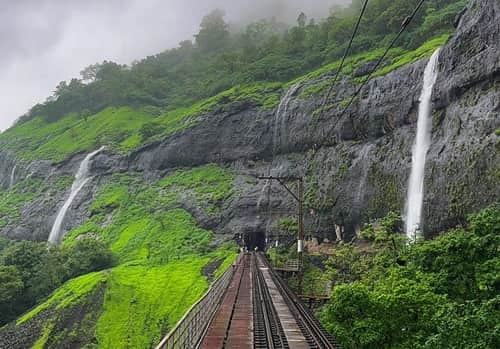
June to September is the most dramatic season. The hills turn green, waterfalls appear on rocky slopes, and clouds cover the valleys. The entire ghat looks fresh and cinematic. This is the favourite time for photographers and monsoon travellers. However, rain also brings fog, slippery roads and traffic jams, so safe driving is very important.
October to February is the best period for families and relaxed travellers. The greenery remains pleasant after monsoon, the weather is cooler, and visibility is usually better. This season is ideal for stopping at nearby viewpoints, exploring Lonavala-Khandala and enjoying the route without heavy rain disturbance.
Summer is less preferred because the hills may look drier and afternoons can be hot. Still, early morning drives can be enjoyable if you are travelling between Mumbai and Pune.
Why Bhor Ghat Is Famous
Bhor Ghat is famous for being one of the most important mountain passes in Maharashtra. It connects Mumbai with Pune and the Deccan plateau, making it a key route for both road and rail travel.
It is also famous for its railway history. The Mumbai-Pune railway section through Bhor Ghat is known for its tunnels, steep gradients and scenic views. Many train lovers enjoy this route because it shows how railway engineering adapted to the difficult Sahyadri terrain.
For tourists, Bhor Ghat is famous for monsoon scenery, valley views, mist, waterfalls and its closeness to Khandala and Lonavala. The route has become part of Maharashtra’s travel culture, especially for weekend trips from Mumbai and Pune.
Things to Do at Bhor Ghat Maharashtra
1. Enjoy the Scenic Drive
The best experience of Bhor Ghat is the drive itself. The changing landscape, hill curves, tunnels and valley views make the journey exciting. Keep speed controlled and avoid sudden lane changes.
2. Watch Monsoon Views
During rainy season, the ghat becomes extremely beautiful. Waterfalls, clouds and greenery create a perfect monsoon mood. Avoid stopping at unsafe places or standing close to slippery edges.
3. Visit Khandala and Lonavala
Khandala and Lonavala are the most popular nearby hill stations. You can include viewpoints, chikki shops, cafes, dams and short nature stops in your plan.
4. See the Railway Route
If you enjoy train journeys, the Bhor Ghat rail section is a memorable experience. The tunnels and hill views make the Mumbai-Pune train journey special.
5. Explore Nearby Viewpoints
Rajmachi Point, Duke’s Nose and other Khandala-Lonavala viewpoints can be included if you want scenic photos and valley views.
How to Reach Bhor Ghat Maharashtra
Bhor Ghat is best reached by road or train. From Mumbai, travellers can take the route towards Khopoli, Khandala and Lonavala through the Mumbai-Pune Expressway or old Mumbai-Pune highway. From Pune, the route is easily accessible while travelling towards Lonavala, Khandala or Mumbai.
By train, the Mumbai-Pune railway route passes through the famous ghat section. Lonavala and Khandala railway stations are useful for travellers who want to explore the nearby hill-station region.
Private cars and bikes are convenient, but weekend traffic can be heavy. If you are planning a monsoon trip, start early and keep extra time for traffic, fog and slow movement.
Nearby Places to Visit Around Bhor Ghat
1. Khandala
Khandala is closely connected with Bhor Ghat and is known for valley views, cool weather and monsoon scenery.
2. Lonavala
Lonavala is one of Maharashtra’s most popular hill stations, famous for chikki, viewpoints, dams and weekend stays.
3. Duke’s Nose
Duke’s Nose is a famous viewpoint and trekking spot near Khandala. It offers wide views of the valley and surrounding hills.
4. Rajmachi Point
Rajmachi Point is a popular stop for photography and valley views, especially during monsoon and winter.
5. Karla and Bhaja Caves
These ancient rock-cut caves near Lonavala are good for travellers interested in history, architecture and Buddhist heritage.
Bhor Ghat Maharashtra Review
Bhor Ghat Maharashtra is best for people who love scenic journeys, hill roads and historic travel routes. It is not a quiet hidden spot because it is one of the busiest routes in the state, but its beauty and importance make it unforgettable.
The ghat is especially enjoyable during monsoon and winter. However, visitors should remember that this is a major transport corridor, not a casual picnic road. Safety, traffic rules and responsible stopping are very important.
Overall, Bhor Ghat is a must-experience route for anyone travelling between Mumbai and Pune, especially if they enjoy hills, history, railways and monsoon landscapes.
Useful Travel Tips for Bhor Ghat Maharashtra
- Start early to avoid heavy traffic, especially on weekends.
- Do not stop randomly on the Mumbai-Pune Expressway.
- Use only safe and permitted stopping areas for photos.
- Drive slowly during rain, fog or low visibility.
- Keep headlights on during misty weather.
- Avoid risky selfies near valley edges or road curves.
- Check traffic updates during monsoon weekends and holidays.
- Keep enough fuel before entering long travel stretches.
- Carry water, snacks and basic medicines if travelling with family.
- Avoid littering near viewpoints or roadside areas.
FAQs
Q1. Where is Bhor Ghat located?
Bhor Ghat is located in Maharashtra’s Western Ghats, between the Konkan side near Karjat-Khopoli and the Khandala-Lonavala side. It is part of the important Mumbai-Pune travel route.
Q2. What is the best time to visit Bhor Ghat?
The best time to visit Bhor Ghat is from June to February. Monsoon is best for waterfalls, mist and greenery, while October to February is better for safer family travel and clearer views.
Q3. Is Bhor Ghat the same as Khandala Ghat?
Bhor Ghat and Khandala Ghat are closely connected in common travel usage. Bhor Ghat is the historic mountain pass, while Khandala is one of the main hill-station points on the upper side of the same route.
Q4. Is there any entry fee for Bhor Ghat Maharashtra?
No, there is usually no entry fee for Bhor Ghat because it is a public road and railway route. However, nearby viewpoints, parking, food stops, tourist attractions or tolls on travel routes may have separate charges.