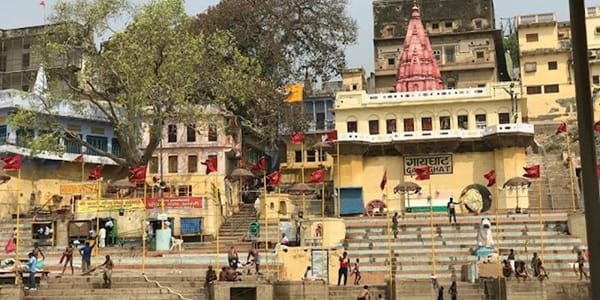
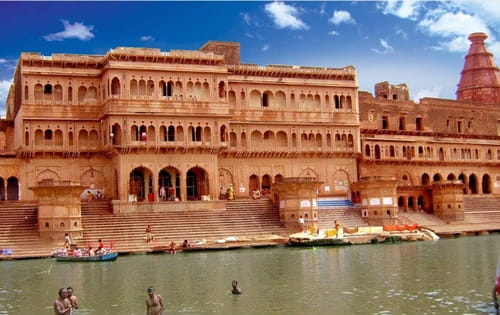
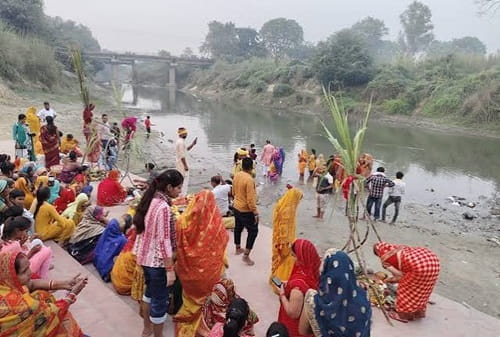
Goda Ghat in Nashik is one of those places where the city’s spiritual heart can be felt without needing any explanation. The Godavari flows gently through the old city, temple bells echo from nearby lanes, devotees offer prayers, families come for rituals, and pilgrims sit quietly near the river with a sense of faith and peace. For many people in Maharashtra, Nashik is not only a wine city or a weekend destination; it is also a sacred city deeply connected with the Ramayana, Kumbh Mela and the holy Godavari River.
For Indian travellers, Goda Ghat matters because it gives a complete Nashik experience in one place. You can see devotion, history, old temples, local markets, ritual life and riverfront culture together. Whether you are visiting for darshan, pind daan, asthi visarjan, photography, family travel or a peaceful walk, Goda Ghat is one of the most important areas to explore. It is especially useful for travellers visiting Panchavati, Ramkund, Kalaram Temple and other sacred spots of Nashik.
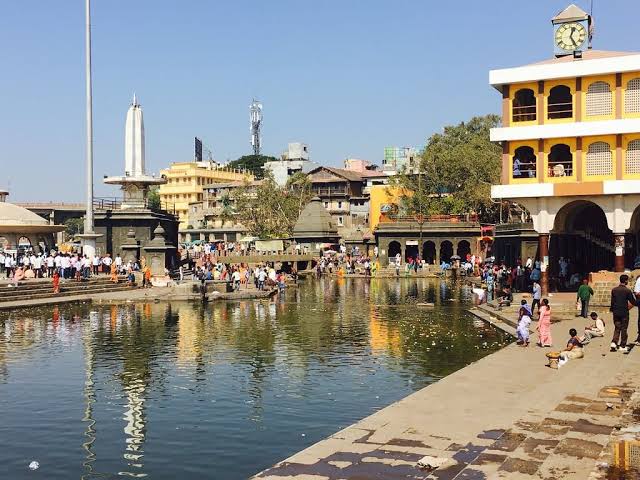
Quick Overview of Goda Ghat Nashik
| Details | Information |
| Place Name | Goda Ghat |
| Location | Nashik, Maharashtra |
| River | Godavari River |
| Popular Area | Panchavati / Ramkund side |
| Famous For | Godavari darshan, Ramkund, rituals, temples, Kumbh Mela importance and old Nashik atmosphere |
| Type of Place | Public religious ghat and heritage riverfront |
| Entry Fee | Usually free for general visit |
| General Timings | Open public riverfront area |
| Recommended Visiting Hours | Around 5:30 AM to 8:30 PM |
| Best Time of Day | Early morning and evening |
| Best Season to Visit | October to February |
| Most Crowded Time | Kumbh Mela, Ram Navami, Mahashivratri, Amavasya, Purnima and festival days |
| Ideal Visit Duration | 1 to 2 hours |
| Suitable For | Devotees, families, senior citizens, photographers, history lovers and spiritual travellers |
| Nearby Places | Ramkund, Kalaram Temple, Sita Gufa, Kapaleshwar Temple, Panchavati and local markets |
| Overall Experience | Sacred, historic, lively, devotional and deeply connected with Nashik’s identity |
Goda Ghat History
Goda Ghat’s history is closely connected with the Godavari River and the sacred identity of Nashik. The Godavari is often called Dakshin Ganga, or the Ganga of the South, because of its religious importance. Nashik grew around this holy river, and the ghats became important places for bathing, prayer, rituals and pilgrim gatherings.
The name “Goda Ghat” comes from the local way of referring to the Godavari River as “Goda.” For Nashik residents, Goda is not just a river; it is part of daily life, religious memory and city culture. The ghats along the river have been used for generations by devotees, priests, saints, families and travellers.
The area around Goda Ghat is strongly linked with the Ramayana. Nashik’s Panchavati region is believed to be the place where Lord Ram, Mata Sita and Lakshman spent time during their exile. This connection makes the riverfront deeply sacred for devotees. Many temples and religious sites nearby keep this tradition alive.
Ramkund, located in the Goda Ghat area, is one of the most important sacred tanks in Nashik. Devotees believe that Lord Ram bathed here during his stay in Panchavati. Because of this belief, Ramkund became an important place for holy bathing and ancestor-related rituals.
Goda Ghat also has a strong connection with the Nashik Kumbh Mela, also known as Simhastha Kumbh. Nashik is one of the four major Kumbh Mela cities in India, and the Godavari ghats become extremely important during this event. Millions of devotees gather for the holy bath, making the riverfront one of the most spiritually active places in the country during the mela period.
Goda Ghat Location
Goda Ghat is located in Nashik city, Maharashtra, along the banks of the Godavari River. It is mainly associated with the Panchavati and Ramkund area, which is one of the most sacred and visited parts of old Nashik.
The location is convenient because many important temples and religious sites are nearby. Kalaram Temple, Kapaleshwar Temple, Sita Gufa and several small shrines are located within easy reach. This makes Goda Ghat a natural starting point for a spiritual walk in Nashik.
The area around the ghat is lively and traditional. You will find flower sellers, puja shops, priests, pilgrims, local food stalls, temple lanes and people performing rituals near the river. It is not a quiet hidden riverbank; it is an active religious and cultural space.
Visitors can reach Goda Ghat by auto-rickshaw, cab, private vehicle or local transport from different parts of Nashik. If you are staying near Panchavati or the old city, walking may also be possible depending on your hotel location.
Goda Ghat Timings
Goda Ghat is a public riverfront area, so it does not have strict opening and closing timings like a museum or ticketed monument. People may visit throughout the day for Godavari darshan, puja, rituals, photography and peaceful sitting.
A practical visiting window is around 5:30 AM to 8:30 PM. Early morning is best for devotees who want a peaceful atmosphere for snan, prayer or darshan. The riverfront feels calmer, the weather is pleasant, and temple activity begins slowly.
Evening is also a beautiful time to visit. The lights near the temples, the sound of prayers and the activity around the river create a devotional mood. Families and travellers often prefer this time for a relaxed visit.
Very late-night visits are not recommended for first-time travellers or families. Some lanes may become quiet, and riverfront steps can be slippery or uneven. During major festivals, timings and crowd movement may change according to local arrangements.
Best Time to Visit Goda Ghat Nashik
The best season to visit Goda Ghat is from October to February. During these months, Nashik’s weather is more comfortable for walking, temple visits and spending time near the river. Winter mornings and evenings feel pleasant, making the visit easier for families and senior citizens.
Early morning is the best time if your purpose is spiritual. You can take Godavari darshan, visit nearby temples and observe the local ritual atmosphere without too much rush.
Late afternoon and evening are better for photography and casual visits. The old buildings, river steps, temple surroundings and local life create a beautiful setting.
Monsoon gives Nashik a fresh and green look, but the river flow may increase and steps can become slippery. Visitors should be careful near the water during rainy months. Summer afternoons should be avoided because the heat can make walking uncomfortable.
If you want to experience the religious energy of Nashik, festival days are powerful, but they also bring heavy crowds. Kumbh Mela years, Ram Navami, Mahashivratri and important bathing dates attract large numbers of devotees.
Why Goda Ghat Is Famous
Goda Ghat is famous for its connection with the Godavari River, Ramkund and Nashik’s sacred Panchavati area. It is one of the most important religious riverfronts in Maharashtra.
The ghat is also famous for rituals like pind daan, asthi visarjan and family pujas. Many people come here to pray for ancestors and perform traditional ceremonies.
Another reason for its popularity is the Nashik Kumbh Mela. During Simhastha, the Godavari ghats become the centre of massive religious gatherings.
For travellers, Goda Ghat is also famous because it gives an authentic old-Nashik experience. Temples, markets, river steps and local life all come together here.
Things to Do at Goda Ghat
1. Take Godavari Darshan
Sit near the river and spend a few quiet minutes watching the Godavari. The experience feels peaceful, especially in the morning.
2. Visit Ramkund
Ramkund is one of the most important places near Goda Ghat. Many devotees take darshan here and perform rituals.
3. Explore Kalaram Temple
Kalaram Temple is one of Nashik’s most famous temples and is close to the ghat area. It is a must-visit during a Panchavati trip.
4. Offer Puja and Rituals
If you want to perform pind daan, asthi visarjan or other rituals, speak clearly with a local priest about the process and charges before starting.
5. Walk Through Panchavati
The lanes around Goda Ghat are full of temples, shops and old-city character. A slow walk gives you a better feel of Nashik’s spiritual side.
6. Try Local Snacks
After darshan, you can explore nearby local food shops. Nashik’s old-city areas offer simple snacks, sweets and tea stalls.
How to Reach Goda Ghat
Goda Ghat is easy to reach from different parts of Nashik. From Nashik Road railway station, you can take an auto-rickshaw, cab or bus towards Panchavati or Ramkund. Travel time depends on traffic.
From central Nashik, local autos and cabs are easily available. If you are coming by private vehicle, check parking options in advance because the old city can become crowded, especially during festivals and weekends.
From Mumbai or Pune, Nashik can be reached by road, train or bus. After reaching Nashik, Goda Ghat can be included in a half-day local sightseeing plan with Panchavati temples.
Nearby Places to Visit Around Goda Ghat
1. Ramkund
A sacred bathing and ritual point connected with Lord Ram and ancestor prayers.
2. Kalaram Temple
A famous temple dedicated to Lord Ram, known for its black stone idol and historic importance.
3. Sita Gufa
A small cave-like religious place associated with Mata Sita and the Ramayana tradition.
4. Kapaleshwar Temple
An important Shiva temple near the Godavari riverfront.
5. Panchavati
A sacred area linked with Lord Ram’s exile period and home to several temples and religious spots.
Goda Ghat Review
Goda Ghat is best for people who want to understand Nashik’s real spiritual identity. It is not only a place for sightseeing; it is a living religious riverfront where people come with faith, emotions and family traditions.
The ghat can be crowded and facilities may vary depending on the day. Cleanliness also depends on crowd levels and public behaviour. Still, the atmosphere, history and religious importance make Goda Ghat one of the most meaningful places to visit in Nashik.
Useful Travel Tips for Goda Ghat
- Visit early morning for peace and better darshan.
- Wear comfortable footwear because walking is required.
- Be careful on wet or uneven steps near the river.
- Keep children and senior citizens close near the water.
- Confirm ritual charges before starting any puja.
- Avoid throwing plastic, flowers or food waste into the Godavari.
- Keep your belongings safe in crowded lanes.
- Visit between October and February for the best weather.
- Avoid peak afternoon heat in summer.
- Start early during festivals and important bathing days.
FAQs
Q1. Where is Goda Ghat located in Nashik?
Goda Ghat is located in Nashik, Maharashtra, along the Godavari River, mainly around the Panchavati and Ramkund area. It is close to several important temples and old-city religious places.
Q2. Why is Goda Ghat famous?
Goda Ghat is famous for Godavari darshan, Ramkund, ancestor rituals, Kumbh Mela importance, Panchavati temples and its strong connection with Lord Ram’s tradition in Nashik.
Q3. What is the best time to visit Goda Ghat?
The best time to visit Goda Ghat is early morning or evening. October to February is the most comfortable season for temple visits, walking and spending time near the river.
Q4. Is there any entry fee for Goda Ghat Nashik?
No, there is usually no entry fee for visiting Goda Ghat. However, puja services, offerings, local transport, parking, food and personal expenses may have separate charges.